
Why in news?
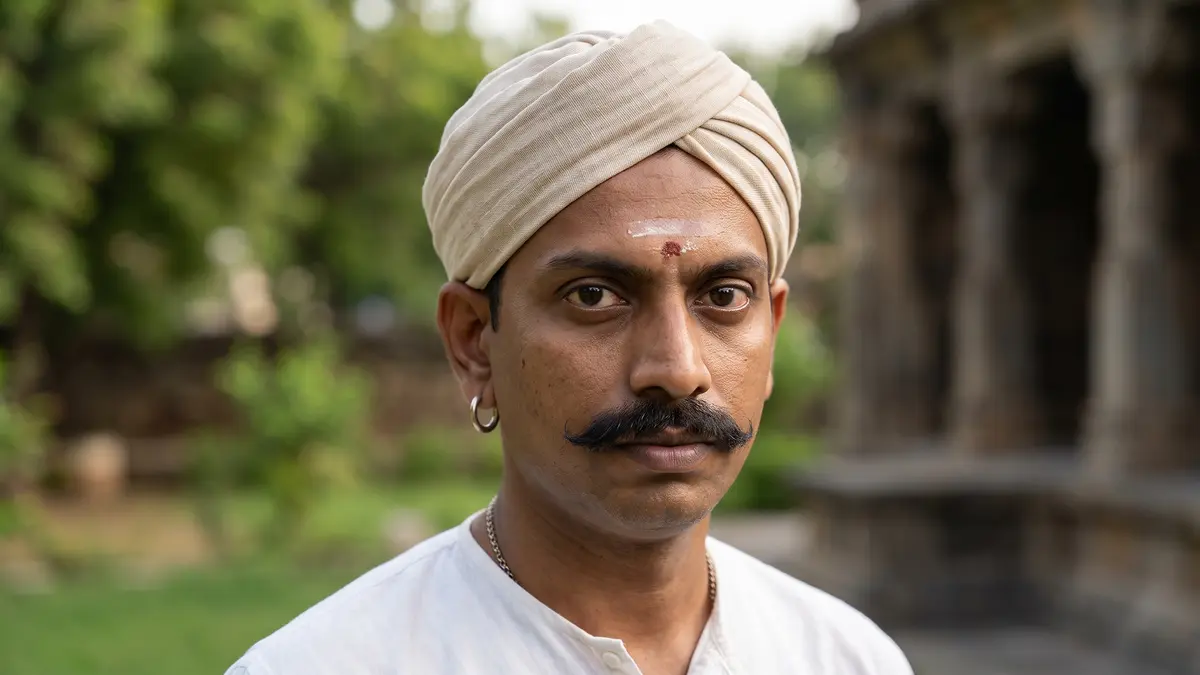
Prime Minister Narendra Modi paid tribute to Mangal Pandey on 19 July 2026. His 199th birth anniversary recalled how the Barrackpore action preceded the wider Revolt of 1857. He remains an important symbol of resistance to Company rule.
Background
Mangal Pandey was born on 19 July 1827, probably at Nagwa in present-day Ballia district.
Although early-life accounts differ, Pandey joined the Company’s Bengal Army in 1849.
He served in the 34th Bengal Native Infantry as a sepoy under European officers.
The East India Company governed large areas through armies containing Indian soldiers under British command.
The 34th regiment belonged to the Bengal Presidency Army, one of three Company presidency forces.
Bombay and Madras presidency armies experienced much less rebellion than the Bengal Army during 1857.
Recruitment patterns, service conditions and regional grievances helped create this unequal military geography.
Why was discontent growing before 1857?
The revolt had no single cause; political, economic, military and religious fears accumulated over time.
Political causes
- The Company annexed Indian states through war and administrative policies.
- The Doctrine of Lapse denied succession through adopted heirs.
- Awadh’s annexation in 1856 angered rulers, landholders and soldiers.
- Many families feared the loss of status and traditional authority.
Economic and social causes
- Heavy revenue demands placed pressure on peasants and landholders.
- Artisans faced economic disruption from imported manufactured goods.
- Administrative changes weakened several older local patronage and employment networks.
- Missionary activity created fears of forced religious conversion.
- Social reforms were sometimes misunderstood as attacks on established customs.
Military causes
- Indian soldiers received lower pay than European soldiers.
- They had fewer promotion opportunities within Company armies.
- Overseas service threatened religious and caste practices for some soldiers.
- Allowances and service conditions became repeated sources of grievance.
- Racial discrimination deepened resentment against British officers and commanders.
What was the cartridge controversy?
The Company’s Pattern 1853 Enfield rifle-musket required soldiers to bite open prepared paper cartridges.
A widespread belief said the grease contained cow and pig fat.
Cow fat offended many Hindu soldiers, while pig fat offended many Muslim soldiers.
The issue threatened faith and personal honour, while Company assurances failed after trust collapsed.
Historical care: The soldiers’ belief and resulting fear are firmly documented. Sources differ about grease composition across every cartridge supply. The controversy mattered because soldiers believed their religious practices faced deliberate attack.
What happened before Barrackpore?
Cartridge fears spread quickly, and Berhampore soldiers refused a drill on 26 February 1857.
They belonged to the 19th Bengal Native Infantry, which the Company later disbanded.
These events formed the immediate setting for Pandey’s action.
What happened on 29 March 1857?
- Mangal Pandey appeared armed at the Barrackpore parade ground.
- He called upon other Indian soldiers to resist.
- He fired at British officer Lieutenant Henry Baugh.
- Baugh’s horse was hit, and close fighting followed.
- Most soldiers present did not actively join Pandey.
- Company personnel eventually arrested him after the confrontation.
The event challenged British authority and showed how deeply cartridge fears had entered the army.
A military court sentenced Pandey to death, and he was hanged on 8 April 1857.
Pandey was 29, and the Company disbanded his regiment on 6 May.
How did the wider revolt unfold?
The larger uprising began at Meerut on 10 May, before rebels reached Delhi the next day.
They accepted Bahadur Shah II symbolically, and rebellion spread across northern and central India.
Major centres included Delhi, Kanpur, Lucknow, Jhansi and Bareilly.
Prominent leaders included Lakshmibai, Nana Sahib, Begum Hazrat Mahal and Bihar’s Kunwar Singh.
Regional aims differed, and large parts of southern, eastern and western India avoided sustained rebellion.
Chronology matters: Pandey’s action came six weeks before the Meerut uprising. It became a resistance symbol and a warning to Company authorities. However, one incident did not create the entire revolt. Deeper grievances and many regional actors shaped the wider rebellion.
Why does the event have different names?
| Name | What it emphasises |
|---|---|
| Sepoy Mutiny | Military rebellion by Indian soldiers. |
| Revolt or Rebellion of 1857 | Military and civilian participation across several regions. |
| First War of Independence | Anti-colonial resistance and later nationalist memory. |
No label covers every participant equally, so historians study local causes alongside wider anti-colonial resistance.
What changed after the revolt?
- After suppression, the Government of India Act, 1858 transferred Company authority to the Crown.
- A British Secretary of State supervised India, while the Governor-General became Viceroy.
- Queen Victoria’s Proclamation promised non-interference in religious matters.
- The British reorganised the army and treated princely states more cautiously.
The 1 November 1858 proclamation promised equality and religious neutrality, but implementation remained uneven.
The revolt removed Company rule but did not create an independent Indian state in 1858.
British Crown rule continued until India became independent on 15 August 1947.
Why is Mangal Pandey remembered?
Pandey acted before rebellion became widespread, and his execution made him an early resistance symbol.
Later nationalist writing connected his individual act with a larger patriotic turning point.
Careful study still separates remembrance from uncertain biographical details.
Conclusion
Mangal Pandey’s action symbolised resistance, while the wider revolt arose from many accumulated grievances.