
Why in news?
An international research team has mapped the global distribution of arbuscular mycorrhizal fungi. The study estimates the scale and carbon‑sequestration capacity of these underground networks and highlights areas where they are most abundant.
Background
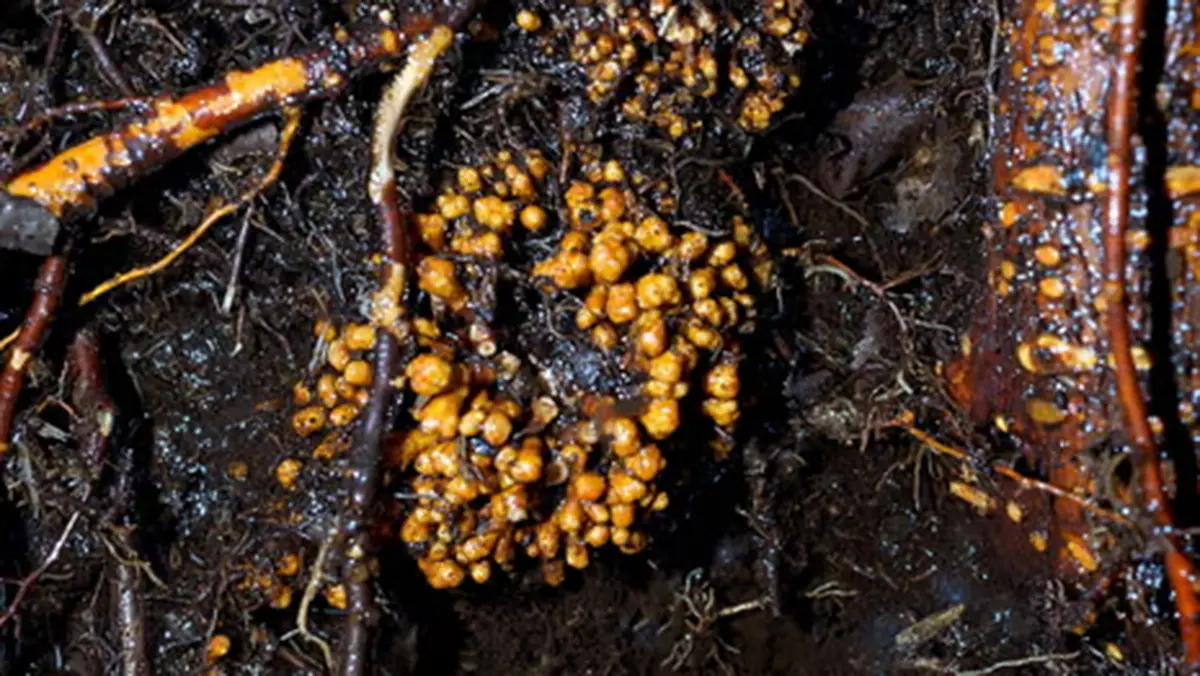
Arbuscular mycorrhizal fungi form symbiotic relationships with the roots of most land plants. The fungi extend slender filaments into the soil, increasing a plant’s ability to absorb water and nutrients, particularly phosphorus. In return the plant supplies the fungi with carbohydrates. These networks are ancient and widespread, forming a hidden web that supports terrestrial life.
The new map was created by analysing soil samples from around 16,000 locations. Researchers estimate that the total length of arbuscular mycorrhizal networks is about 110 quadrillion kilometres—almost a billion times the distance between Earth and the Sun. The networks are thought to contain around 300 megatonnes of carbon and facilitate the transfer of roughly four billion tonnes of carbon dioxide equivalent into soils each year. Grasslands host about 40 percent of this living infrastructure, whereas croplands show roughly a fifty percent reduction in network density compared with wild ecosystems.
Key points
- Arbuscular mycorrhizal fungi enlarge the root foraging area of plants by about one hundred times.
- They provide more than eighty percent of many plants’ phosphorus requirements.
- The networks sequester carbon, contributing to climate regulation and soil health.
- Hotspots of fungal diversity are mostly located outside protected areas, underscoring the need for conservation.
- Agricultural lands show a significant decline in network density, highlighting the impact of intensive farming.
Conclusion
The mapping of subterranean fungal networks reveals their vast scale and critical ecological functions. Protecting these networks through sustainable land management can enhance soil fertility, support biodiversity and contribute to climate mitigation.