
Why in news?
Health authorities in England reported a meningitis outbreak after one university student died and two others fell seriously ill around the Home Counties near Reading and Oxfordshire. The UK Health Security Agency stated that the risk to the general public remains low but is tracing contacts and providing preventive antibiotics to those exposed. The incident has raised awareness about this potentially life‑threatening disease.
Background
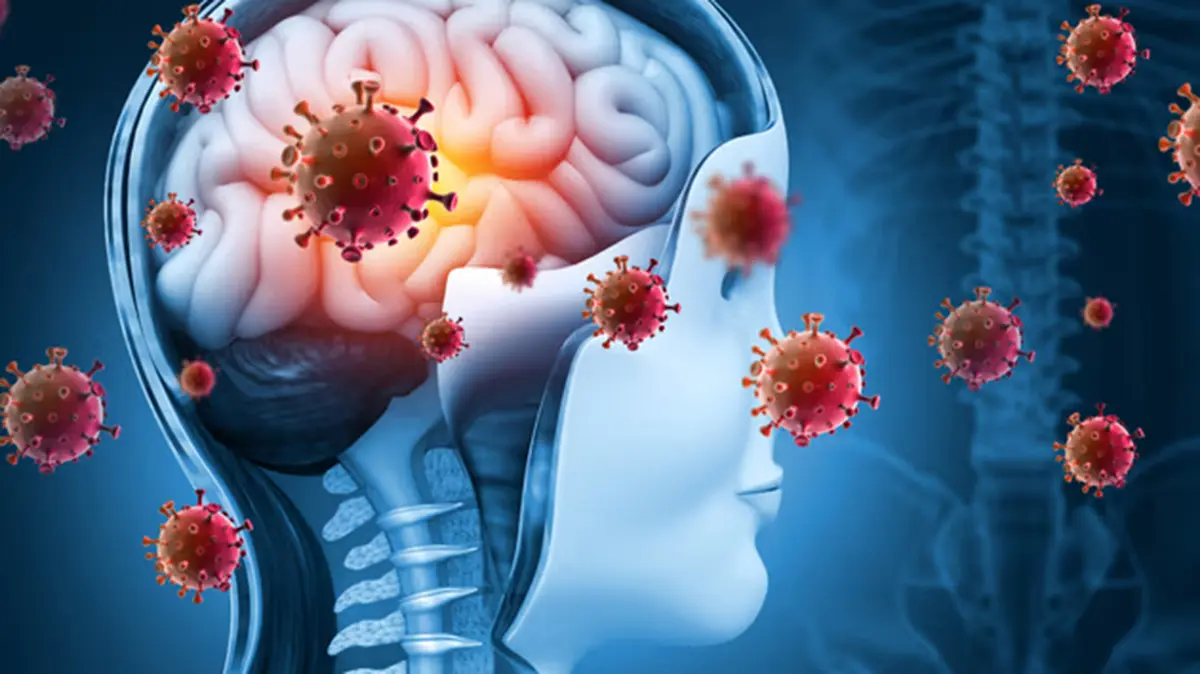
Meningitis is an inflammation of the membranes (meninges) that surround the brain and spinal cord. It can be caused by bacteria, viruses or, rarely, fungi. Bacterial meningitis, particularly from Neisseria meningitidis, is the most severe form and can lead to death or permanent disability within hours if untreated. The disease spreads through close contact such as coughing, kissing or sharing utensils. Teenagers and university students are at higher risk because they often live in close quarters and may not be fully vaccinated.
Key facts about meningitis
- Symptoms: Early signs include fever, headache, stiff neck, sensitivity to light, confusion and sometimes a rash. Symptoms can resemble flu or a hangover, making early diagnosis challenging.
- Transmission: The bacteria are carried in the nose and throat and spread through respiratory droplets or saliva. Most carriers never develop symptoms but can infect others.
- Prevention: Vaccination is the best protection. In the UK, teenagers receive the MenACWY vaccine, and some are eligible for the MenB vaccine. Good hygiene, prompt treatment and prophylactic antibiotics for close contacts also reduce risk.
- High‑risk groups: Babies, young children, teenagers, university students and people with weakened immune systems are most vulnerable. Quick medical attention is critical because the disease can progress rapidly.
Conclusion
The outbreak in England serves as a reminder of the importance of vaccination and awareness. Recognising symptoms early and seeking medical help can save lives, while vaccination programmes remain essential to protect young people.

