

Why in news?
An early sixteenth‑century drawing attributed to Michelangelo has been sold for £16.9 million (around ₹206 crore), setting a record for a work on paper by the Italian master. The small sketch depicts a male foot, believed to be a preparatory study for the Libyan Sibyl on the Sistine Chapel ceiling. The auction attracted global attention because the drawing had remained in a private collection for centuries and only recently came to light.
Background
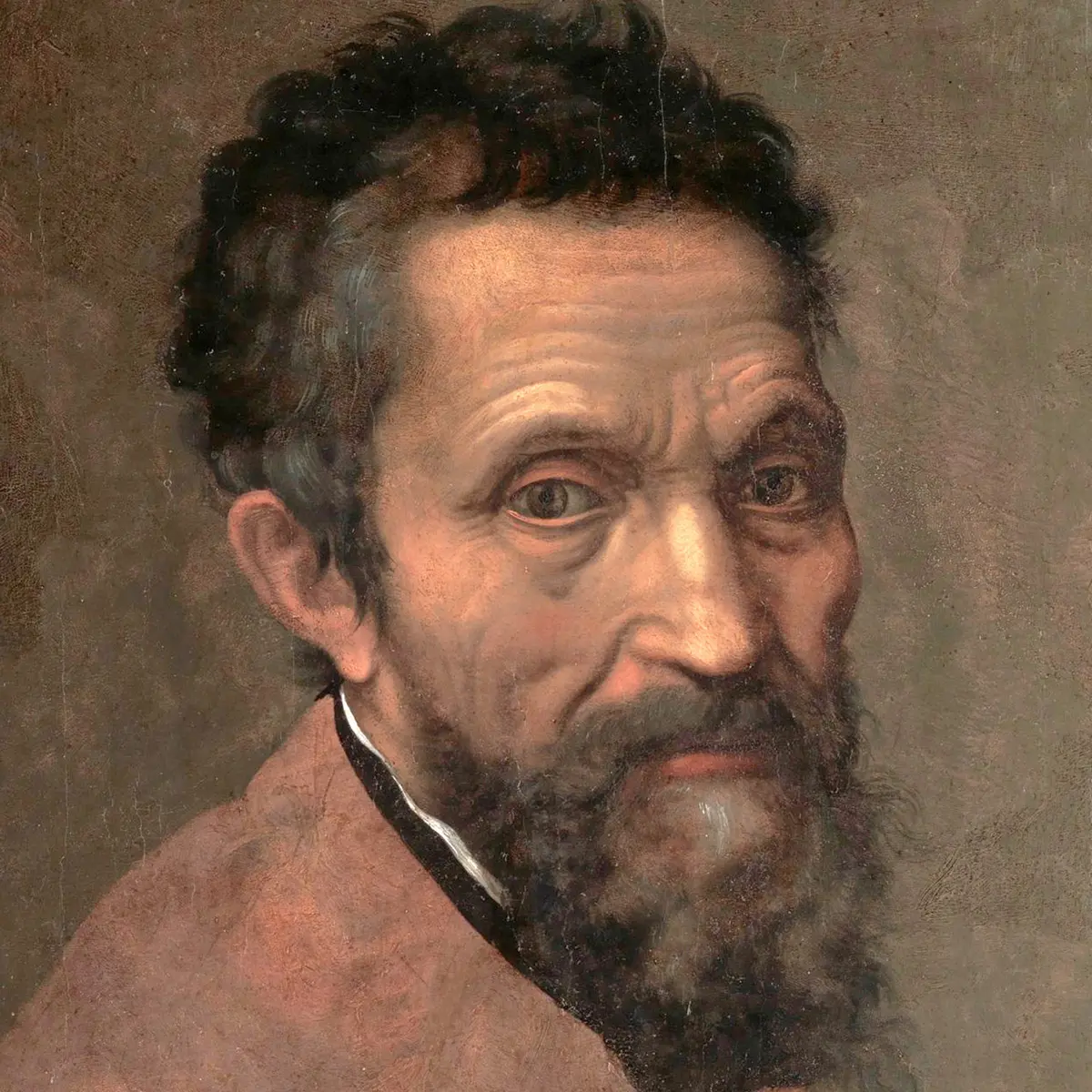
Michelangelo di Lodovico Buonarroti Simoni (1475–1564) was one of the most influential artists of the Renaissance. A sculptor, painter, architect and poet, he is renowned for masterpieces such as the marble David, the frescoes of the Sistine Chapel and the design of St Peter’s Basilica’s dome. Although he often claimed to be poor, his large commissions made him wealthy; after his death, gold ducats and property were found in his estate.
The newly sold drawing dates from around 1511–1512, when Michelangelo was painting the Sistine Chapel ceiling. Infrared reflectography and stylistic analysis suggest it was a study for the Libyan Sibyl, one of the prophetic figures depicted on the ceiling. The sheet had remained with a French family since the eighteenth century and was unknown to scholars until recently.
Highlights of the sale
- Rare survival: Many of Michelangelo’s working drawings were burned or destroyed to protect his reputation. This foot study survived because it passed down privately, making it a precious window into his creative process.
- Technical details: The drawing combines red chalk and charcoal on paper. Experts noted the muscular anatomy and foreshortening characteristic of Michelangelo’s figure studies.
- Record price: The £16.9 million hammer price exceeded pre‑sale estimates and surpassed previous auction records for a Michelangelo drawing.
- Historical context: The Libyan Sibyl is one of twelve sibyls and prophets painted on the Sistine Chapel ceiling. Michelangelo made numerous studies for these figures, refining poses and anatomical details before transferring them to fresco.
Significance
- Understanding Michelangelo’s method: Drawings like this reveal how the artist experimented with human anatomy and perspective before executing his monumental frescoes.
- Art market trends: The sale underscores the enduring appeal of Renaissance art and the willingness of collectors to pay high prices for exceptional works.
- Cultural heritage: Uncovering hidden sketches emphasises the importance of preserving and studying private collections, as they can yield new insights into art history.
Conclusion
The discovery and sale of Michelangelo’s foot study not only enrich the artist’s body of known drawings but also reaffirm his status as a master of human anatomy. Such finds remind us that even five centuries later, Renaissance art continues to captivate and surprise.
Sources: Livemint