Why in news?
The Government of India launched the Mission on Arunachal Kiwi on 20 May 2026 to transform Arunachal Pradesh into a hub for premium organic kiwi production. The initiative has an outlay of about ₹167 crore and emphasises cluster‑based cultivation, post‑harvest infrastructure and brand building.
Background
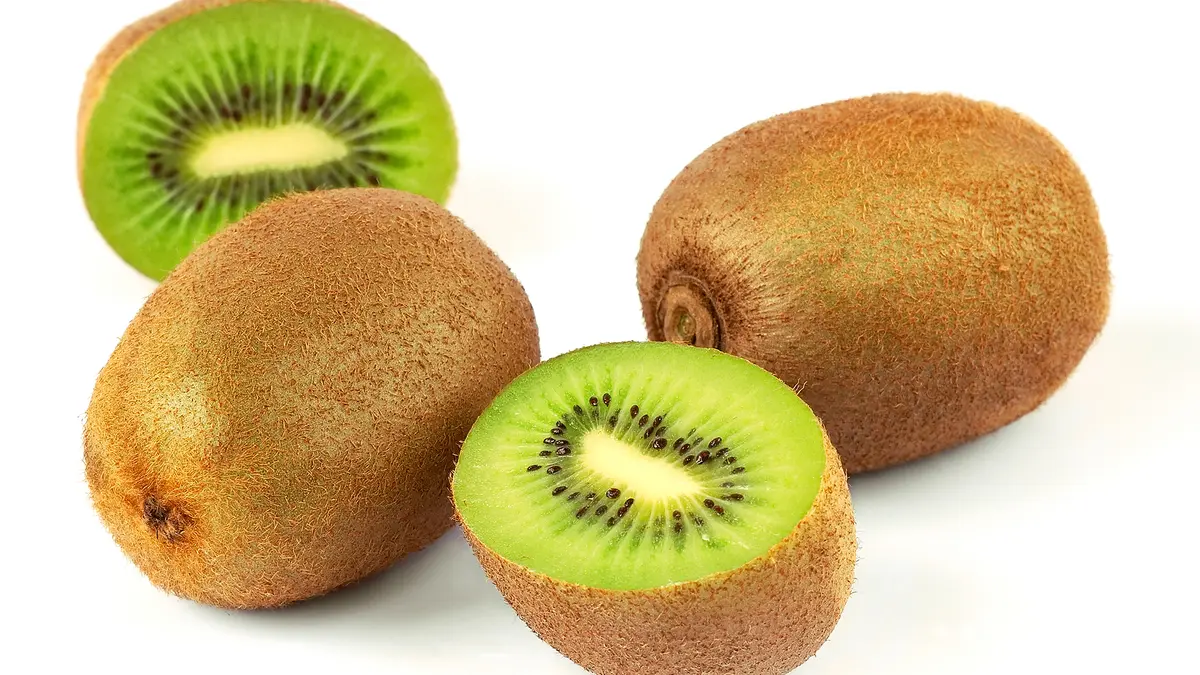
Kiwifruit (Actinidia deliciosa), also called Chinese gooseberry, originated in China and was introduced to New Zealand in the early twentieth century. The vine grows best at elevations of 900–1600 metres in warm, humid conditions and requires about 150 centimetres of annual rainfall. In India it is cultivated mainly in the Himalayan states. The fruit is rich in vitamin C, vitamin E, fibre and minerals such as phosphorus, potassium and calcium. It matures from October to December and yields 50–80 kilograms per plant under favourable conditions.
Key components of the mission
- Cluster hubs: Six cluster‑level Post‑Harvest Management Hubs will be created at Ziro Valley, Dirang, Kalaktang, Shi Yomi, Dibang Valley and one more location. These hubs will house cold stores, sorting and packing units and basic processing facilities.
- Convergence approach: The mission brings together multiple ministries and agencies — Agriculture, Rural Development, Food Processing, NABARD, APEDA and private investors — to synchronise funding and technical support.
- Value addition and branding: Efforts will focus on restoring organic certification under the National Programme for Organic Production (NPOP), creating a “Arunachal Kiwi” brand with traceability, promoting agri‑tourism and enabling exports to high‑value markets.
- Cold chain and logistics: The mission aims to build 2,000 tonnes of cold‑chain capacity and improve road access to remote orchards so that farmers can command better prices.
- Farmer integration: Thousands of farmers will be integrated into farmer‑producer organisations (FPOs) and trained in pruning, trellising and orchard management. Start‑ups will be encouraged to develop kiwi‑based products such as jams, beverages and vinegars.
Why this mission matters
- Arunachal Pradesh produces more than half of India’s kiwi but farmers often sell their fruit at low prices due to lack of infrastructure.
- Improved cold chains and branding will reduce post‑harvest losses and enable farmers to access premium markets.
- The mission fits into a broader strategy to diversify horticulture in India’s North‑East and promote sustainable livelihoods.
Conclusion
The Mission on Arunachal Kiwi seeks to transform a distress‑selling commodity into a flagship product. By combining convergence, infrastructure, branding and farmer empowerment, the programme aims to elevate Arunachal Pradesh on the global map of organic kiwi producers and inspire similar value chain initiatives for other niche crops.