
Why in news?
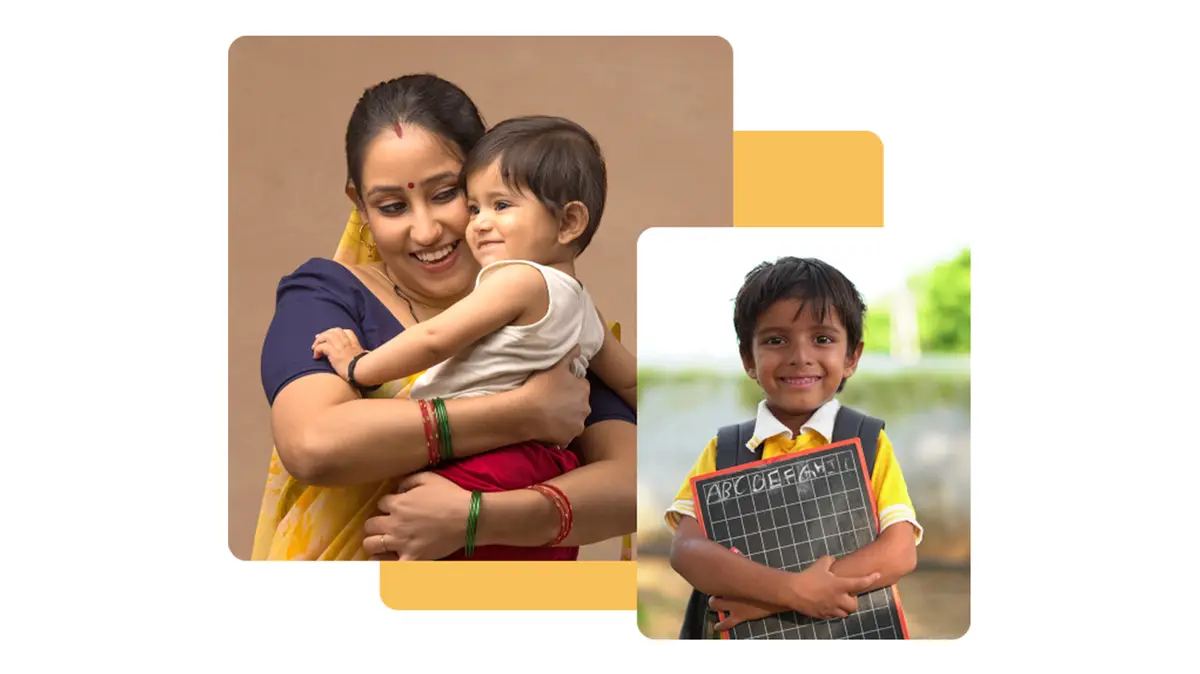
The Women and Child Development Ministry has created a unified Mission Vatsalya Portal. It joins three earlier child-tracking platforms within one system. Police records can now support faster matching of missing children. Every state and Union Territory has appointed nodal officers.
Background
India earlier operated separate child-protection programmes with differing administrative and funding arrangements.
In 2009–10, three such programmes merged into the Integrated Child Protection Scheme.
The programme became Child Protection Services in 2017 and entered Mission Vatsalya during 2021–22.
Revised Mission Vatsalya guidelines took effect from 1 April 2022.
The scheme is administered by the Ministry of Women and Child Development.
What is Mission Vatsalya?
Mission Vatsalya is a Centrally Sponsored Scheme for child protection and welfare.
State and Union Territory governments implement it with financial support from the Union Government.
Its main legal foundation is the Juvenile Justice (Care and Protection of Children) Act, 2015.
The Protection of Children from Sexual Offences Act, 2012, also guides relevant protection services.
The mission serves two broad groups under the juvenile justice framework.
| Legal category | Simple meaning |
|---|---|
| Children in Need of Care and Protection | Children facing abandonment, abuse, trafficking, homelessness or similar serious risks. |
| Children in Conflict with Law | Children alleged or found to have committed an offence before turning eighteen. |
What principle guides the scheme?
A safe family and community should provide first care, with institutional placement remaining the last resort.
The scheme supports families before separation and seeks early restoration whenever safe.
Every decision must treat the child's best interests as the primary consideration.
How did the older tracking systems work?
- TrackChild recorded missing and found children for official tracking and restoration.
- Khoya-Paya allowed citizens to report a missing child or a sighted child.
- Go Home and Re-Unite assisted restoration and repatriation between different jurisdictions.
The new portal unites these functions, reducing repeated data entry and fragmented searches.
How can police integration help?
The portal connects with the Crime and Criminal Tracking Network and Systems.
This police network carries information from First Information Reports and related criminal records.
A missing-child report can now be compared more quickly with found-child records.
Matching still requires lawful identity verification because digital resemblance cannot decide a child's identity.
Remember: A First Information Report is the police record that begins investigation of a cognisable offence.
Who uses the integrated system?
Key users include central ministries, Railways, police units and state child-protection authorities.
Child Welfare Committees decide protection matters, while Juvenile Justice Boards handle alleged offences by children.
The National Legal Services Authority provides assistance, while nodal officers coordinate across districts and states.
What services does Mission Vatsalya support?
| Form of care | Important services |
|---|---|
| Institutional care | Children's Homes, Open Shelters, adoption agencies, Observation Homes, Special Homes and Places of Safety. |
| Non-institutional care | Sponsorship, foster care, adoption, restoration to safe families and aftercare support. |
Sponsorship provides financial help while a child remains with a family. Foster care places a child with an approved alternative family.
Adoption creates a permanent parent-child relationship, while aftercare supports independent life after institutions.
The guidelines allow ₹4,000 monthly support for eligible children under specified non-institutional care.
Aftercare usually covers ages 18–21, with exceptional support continuing until age 23.
How is the scheme financed?
| Implementing area | Union and state share |
|---|---|
| Most states and Union Territories with legislatures | 60:40 |
| Eight northeastern states and specified Himalayan areas | 90:10 |
| Union Territories without legislatures | 100 per cent Union funding |
The 90:10 category covers Himachal Pradesh, Uttarakhand and Jammu and Kashmir besides northeastern states.
Why is one portal useful?
- One record can move with the child across administrative boundaries.
- Police and welfare agencies can search connected information more quickly.
- Managers can identify delays in restoration, inquiry or service delivery.
- Duplicate records may decline when departments work through common identifiers.
These records contain sensitive personal information, making strong access controls and regular security checks essential.
Conclusion
The unified portal can improve child protection when technology supports careful, humane and accountable field action.