

Why in news?
Researchers have developed a sensitive biosensor using a graphene–nanogold composite to detect the protein myoglobin in blood. By measuring tiny increases in myoglobin levels, the device promises rapid diagnosis of heart attacks and could be adapted for portable point‑of‑care testing.
Background
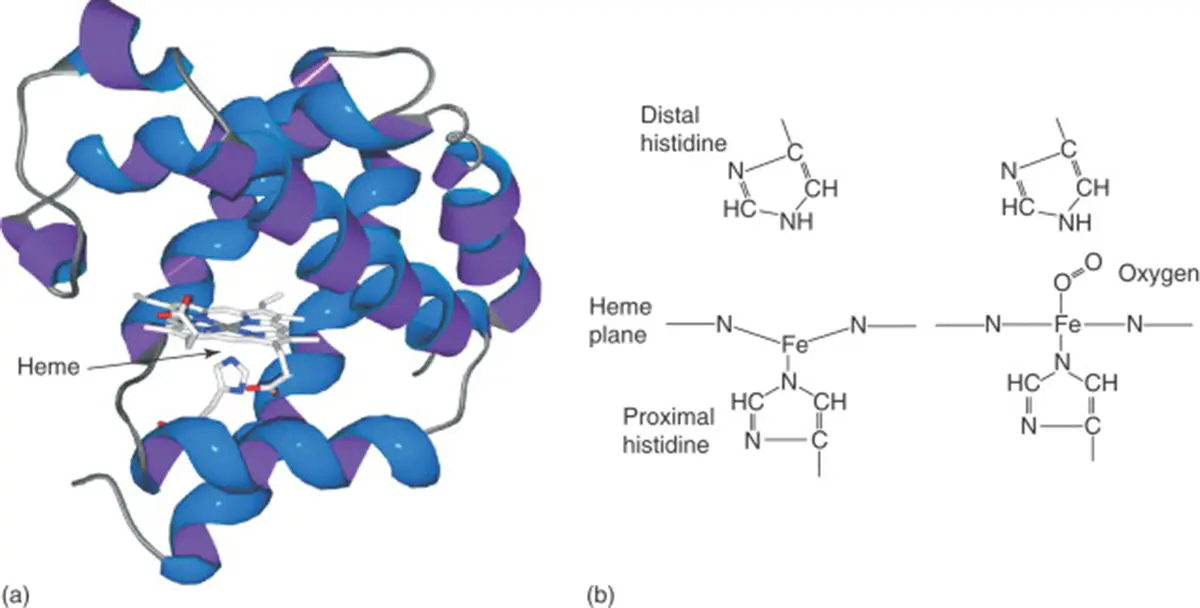
Myoglobin is an iron‑containing protein found in skeletal and heart muscle. It binds oxygen and delivers it to muscle cells, acting as an oxygen reservoir during intense activity. Under normal circumstances myoglobin remains inside muscle cells. When muscles are damaged—during intense exercise, injury or a heart attack—the protein is released into the bloodstream and urine. Elevated serum myoglobin is therefore an early indicator of cardiac injury and is used alongside other biomarkers to diagnose acute myocardial infarction.
Traditional methods for detecting heart attacks rely on electrocardiograms and clinical observation, which may miss early signs or produce false positives. Biosensors based on nanomaterials offer a faster, more sensitive alternative. Graphene, a single layer of carbon atoms, has exceptional electrical conductivity and a large surface area, making it ideal for immobilising antibodies and detecting minute biochemical changes.
Biosensor design
- Graphene–nanogold composite: Researchers constructed an electrochemical immunosensor by coating a glassy carbon electrode with graphene and gold nanoparticles. Antibodies specific to myoglobin are attached to this surface. When blood containing myoglobin contacts the electrode, the antigen binds to the antibodies, changing the electrical signal.
- High sensitivity: The sensor exhibits a wide linear detection range (0.001–100 ng/mL) and a very low detection limit (0.42 pg/mL). It distinguishes myoglobin from similar proteins and remains stable over several days, making it suitable for clinical samples.
- Point‑of‑care potential: Future work aims to integrate the sensor into a portable device for bedside testing. Rapid detection of myoglobin can alert clinicians to cardiac damage before severe symptoms develop, enabling earlier treatment and improved survival.
Understanding myoglobin
- Structure and function: Myoglobin consists of a single polypeptide chain and a heme group containing iron. It stores oxygen within muscle cells and releases it during periods of low oxygen availability.
- Clinical use: Elevated myoglobin levels in blood or urine signal muscle injury. Medical professionals measure myoglobin alongside cardiac troponins to diagnose heart attacks and monitor muscle diseases.
- Limitations: Myoglobin levels rise quickly after muscle damage but also decline rapidly. Therefore, clinicians often use it as an early marker rather than a definitive diagnostic tool.
Significance
- Early intervention: A rapid, low‑cost biosensor could help detect heart attacks at the first onset of damage, especially in rural or emergency settings where laboratory facilities are scarce.
- Adaptability: The graphene–nanogold platform may be modified to detect other disease markers by changing the immobilised antibody, enabling a range of point‑of‑care tests.
- Innovation: Integrating nanomaterials with biomedical diagnostics demonstrates how advances in materials science can directly benefit healthcare.
Conclusion
The development of a graphene‑based myoglobin sensor illustrates the promise of nano‑enabled diagnostics in cardiology. By harnessing graphene’s high conductivity and the specificity of immunoassays, scientists are moving closer to real‑time, bedside detection of heart attacks, which could save lives by allowing treatment to start sooner.
Source: TH