
Why in news?
Volunteers in Patiala district recently removed several trolley‑loads of garbage from the dilapidated Nabha Fort and adjoining park, renewing calls to preserve this important heritage site and develop it as a tourism destination.
Background
Nabha Fort is located in the town of Nabha, about 30 kilometres northwest of Patiala city in Punjab. Construction began in the late 18th century and continued for more than 150 years under the Phulkian dynasty. The fort served as the royal residence and administrative headquarters of the princely state of Nabha. During the Anglo‑Sikh wars of the 1840s Nabha sided with the British and retained its autonomy under colonial rule. Maharaja Hira Singh (1843–1911) added elaborate frescoes, carvings and courtyards that reflected a blend of Mughal, Rajput and Sikh styles.
Architecture and features
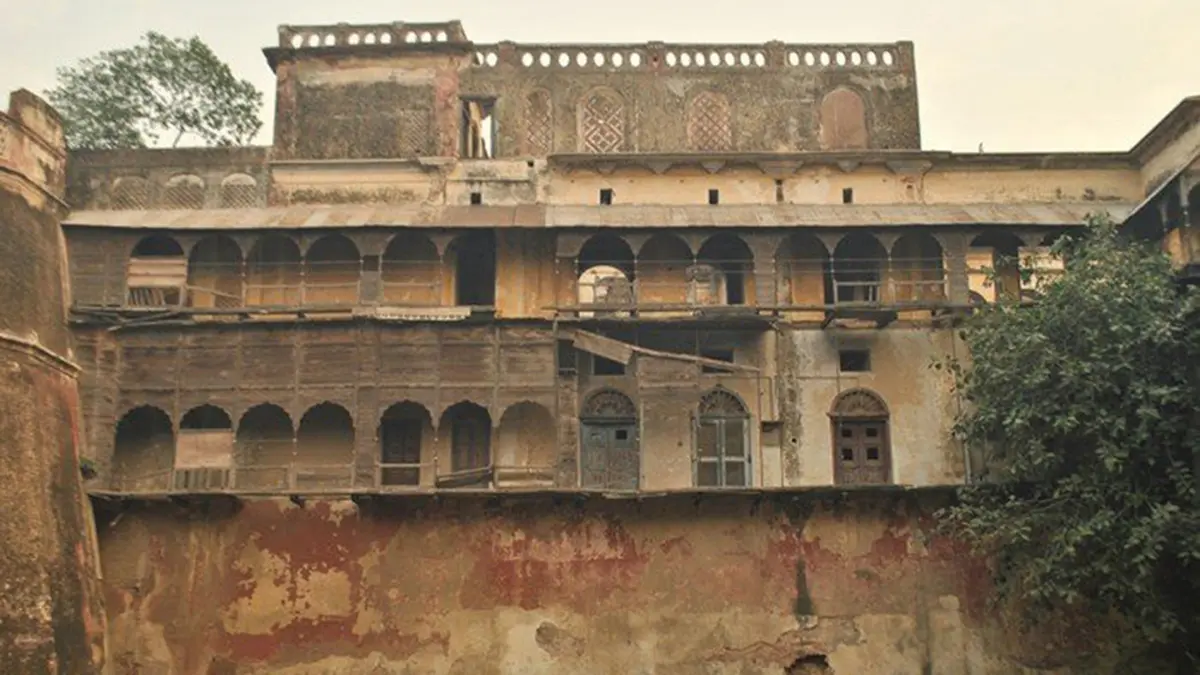
- Design: The fort has thick defensive walls, round bastions and large gateways typical of 18th‑century military architecture. Within its confines are palatial residences, gardens and audience halls.
- Decoration: Surviving chambers contain mirror work, coloured glass, wood carvings and frescoes depicting court scenes and religious motifs. A unique cooling room called the Sard Khana lies in the basement.
- Current state: After Independence the fort was taken over by government departments and subsequently fell into neglect. Heritage activists now urge restoration and adaptive reuse to conserve its cultural value.
Conclusion
Nabha Fort stands as a testament to the artistry and political history of the Phulkian rulers. Proper conservation, waste removal and sustainable tourism can revive this monument and educate visitors about Punjab’s princely past.