

Why in news?
The variety of Ashwagandha cultivated in Rajasthan’s Nagaur district, known as Nagori Ashwagandha, has been awarded a Geographical Indication (GI) tag. The recognition has received global attention, including at the 2026 G7 summit, for highlighting traditional Indian medicinal plants. The GI tag protects farmers and assures buyers of the product’s unique quality.
Background
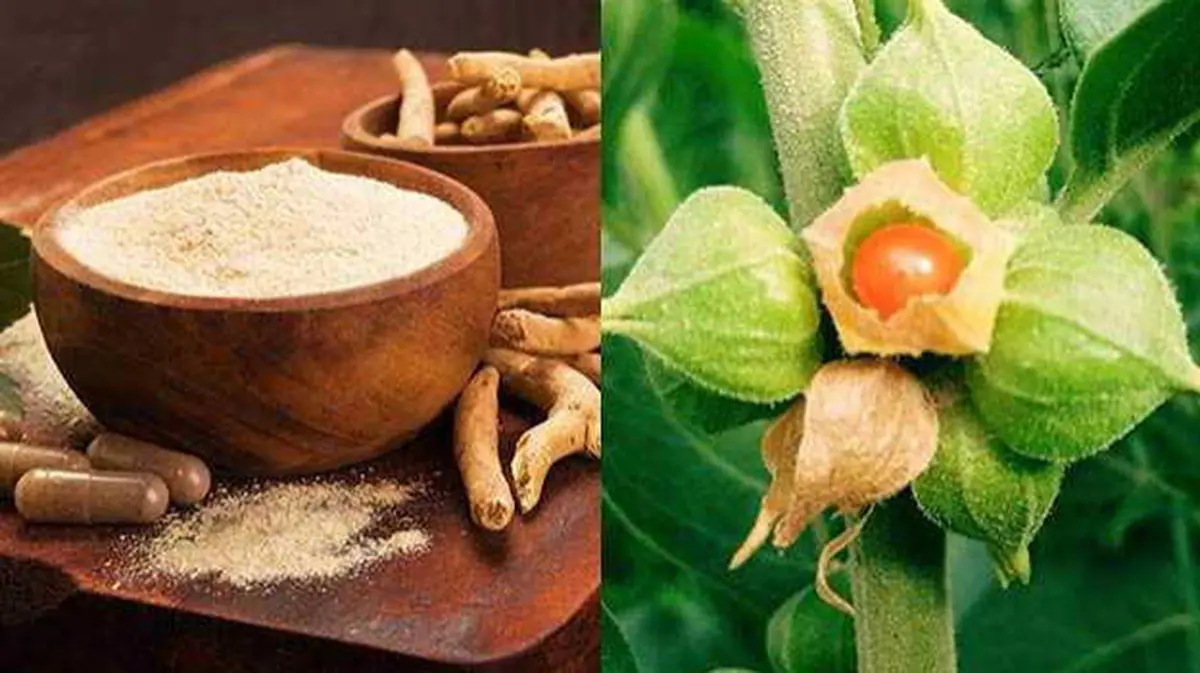
Ashwagandha (Withania somnifera) is an evergreen shrub native to India, Africa and the Middle East. In Ayurveda it is used as a tonic to reduce stress, improve sleep and boost overall well‑being. The roots contain withanolides and other alkaloids that are believed to produce adaptogenic effects. Modern research is still assessing these claims and warns that evidence is limited.
What makes Nagori Ashwagandha special?
- Unique terroir: The Nagori variety grows in the arid and semi‑arid soils of Nagaur, Churu and Bikaner districts of Rajasthan. These conditions produce roots that are long, thick, brittle and free of cavities. Herbal industries prize these qualities.
- Scientific validation: Researchers at the ICAR–Directorate of Medicinal and Aromatic Plants Research (DMAPR) analysed the phytochemical profile of Nagori roots. They found high levels of starch, withanolides and alkaloids compared with other varieties. Field trials confirmed superior yield and therapeutic efficacy.
- Collaboration for GI tag: The GI application was spearheaded by the Department of Agriculture, the National Medicinal Plants Board and the Nagori Welfare Society. Evidence from DMAPR scientists supported the claim. The GI tag (registration number 1143) acknowledges the geographical origin and quality.
Significance
The GI tag prevents unauthorised use of the “Nagori” name and promotes rural livelihoods. Farmers can command premium prices and protect their product against adulteration. International recognition at events like the G7 summit helps raise awareness about India’s biodiversity and traditional medicine. Consumers receive assurance that Nagori Ashwagandha comes from a defined region and meets quality standards.
Conclusion
Recognition of Nagori Ashwagandha as a GI product is a win for farmers and herbal medicine. It shows the value of linking local knowledge with scientific research. Protecting such unique crops encourages sustainable cultivation and strengthens India’s position in the global herbal market.
Sources: ICAR–DMAPR