
Why in news?
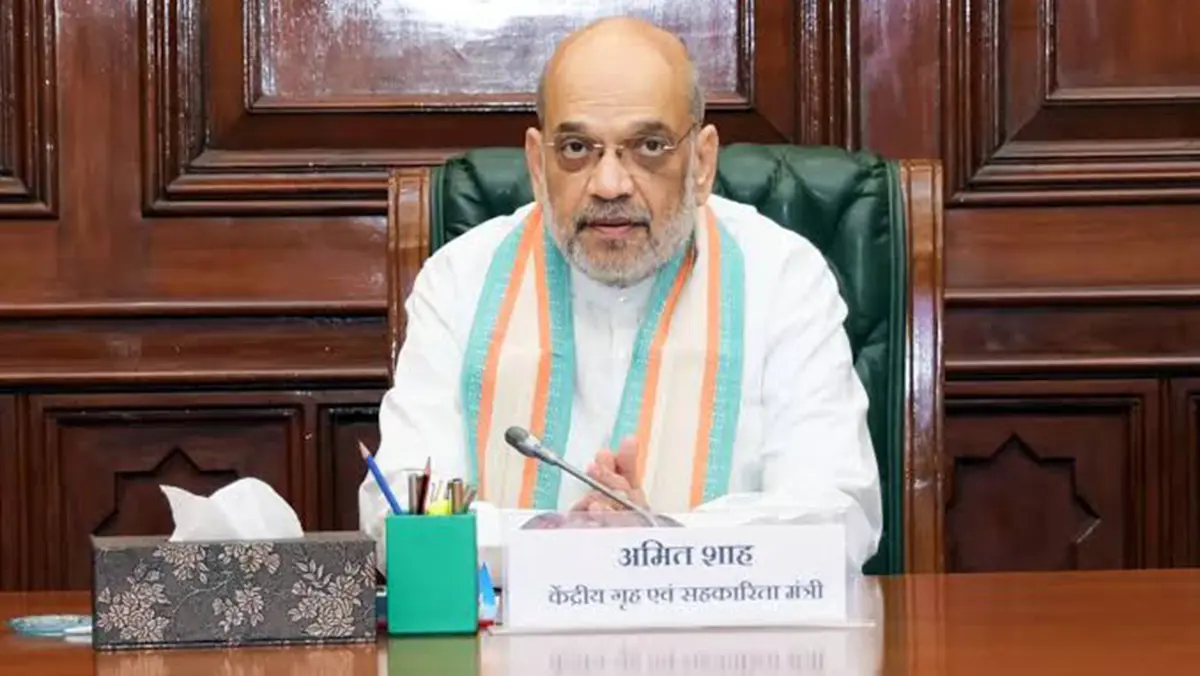
The Union Home Minister chaired the 10th apex‑level meeting of the Narco‑Coordination Centre on 26 June 2026. He urged officials to fight the drug menace as a national security issue and highlighted recent successes in seizing narcotics and synthetic drugs.
Background
NCORD is a coordination mechanism for drug law enforcement. It was established on 22 November 2016 and later reorganised into a four‑tier structure on 29 July 2019 and again on 25 March 2022. The system links central and state agencies through apex, executive, state and district committees. Meetings are held regularly, and the Narcotics Control Bureau (NCB) hosts an online portal to share information in real time. Initiatives like the MANAS helpline (dial 1933), the NIDAAN database and Mission SPANDAN create awareness and support recovery.
Key aspects of NCORD
- Four tiers: The apex committee is chaired by the Union Home Secretary. An executive committee with secretaries of relevant ministries meets monthly. Each state has its own NCORD chaired by the Chief Secretary, and districts have committees led by Collectors.
- Coordinated strategy: By bringing together enforcement, health and social welfare departments, NCORD aims to reduce supply, demand and harm. Real‑time intelligence sharing helps bust drug networks.
- Technology: The NCORD portal, NIDAAN database and dedicated helplines allow agencies to upload seizure data and analytics. Digital tools also track financial flows linked to narcotics.
- Results: According to the government, seizures of synthetic drugs rose from 2.6 million kilograms between 2004 and 2014 to 11.8 million kilograms between 2014 and 2026. This reflects better coordination and an increased focus on organised crime.
Conclusion
The latest NCORD meeting shows that India views drug trafficking as a threat to youth, public health and security. A structured, multi‑tier approach backed by technology is essential to disrupt networks and support rehabilitation.