
Why in news?
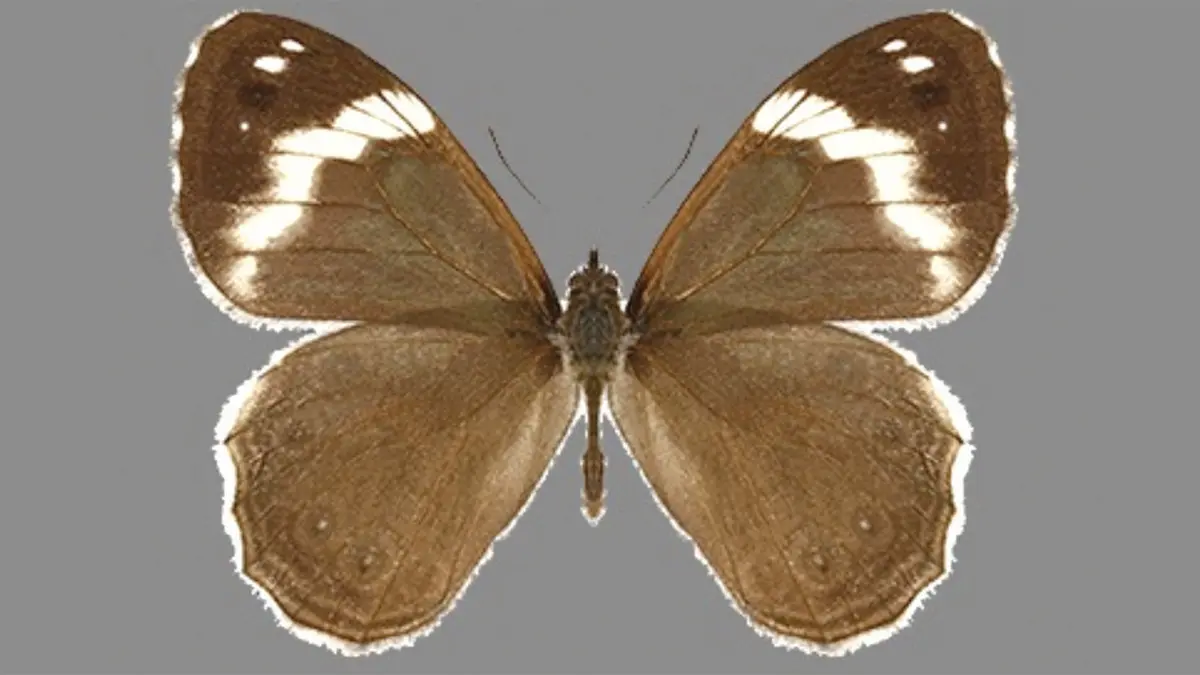
Researchers from the National Centre for Biological Sciences identified a new butterfly in the remote Mayodia Pass of Arunachal Pradesh. The species, named Chonala albistricta, is known colloquially as the “narrow‑banded wall.” The discovery was described in the journal Zootaxa in June 2026.
Background
The genus Chonala belongs to the Nymphalidae family. Only ten species are recognised worldwide. The new species was found by entomologists Fahim Khan, Ujwala Pawar and their team led by Dr Krushnamegh Kunte. They observed the butterfly near Mayodia Pass in the Lower Dibang Valley district. Specimens were collected in August 2025 and studied for wing pattern and genetic markers. The species was named for its narrow and uneven white band on the forewing.
Features and habitat
- Distinctive wing band: The narrow white band on the forewing is irregularly bent and contrasts with the dark background. This feature distinguishes it from the similar Chonala masoni.
- High‑altitude endemic: The butterflies occur at elevations of around 2,000 metres. They fly for only a few weeks in late summer before going dormant. The species may breed once a year.
- Conservation importance: This is the tenth Chonala species worldwide and the second reported from India. The discovery highlights the eastern Himalaya’s rich biodiversity and the need for more surveys. Local communities and authorities must protect the habitats of these rare insects.
Conclusion
The identification of Chonala albistricta shows that remote valleys of Arunachal Pradesh still hold unknown species. Careful fieldwork and taxonomic research add to our understanding of Himalayan biodiversity. Protecting these fragile ecosystems will ensure that rare butterflies like the narrow‑banded wall can thrive.