
Why in news?
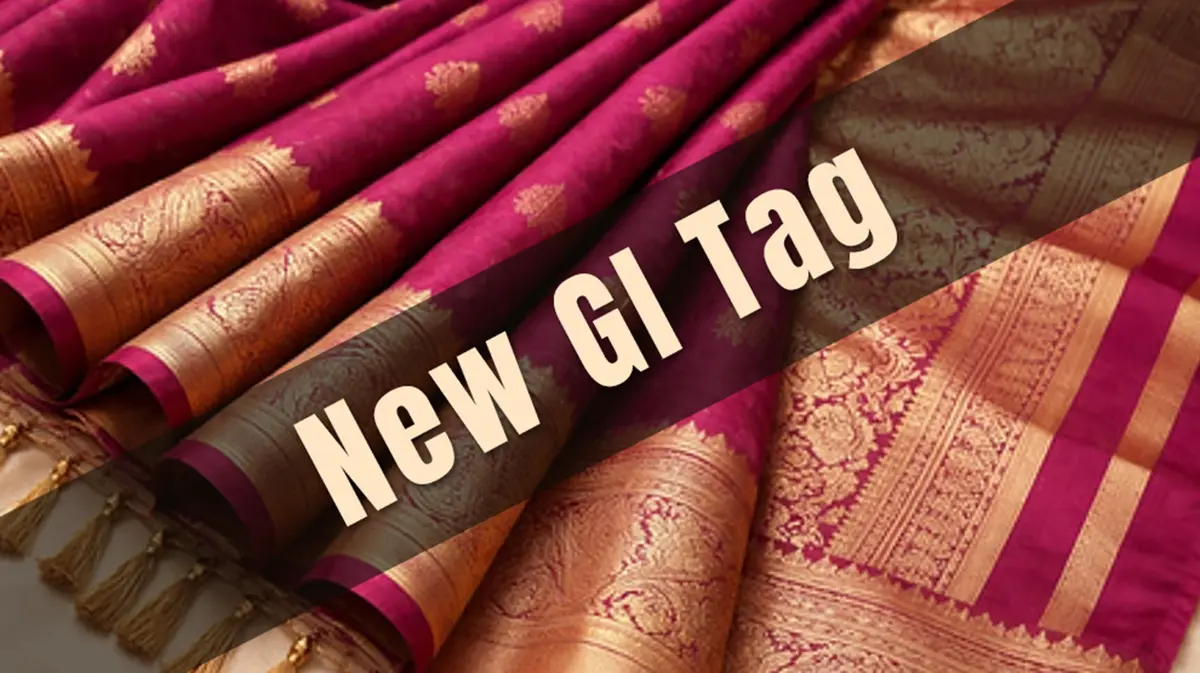
In June 2026 four traditional products from Jharkhand — Bhagaiya silk, Kuchai silk, Munda jewellery and bamboo craft — received Geographical Indication (GI) status. The recognition aims to protect the unique qualities of these handicrafts and boost the livelihood of local artisans.
Background
A Geographical Indication is a sign used on products that have a specific geographical origin and possess qualities or a reputation linked to that place. The GI tag helps prevent unauthorised use of the product name and enhances market value. The four Jharkhand products join a growing list of Indian handicrafts, foods and textiles protected under the GI regime.
About the new GI products
- Bhagaiya silk: Hand spun silk fabric woven by Santhal tribal women. The silk is produced from wild tussar cocoons and has a natural golden sheen. Generations of artisans have preserved this eco‑friendly craft.
- Kuchai silk: Tussar silk reared on Asan and Arjun trees in the village of Kuchai, now spread across the state. The tradition provides livelihoods in rural areas and is known for its coarse texture and earthy colours.
- Munda jewellery: Ornamental pieces created by the Munda tribal community. Featuring distinctive motifs and craftsmanship, the jewellery reflects the cultural heritage of central India and uses metals such as silver, copper and brass.
- Bamboo craft: Artisans transform locally available bamboo into baskets, mats and decorative items. The craft combines creativity with sustainable resource use and is an important source of income in tribal villages.
Significance of the GI tag
- Protection: GI status prevents misuse of the product names by outsiders and ensures that only authorised producers can market goods under these names.
- Economic benefits: The tag can help artisans secure better prices, access new markets and attract tourists, thereby improving rural livelihoods.
- Heritage preservation: Recognition encourages younger generations to learn traditional skills and helps safeguard cultural practices from erosion.
Conclusion
The GI recognition for Bhagaiya silk, Kuchai silk, Munda jewellery and bamboo craft celebrates Jharkhand’s rich cultural heritage and supports its artisan communities. By valuing indigenous knowledge and craftsmanship, the GI tag promotes inclusive development and cultural pride.