

Why in news?
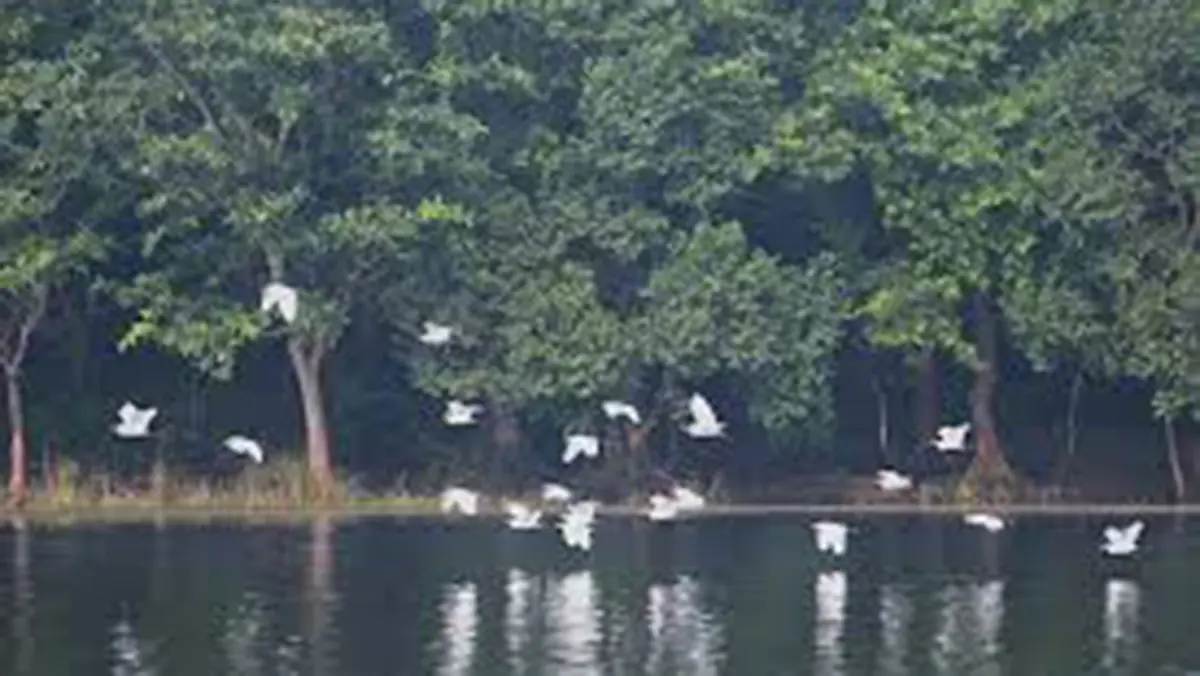
Ahead of World Wetlands Day (2 February 2026) India added two wetlands to the Ramsar List of Wetlands of International Importance: Patna Bird Sanctuary in Uttar Pradesh and Chhari‑Dhand Wetland in Gujarat. Their inclusion raised India’s tally of Ramsar sites from 96 to 98 and underscored the country’s commitment to conserving diverse wetland ecosystems. The additions were announced by the Union Minister for Environment, Forest and Climate Change and welcomed by Prime Minister Narendra Modi.
Background
The Ramsar Convention is a global treaty adopted in 1971 in Ramsar, Iran, to promote the conservation and wise use of wetlands. India signed the convention on 1 February 1982. Ramsar sites are recognised for their ecological, hydrological and cultural importance and receive international support for their protection. Since 2014 India has added over 70 sites, reflecting a major expansion of its wetland network.
Patna Bird Sanctuary
- Location and size: Situated in the Jalesar subdivision of Etah district, Uttar Pradesh, the sanctuary spans just over one square kilometre, making it the smallest bird sanctuary in the state.
- Biodiversity hotspot: Despite its small area, it supports about 178 species of birds and 252 plant species. During late January it hosts more than 60,000 birds, including migratory species such as the Northern Pintail.
- Habitat: The wetland provides shallow, rain‑fed water bodies ideal for feeding and resting. It also supports resident mammals like the Nilgai (blue bull) and several endangered birds.
Chhari‑Dhand Wetland
- Location and nature: This seasonal saline wetland lies between the Banni grasslands and the salt flats of the Rann of Kutch, Gujarat. In a good monsoon it can expand to nearly 80 square kilometres.
- Conservation status: Chhari‑Dhand is Gujarat’s only designated Conservation Reserve. It serves as a critical wintering and stopover site for migratory birds entering India via the western flyway.
- Avian diversity: The wetland hosts species such as the critically endangered Sociable Lapwing, Common Pochard and flocks of nearly 30,000 Common Cranes. Greater and Lesser Flamingos are also regular visitors.
- Mammals: The surrounding desert landscape is home to chinkara (Indian gazelle), wolves, caracals, desert cats and desert foxes.
- Unique phenomenon: Locals report sightings of “Chir Batti” – mysterious flickering lights over the Banni grasslands on dark nights.
Significance
- Ecological importance: These wetlands provide vital habitats for migratory and resident birds, many of which are threatened. They also support plant diversity and serve as breeding grounds for aquatic life.
- Hydrological benefits: Wetlands recharge groundwater, control floods and act as carbon sinks.
- Community benefits: Ramsar recognition promotes sustainable tourism and encourages community‑led conservation, creating livelihood opportunities for local residents.
Source: PIB