
Why in news?
Geopolitical tensions in West Asia in early 2026 disrupted shipping through the Strait of Hormuz and other chokepoints. Global nickel prices jumped to a ten‑month high, raising concerns for India’s electric vehicle (EV) battery and stainless‑steel industries. India imports about 80 % of its ferronickel from Indonesia and faces supply risks during such crises.
Nickel and its uses
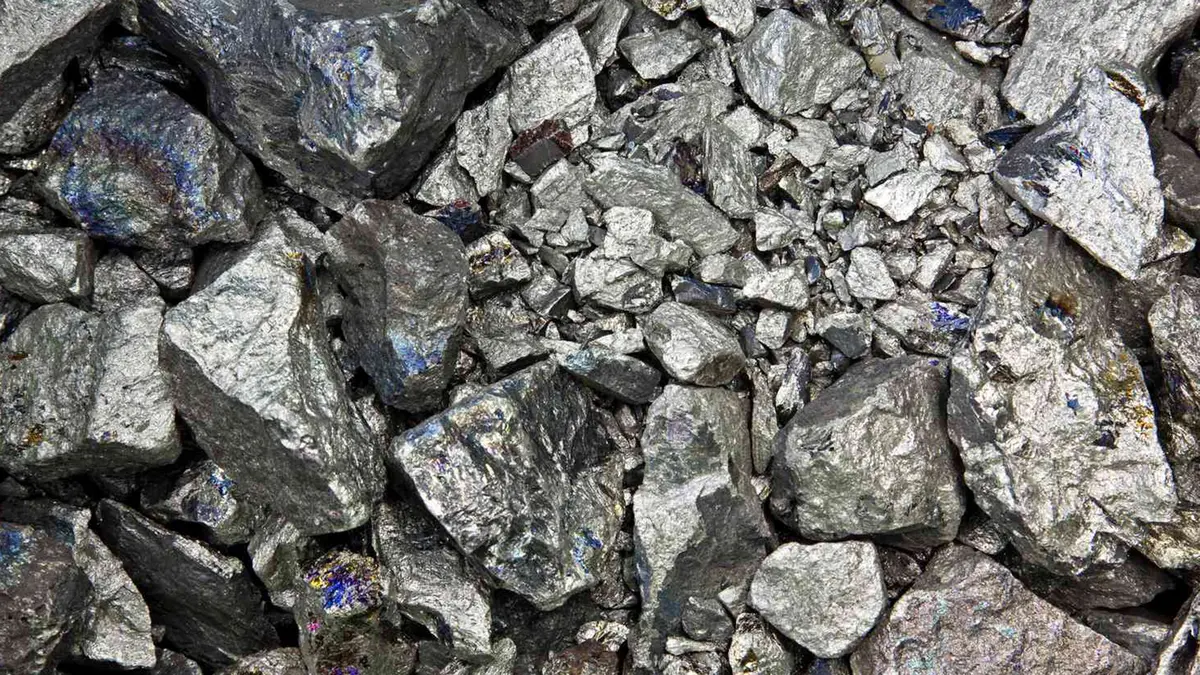
Nickel is a silver‑white metal valued for its corrosion resistance and ability to form alloys. It is a key component of stainless steel and increasingly important in lithium‑ion battery cathodes used in electric vehicles. Higher nickel content improves battery energy density and reduces reliance on cobalt.
Impact on India
- Import dependence: India sources most ferronickel from Indonesia, with smaller quantities from Australia and China. Disruptions in shipping routes or export policies can cause supply shortages and price spikes.
- EV sector: Rising nickel prices increase battery costs, potentially slowing the adoption of electric vehicles. Manufacturers may pass on higher costs to consumers, affecting demand.
- Stainless steel industry: Nickel alloys give stainless steel its strength and corrosion resistance. Price volatility squeezes margins for steel producers and may lead to higher prices for downstream industries.
- Need for diversification: Experts suggest that India should diversify its supply sources by exploring domestic deposits, forming partnerships with other producing countries and recycling scrap. In the long term, developing local refining capacity could reduce exposure to global shocks.
Conclusion
The West Asia conflict illustrates how geopolitical events can ripple through supply chains. For a sustainable EV transition and stable steel sector, India needs to secure diversified nickel supplies and invest in domestic capacity and recycling.