
Why in news?
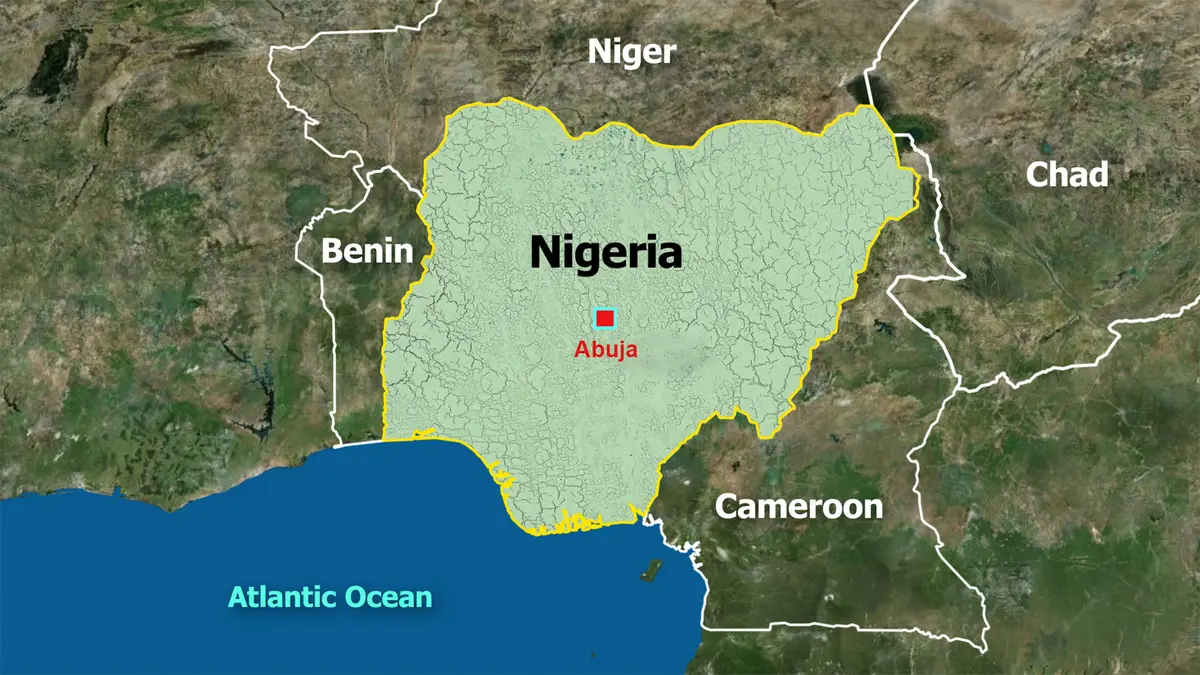
- On 7 July 2026 President Bola Tinubu of Nigeria directed the Federal Competition and Consumer Protection Commission (FCCPC) to investigate major global technology companies and generative AI platforms.
- The probe was prompted by a petition from Nigerian media associations alleging unfair practices and exploitation of media content.
- The investigation aims to safeguard fair competition, protect media organisations and ensure that technology companies respect the rights of content creators.
Background
Nigeria’s media industry has raised concerns about the dominance of global technology companies such as Meta (Facebook), Alphabet (Google) and X (formerly Twitter). Media associations alleged that these platforms scrape news reports and broadcast material without fair compensation, use content to train AI models, and exercise market power in advertising. A joint petition by bodies like the Nigerian Guild of Editors, the Newspaper Proprietors’ Association of Nigeria and the Broadcasting Organisations of Nigeria prompted the government to act. The Minister of Information and National Orientation conveyed the president’s directive to the FCCPC.
Objectives of the investigation
- Assess market dominance: The FCCPC will examine whether technology companies have abused their market position in digital advertising and content distribution.
- Scraping and AI training: The probe will explore claims that generative AI models were trained on copyrighted news and broadcast content without permission.
- Fair compensation: Investigators will look at whether news publishers have been denied meaningful opportunities to negotiate compensation for the use of their content.
- Transparent process: FCCPC chief executive Tunji Bello emphasised that the inquiry is evidence‑based and does not assume wrongdoing. All parties will have a chance to present information before conclusions are drawn.
Conclusion
The directive reflects growing global scrutiny of digital platforms and AI companies. It also highlights the need to balance innovation with fair treatment of media creators. Findings from the investigation could influence digital competition policy in Nigeria and other developing countries.
Source: The Hindu