

Why in news?
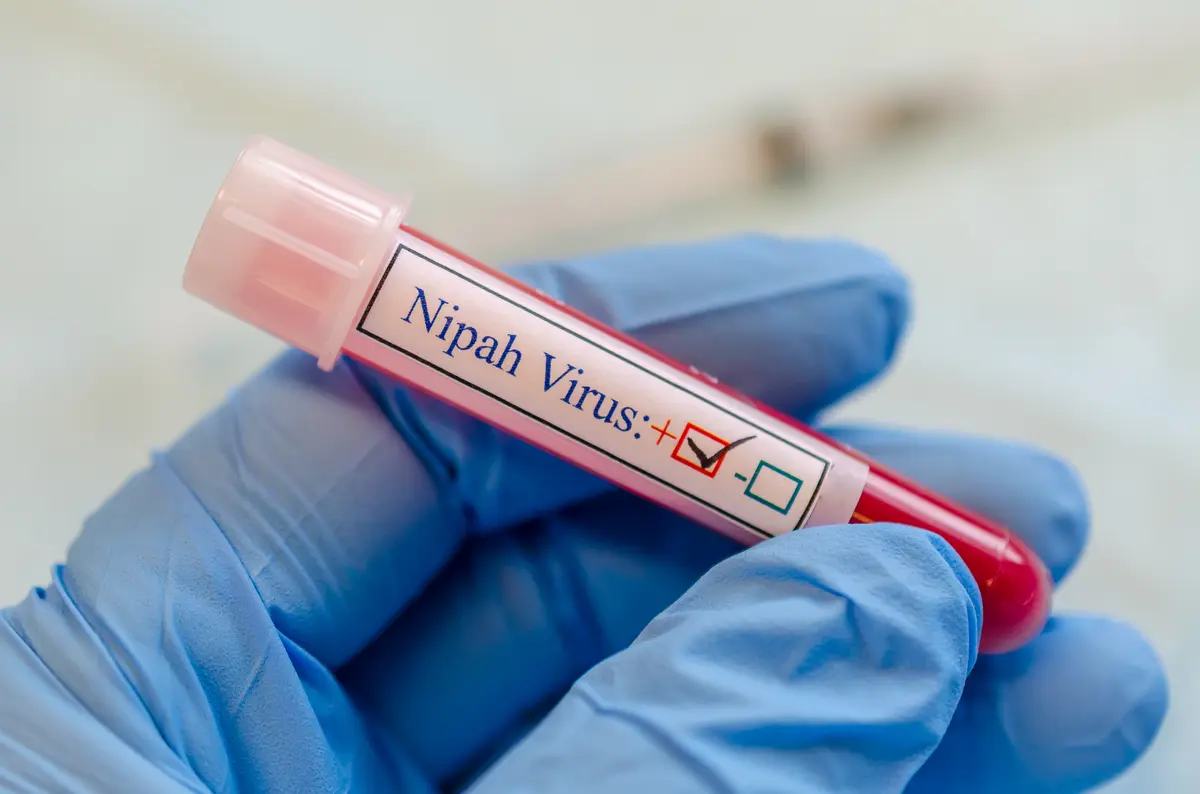
Health authorities in West Bengal confirmed that two people contracted the Nipah virus in early February 2026. Thanks to swift contact tracing and isolation, no further cases were detected. The incident has raised public concern because Nipah has a high fatality rate and no specific treatment.
Background
Nipah virus is a zoonotic pathogen first identified in Malaysia in 1999. Fruit bats of the Pteropus genus are natural hosts. The virus can spread to humans through contaminated fruit or through contact with infected animals and people. Past outbreaks in Kerala and Bangladesh have caused severe encephalitis and respiratory distress, with fatality rates ranging from 40 to 70 percent.
Key points of the West Bengal incident
- Limited cases: Only two confirmed cases were recorded. Both patients were hospitalised and placed under intensive care.
- Containment efforts: Health teams traced all close contacts, monitored them for symptoms and established isolation wards. Public advisories were issued against consuming partially eaten fruit.
- Symptoms: Nipah infection begins with fever, headache and myalgia. It can progress rapidly to confusion, seizures and coma as the brain becomes inflamed. Respiratory symptoms like cough and breathing difficulty are also common.
- No cure: There is no licensed vaccine or antiviral drug. Treatment is supportive, focusing on hydration, managing fever and preventing secondary infections.
Preventive measures
- Avoid eating fallen or half‑eaten fruit, especially near bat habitats.
- Cover food and water sources to prevent contamination by bats.
- Practice good hand hygiene and avoid contact with sick animals.
- Seek medical care promptly if symptoms appear after exposure.
Source: NDTV