
Why in news?
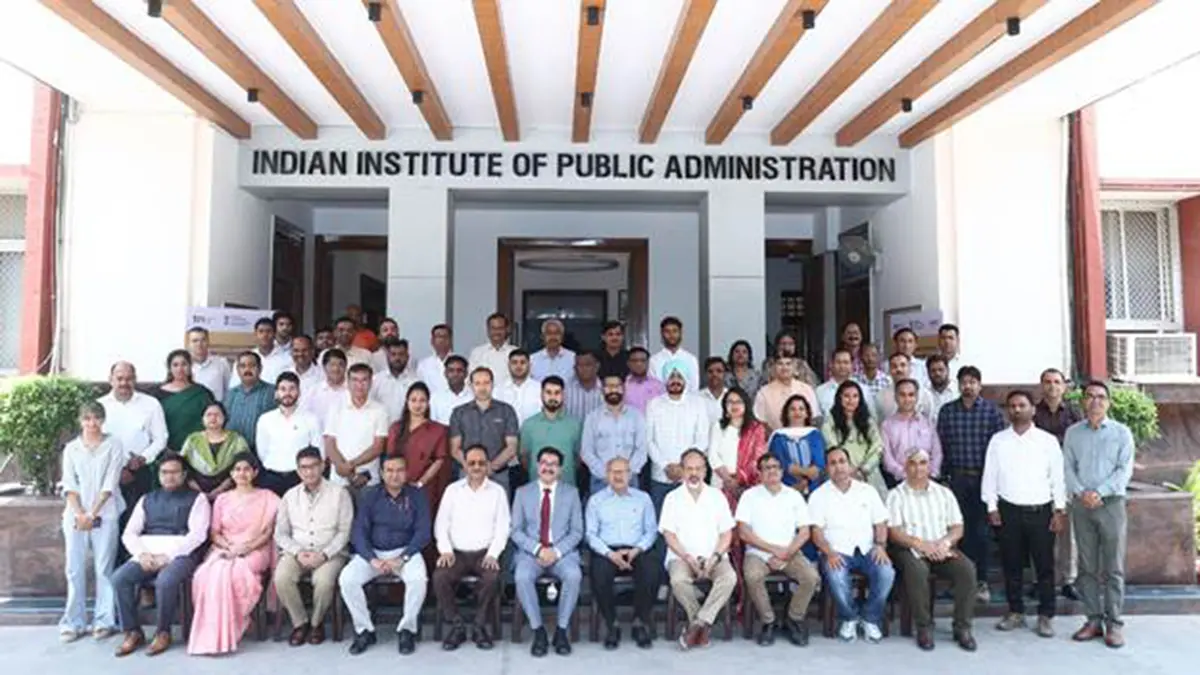
The Ministry of Panchayati Raj launched a nationwide programme called Nirbhay Chetna under the Nirbhaya Fund in mid‑June 2026. Over a three‑day training programme held in New Delhi (17–19 June), the ministry began building a cadre of trainers to sensitise male elected representatives about women’s safety, gender equality and positive masculinity.
Background
India created the Nirbhaya Fund after the 2012 Delhi gang‑rape to finance initiatives for women’s safety. As part of the broader Nirbhay Raho campaign, which also includes the Nirbhay Netri and Nirbhay Drishti sub‑programmes, the government aims to change attitudes at the village level. Elected men in panchayats play a powerful role in shaping community norms, so training them can influence everyday behaviour and policy decisions.
Key points
- Scale and reach: The programme plans to create about 28,500 master trainers who will later educate roughly 1.75 million male panchayat representatives across India.
- Training contents: Modules cover constitutional rights, gender‑responsive governance, respectful conduct, community participation and the economic benefits of women’s empowerment. The sessions use participatory activities to encourage self‑reflection.
- Positive masculinity: Trainers emphasise that masculinity rooted in respect and equality improves community well‑being. Men are encouraged to challenge harmful stereotypes and support women’s leadership.
- Grass‑roots change: By educating local leaders, the initiative seeks to influence policies on issues such as sanitation, school safety and economic opportunities. Panchayats can drive social change when members understand the value of women’s safety and participation.
Conclusion
Nirbhay Chetna represents a shift from reactive measures to proactive education. Sensitising male representatives should help build safer, more equal villages. Continued support from the central and state governments will be vital to sustain this ambitious awareness drive.