

Why in news?
A study published in Science Translational Medicine reported that high doses of inhaled nitric oxide dramatically reduced the number of drug‑resistant Pseudomonas bacteria in an intensive‑care pneumonia model. The research suggests that nitric oxide gas, already used at low doses to treat respiratory ailments, could be repurposed to fight antibiotic‑resistant infections.
Background
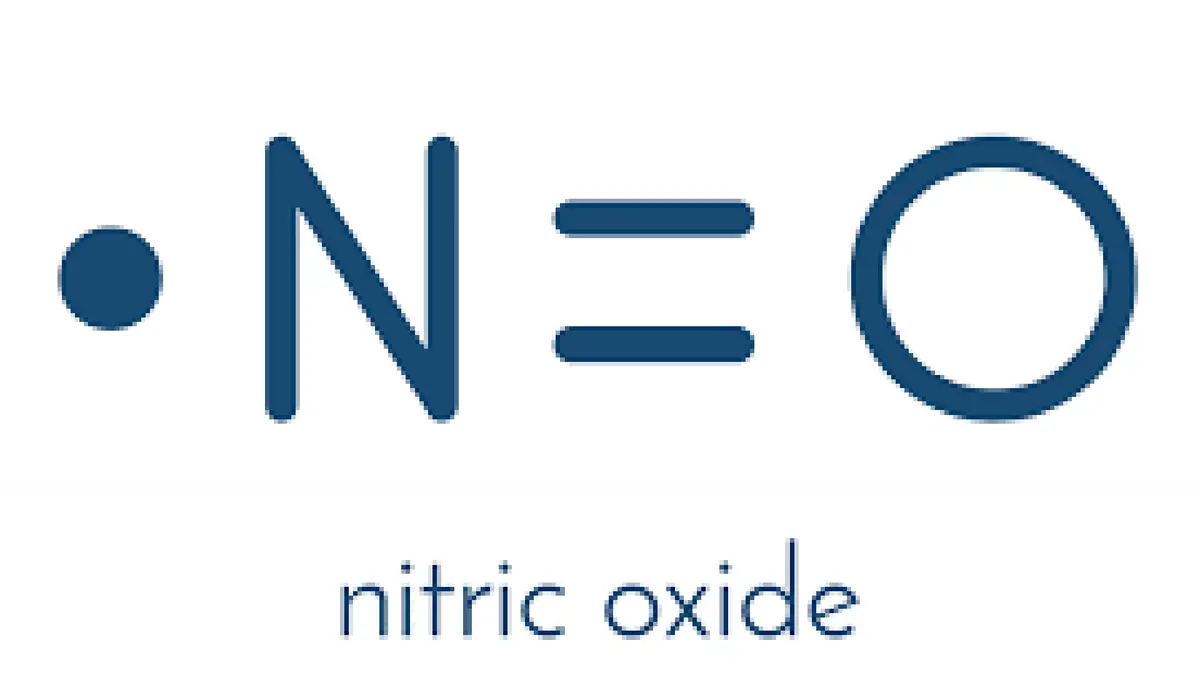
Nitric oxide (NO) is a colourless, reactive gas composed of one nitrogen and one oxygen atom. It is formed when nitrogen and oxygen react at high temperatures or through chemical reactions with nitric acid. In the 17th century Jan Baptista van Helmont prepared the gas, and Joseph Priestley studied it in 1772. In living organisms NO is synthesised from the amino acid L‑arginine by nitric oxide synthase enzymes. Diffusing rapidly, it relaxes smooth muscle in blood‑vessel walls, causing vasodilation and lowering blood pressure. It also acts as a neurotransmitter and helps immune cells kill pathogens. In medicine, low doses of inhaled NO are used to treat pulmonary hypertension in newborns and to improve oxygenation in adults.
Research insights
- High‑dose therapy: In the recent study, researchers delivered high concentrations of nitric oxide gas intermittently to pigs infected with multidrug‑resistant Pseudomonas aeruginosa. Bacterial counts dropped sharply, and lung function and oxygenation improved.
- Mechanism: Nitric oxide damages bacterial cell membranes and DNA. Because it acts on fundamental cellular components, microbes find it difficult to develop resistance.
- Safety concerns: High doses can be toxic; the gas reacts with haemoglobin to form methaemoglobin and with oxygen to produce nitrogen dioxide. Careful dosing and monitoring are essential before clinical use.
- Broader implications: If further trials confirm efficacy and safety, inhaled nitric oxide could offer an alternative therapy against antibiotic‑resistant lung infections.
Nitric oxide thus serves both as a naturally produced signalling molecule and, at higher doses, as a potential antimicrobial agent.
Source: The Hindu