

Why in news?
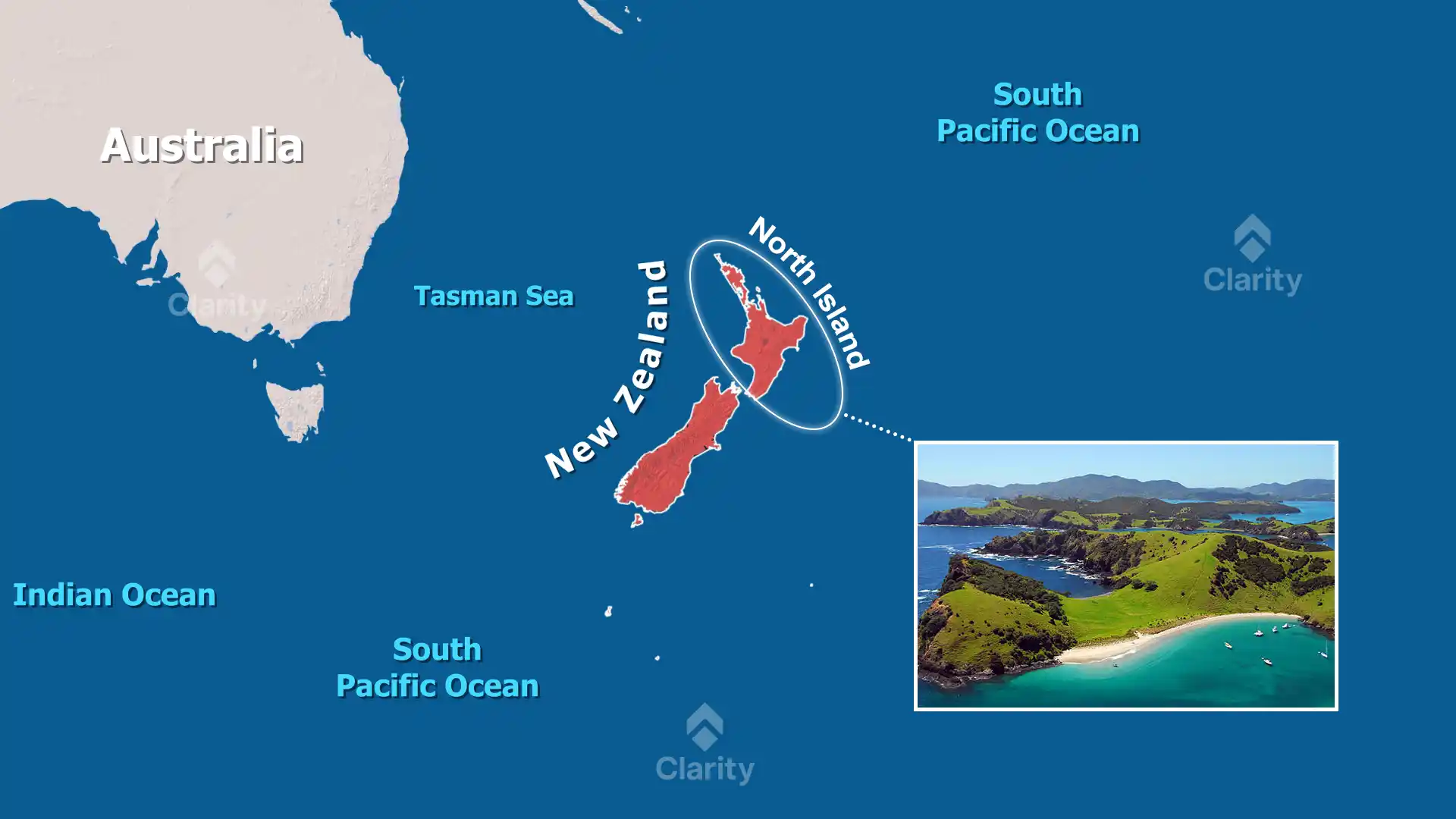
The German Research Centre for Geosciences (GFZ) reported a magnitude 5.5 earthquake that struck New Zealand’s North Island on 9 January 2026. No casualties or significant damage were reported, and authorities did not issue a tsunami warning.
Background
New Zealand lies along the boundary between the Pacific Plate and the Australian Plate, part of the Pacific Ring of Fire where tectonic plates interact and generate frequent earthquakes and volcanic activity. The North Island is one of New Zealand’s two main islands, separated from the South Island by the Cook Strait. It covers about 113,730 km² and is home to more than three‑quarters of the country’s population.
About North Island
- Geography: The island features active volcanic zones and geothermal fields. Notable landforms include Mount Ruapehu (2,797 m), Mount Ngauruhoe and the volcanic Auckland Volcanic Field. The largest lake, Lake Taupō, fills the caldera of an ancient super‑eruption.
- Major cities: Auckland is New Zealand’s largest city and economic hub. Wellington, the capital, lies at the southern tip. Other important urban centres include Hamilton, Tauranga and Rotorua.
- Population and culture: About 77 percent of New Zealanders live on North Island. The island has a rich Māori heritage and hosts major cultural landmarks such as the Waitangi Treaty Grounds.
Significance of the quake
- Reminder of tectonic setting: Even moderate earthquakes highlight the seismic risk that New Zealand faces due to its position on the boundary of two major tectonic plates.
- No major damage: The recent quake caused shaking but no serious injuries or infrastructure damage. New Zealand’s strict building codes and preparedness help minimise casualties during such events.
- Public awareness: Earthquake activity encourages residents to remain vigilant and maintain readiness plans, including emergency kits and structural assessments.
Conclusion
The North Island quake on 9 January 2026 is part of New Zealand’s ongoing seismic history. While it did not lead to major damage, it underscores the importance of continuous monitoring, resilient infrastructure and community preparedness in earthquake‑prone regions.
Sources: India Today