

Why in news?
Reuters reported on 23 September that Indian authorities were investigating imports of organic light-emitting diode television parts by LG and Samsung. An organic light-emitting diode, or OLED, produces light within its display material rather than relying on a separate backlight. The reported dispute concerns whether imported components qualified for a lower customs-duty rate. According to Reuters' sources, the companies used a 5% rate while investigators considered a 15% rate applicable to the OLED parts. Samsung said it was reviewing the matter and cooperating; LG and the investigating agency did not comment to Reuters. The account describes an investigation, not a final finding of evasion. The technical distinction matters because tariff concessions apply to defined goods, not merely to everything sold as a television component.
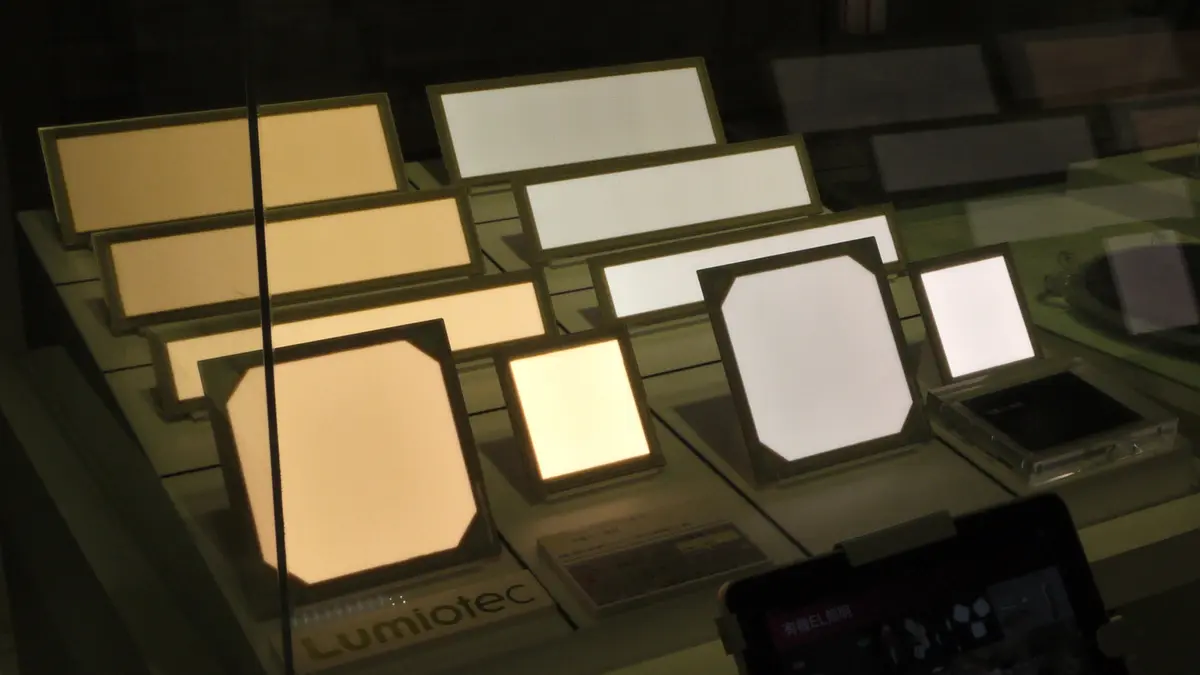
A display that produces its own light
In an OLED, thin organic semiconductor layers lie between electrical contacts called electrodes. “Organic” here refers to carbon-based compounds; it does not mean that the screen contains living tissue. When current passes through the structure, the materials emit light. At least one side must allow that light to leave the device. The choice of materials helps determine the colour and performance of the light produced.
A television image is made from many tiny picture elements, or pixels. Controlling the light from those elements produces changes in brightness and colour across the screen. Different OLED architectures arrange the light-emitting materials and colour-producing components differently. The essential point is self-emission: the display's light originates in the emitting structure itself. It does not require a separate lamp to shine through a liquid-crystal layer.
How this differs from a liquid-crystal display
A liquid-crystal display, or LCD, does not generate its own illumination. It uses a backlight, while the liquid-crystal layer controls how much light passes through. Colour filters and other components help form the visible image. Many televisions use light-emitting diodes (LEDs) for that backlight and are marketed as “LED TVs”. The presence of those diodes does not make the liquid-crystal panel an OLED panel. Similar product labels can therefore conceal quite different physical structures.
This difference is visible in how dark parts of an image are produced. An OLED pixel can stop emitting light where black is required. An LCD must control light arriving from behind the image-forming layer. Backlight design and local dimming can improve an LCD's contrast, but the basic arrangement remains different. Contrast describes the difference between dark and bright parts of an image; it is not the same measurement as peak brightness.
Removing a separate backlight can support thin display designs. Some OLED products can also use flexible substrates, the supporting material on which their layers are formed. Flexibility is a design possibility, not a property of every finished OLED television. Glass, protective layers, wiring and the surrounding product structure all matter. A rigid television and a foldable device may share the same broad light-emission principle while using different engineering arrangements.
Why materials and protection matter
The United States Department of Energy's technical work explains that moisture and oxygen can damage OLED materials. Protection against these substances is called encapsulation. A protective enclosure or barrier must allow the product to function while limiting environmental exposure. If the barrier fails, defects such as dark spots can develop. This makes manufacturing quality and long-term sealing important alongside the initial brightness or colour of the panel.
Organic light-emitting materials also change with use and operating conditions. Technical testing examines light output, colour changes and failure under stresses such as heat and humidity. Such studies explain the mechanisms manufacturers must manage. Results from an older lighting panel should not be treated as the measured lifetime of a current television. Different materials, driving systems and protection methods can produce different performance. A technology label alone cannot certify durability.
Energy use requires similar care. A self-emissive display's demand depends partly on what it is showing and how brightly it is driven. System electronics, screen size and operating settings also contribute. It is therefore too broad to say that every OLED product always consumes less electricity than every LCD alternative. A meaningful product comparison needs measurements under comparable conditions. The underlying physics explains possible advantages, but it does not replace an actual test.
From technical description to customs classification
Customs officials classify imported goods according to the applicable tariff and any exemption conditions. An unfinished component, an assembled display module and a complete television need not have identical treatment. The relevant questions include what was imported, its technical construction and which concession was claimed. Marketing terminology is not sufficient to resolve those questions. A component described commercially as an “open cell” must still satisfy the legal description attached to the claimed rate.
The Directorate of Revenue Intelligence is India's agency for investigating customs-related intelligence and offences, including commercial fraud. Its inquiry is separate from a consumer assessment of display quality. A technically advanced product can still raise a classification dispute, while a classification dispute does not prove poor technology. Likewise, an allegation about imports is not a finding that every product or transaction of the companies concerned was unlawful.
The reported investigation illustrates why technical and legal evidence must be read together. Investigators may examine documents and the physical characteristics of the imported parts. The companies can present their understanding of the applicable classification and concession. The eventual outcome depends on that process, not on the difference between two headline percentages alone. The report did not establish a final tax demand or a concluded adjudication.
Conclusion
OLED technology produces light within the display, which distinguishes it from an LCD using a separate backlight. That difference is central to understanding why television components can fall into a customs-classification dispute. The September report identifies an ongoing inquiry, with the companies' liability still unresolved. Technical specifications explain what the components are; the applicable tariff rules and evidence determine how their imports should be treated.