

Why in news?
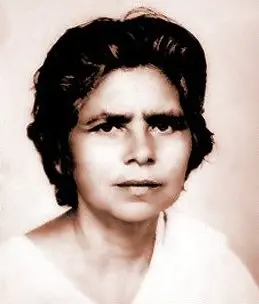
Prime Minister Narendra Modi paid tribute to Parbati Giri on the occasion of her 100th birth anniversary. In his message he remembered her role in the Quit India movement and praised her lifelong dedication to social welfare. The centenary commemoration has brought renewed attention to her contributions, particularly among younger generations.
Background
Parbati Giri was born on 19 January 1926 in Odisha. As a teenager she joined Mahatma Gandhi’s call for the Quit India movement and became known as the “Mother of Orphans”. She travelled from village to village organising protests and raising awareness against British rule. Arrested at just 16, she spent almost two years in jail. After India gained independence she did not withdraw from public life. Instead she focused on social work – establishing orphanages and schools, assisting women and tribal communities, and promoting health and education in rural areas. Her institute, Kasturba Gandhi Matruniketan, provided shelter and education to destitute women and children. Parbati Giri remained unmarried and dedicated her entire life to humanitarian causes until her death in 1995.
Key contributions
- Freedom struggle: Played an active role in the Quit India movement by mobilising villagers, distributing literature and facing imprisonment.
- Social reformer: Established homes for orphans and destitute women, including the well‑known Kasturba Gandhi Matruniketan and Dr. Santra Bal Niketan, to provide shelter, education and vocational training.
- Healthcare advocate: Worked with tribal communities on hygiene, maternal health and child nutrition, often accompanying doctors to remote areas.
- Education and empowerment: Encouraged girls’ education, ran adult literacy programmes and emphasised self‑reliance through cottage industries.
Significance
- Role model: Parbati Giri’s life demonstrates how grassroots activism and compassion can bring lasting change. Her early courage and later humanitarian work continue to inspire.
- Women’s empowerment: By dedicating her life to women and children, she highlighted the importance of gender equality and social inclusion long before it became mainstream policy.
- Preserving history: Commemorating her centenary ensures that students preparing for examinations learn about lesser‑known freedom fighters from Eastern India.
Conclusion
Remembering Parbati Giri on her birth centenary reminds us that India’s independence was achieved by countless unsung heroes. Her life of activism and charity sets an example for public service, and her message of empathy remains relevant today.
Sources: DD News