

Why in news?
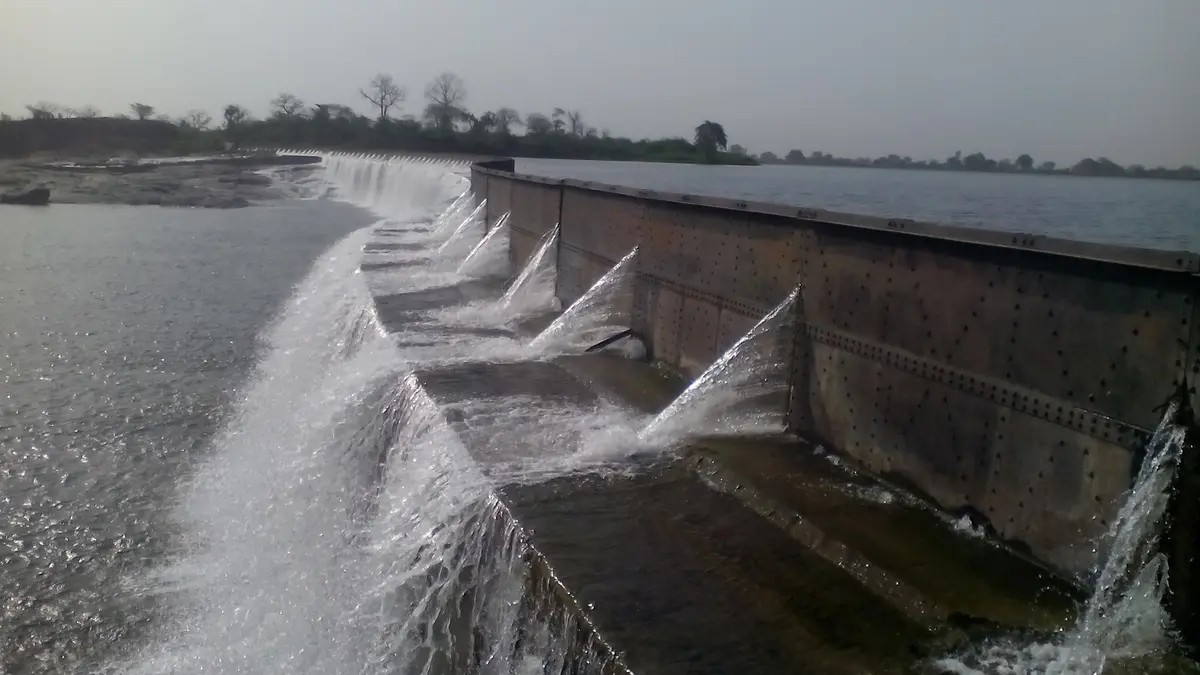
The International Commission on Irrigation and Drainage selected Parichha Dam as a World Heritage Irrigation Structure. The 140-year-old working structure stands across the Betwa River near Parichha town in Jhansi district. It supports the Betwa Canal System and serves parts of drought-prone Bundelkhand.
Uttar Pradesh’s Irrigation and Water Resources Department received the selection letter on 13 August 2026. The plaque is due at the commission’s October meetings in Marseille, France. This is professional recognition by the commission. It is separate from the United Nations Educational, Scientific and Cultural Organization’s World Heritage List. The recognition highlights the dam’s engineering history and its continuing public use.
Where the structure is located
Parichha lies about 25 kilometres from Jhansi city in southern Uttar Pradesh. The site sits within Bundelkhand, a rocky plateau region shared with northern Madhya Pradesh. Rainfall is seasonal and often unreliable. Hard rock, shallow soils and high summer heat increase water stress. Stored monsoon water is therefore central to farming and settlement security.
The Betwa rises in the Vindhyan uplands near Bhopal in Madhya Pradesh. It flows north-east across the plateau and enters Uttar Pradesh. The river later joins the Yamuna near Hamirpur. It is part of the Ganga basin. Dams and canals along its course serve agriculture, towns and power generation across both states.
How Parichha developed
Captain Strachey proposed a Bundelkhand canal system in 1855. Survey and design work continued before construction began at Parichha in 1881. The structure became operational in 1886. It was built as a weir or low dam for river diversion and storage. Its purpose was practical irrigation rather than monumental display.
Current reports describe a structure about 1,174 metres long and 16.8 metres above the riverbed. It uses 318 steel gates to regulate releases. Storage capacity has reportedly increased from about 1,700 million cubic feet to about 2,400 million cubic feet. These operating figures come from the state department’s account of the selection.
The later Dhukwan Weir provides subsidiary storage upstream on the same river. Matatila and Rajghat dams also influence the modern Betwa system. Together, these structures changed the original operating setting. Water now moves through a linked network rather than one isolated dam. Management must consider irrigation timing, flood flows, power needs and downstream users.
Why it matters to Bundelkhand
The Betwa Canal System carries water towards farms in Jhansi, Jalaun and Hamirpur districts. Parichha also benefits areas near the Uttar Pradesh–Madhya Pradesh boundary. Its value comes from dependable diversion during crop seasons. It supports both rabi and kharif agriculture. The reservoir also supplies the nearby Parichha Thermal Power Project.
Bundelkhand regularly experiences rainfall uncertainty and drought. Irrigation can protect harvests when monsoon distribution fails. However, canal benefits depend on maintenance and fair allocation. Head-reach farmers can otherwise capture more water than tail-end villages. Accurate schedules, field channels and local participation are as important as the main structure.
What the heritage programme recognises
The International Commission on Irrigation and Drainage was established in 1950. It is an international professional body focused on irrigation, drainage and water management. Its heritage programme began after a 2012 proposal. The programme records historic structures and shares engineering lessons. It also encourages attention towards continuing maintenance and public understanding.
Eligible structures are normally more than 100 years old. They may include dams, tanks, barrages, canals, drainage works and older lifting devices. Recognition can reflect a technical milestone, long service or a wider contribution to agriculture. The selected structure enters the commission’s heritage list and receives a plaque. The owner remains responsible for operation and safety.
The programme differs from United Nations Educational, Scientific and Cultural Organization (UNESCO) protection. An irrigation structure may need technical changes to keep serving people safely. The commission’s rules accept that continuing use can require adaptation. Conservation should protect important historical features without freezing the system. Every major alteration still needs engineering assessment, records and respect for heritage value.
Heritage and dam safety must work together
Age creates both value and responsibility. Operators must inspect masonry, gates, foundations and downstream scour. Sediment can reduce storage and alter flood behaviour. Catchment erosion adds further pressure. Modern monitoring should document seepage, deformation and gate performance. Emergency plans must reach settlements and power facilities below the dam.
Climate change increases uncertainty around extreme rain and long dry periods. Old design assumptions may not cover every future condition. Engineers should update hydrological studies without casually replacing original features. Controlled repairs can preserve service and historic character together. Public release of safety information can also strengthen confidence around an operating heritage structure.
Recognition is not a UNESCO listing
The World Heritage Irrigation Structure programme belongs to the International Commission on Irrigation and Drainage. It highlights historic water engineering and continued service. UNESCO runs a separate World Heritage Convention. Confusing the two systems overstates the legal meaning of this award.
Conclusion
Parichha’s recognition honours an irrigation work that still serves a water-stressed region. Its importance lies in endurance, not age alone. The structure links nineteenth-century engineering with present farming and power needs. That continuing role makes careful maintenance essential. Heritage value should increase attention to safety and equitable water delivery.
The award can also improve understanding of Bundelkhand’s water geography. Rivers cross state boundaries, while drought affects whole communities. Cooperation across the Betwa system must therefore accompany local conservation. A plaque will mark the achievement. Strong operation, transparent monitoring and protected catchments will determine its future value.