

Why in news?
The Pashupatinath Temple in Kathmandu, Nepal, made headlines when India gifted 40 kilograms of special sandalwood for rituals at the shrine in May 2026. The gesture highlighted the cultural ties between the two neighbouring countries and renewed interest in the temple’s history.
Background
Pashupatinath is one of the holiest Hindu temples dedicated to Lord Shiva in his form as Pashupati, “Lord of all living beings.” The temple sits on the banks of the Bagmati River just east of Kathmandu. Tradition holds that a shrine has existed on the site since at least the 5th century BCE. The earliest documented temple was built in 400 CE, but it was destroyed and rebuilt several times.
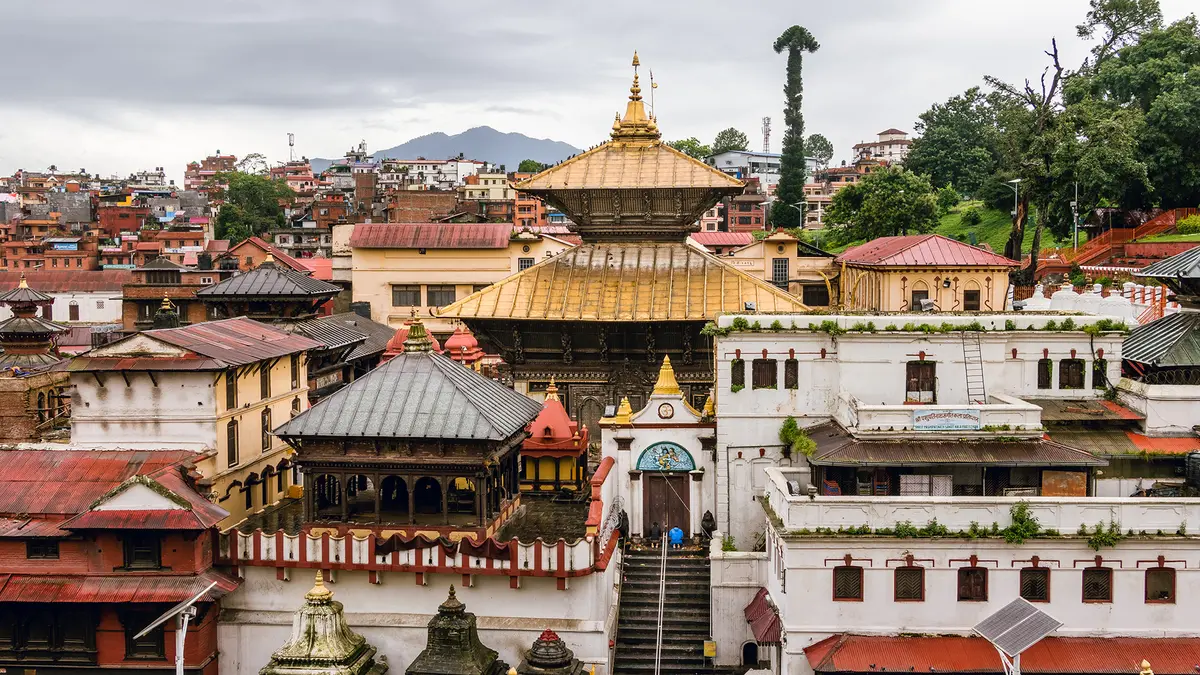
The present pagoda‑style temple dates from the 15th century when wooden structures were replaced with stone and metal. Its two‑tiered roof is sheathed in copper and gold, and the four entrance doors are covered with silver plates. Inside the sanctum lies a black stone lingam with four faces of Shiva pointing in different directions. A huge brass statue of Nandi, Shiva’s bull mount, faces the main entrance. The temple complex contains more than 500 shrines and is part of the UNESCO‑listed Kathmandu Valley World Heritage Site (designated in 1979).
Religious and cultural significance
- Pilgrimage: Pashupatinath is a major pilgrimage site for Hindus from Nepal, India and beyond. The festival of Maha Shivaratri in late winter draws hundreds of thousands of devotees.
- Cremation rituals: The Bagmati River ghats adjacent to the temple are used for open‑air cremations. Many Hindus believe that dying or being cremated here ensures liberation of the soul.
- Architecture: The multi‑storey pagoda with gilded roofs and intricate wood and metal carvings is an example of the Newar architectural tradition of the Kathmandu Valley.
- Access: Only practising Hindu men may enter the inner sanctum; non‑Hindus can view the temple from the opposite bank of the river.
Conclusion
Pashupatinath Temple is both a sacred religious centre and an architectural treasure. India’s gift of sandalwood underscores the cultural bonds between Hindus across borders and the continuing importance of this centuries‑old shrine.