
Why in news?
The Kerala High Court recently called for a unified authority to oversee the cleanliness of the Periyar River after concerns about pollution and fragmented management. The river is vital to Kerala’s water supply, industry and ecology.
Background
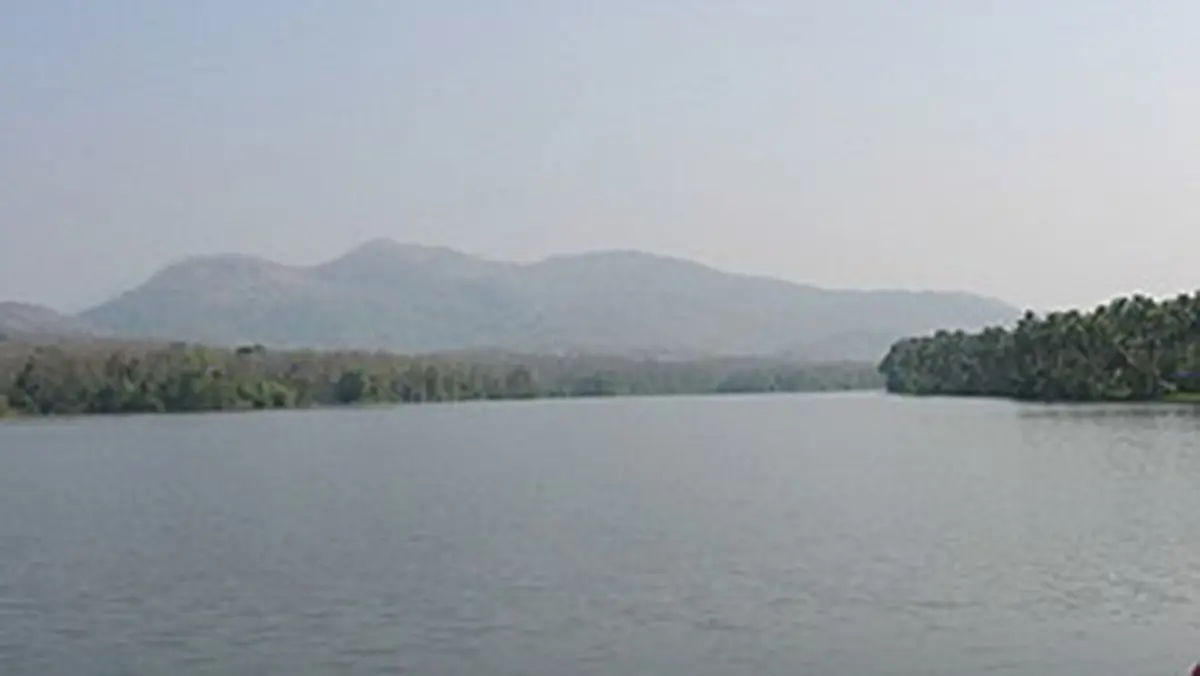
The Periyar is the longest river in Kerala, often called the “lifeline of Kerala” because it supports irrigation, hydropower and drinking water. Rising in the Sivagiri Hills of the Western Ghats near the Tamil Nadu border, it flows north through the Periyar Tiger Reserve into Periyar Lake – an artificial reservoir created by a dam in 1895. From there it travels westward, entering the Vembanad Lake and ultimately emptying into the Arabian Sea north of Kochi. Its course spans about 244 kilometres and drains a catchment of roughly 5 400 square kilometres.
Key facts
- Tributaries: Major tributaries include the Muthirapuzha, Mullayar, Cheruthoni, Perinjankutti and Edamala rivers.
- Dams and power: The Idukki Hydroelectric Project on the Periyar is one of India’s largest arch dams and generates a significant share of Kerala’s electricity. Other dams on the river include Neriyamangalam, Pallivasal, Panniyar, Kundalam and Mullaperiyar.
- Industries: About one‑quarter of Kerala’s industries are located along its banks. Pollution from industry, agriculture and urban areas threatens water quality and aquatic life.
- Cultural significance: The philosopher Adi Shankaracharya was born at Kalady on the Periyar’s banks. Several temples and pilgrimage sites are situated along the river.
Conclusion
Protecting the Periyar is essential for Kerala’s environmental and economic wellbeing. Coordinated management, pollution control and conservation of its forests and wetlands will help ensure that the state’s longest river continues to sustain life for generations.