

Why in News?
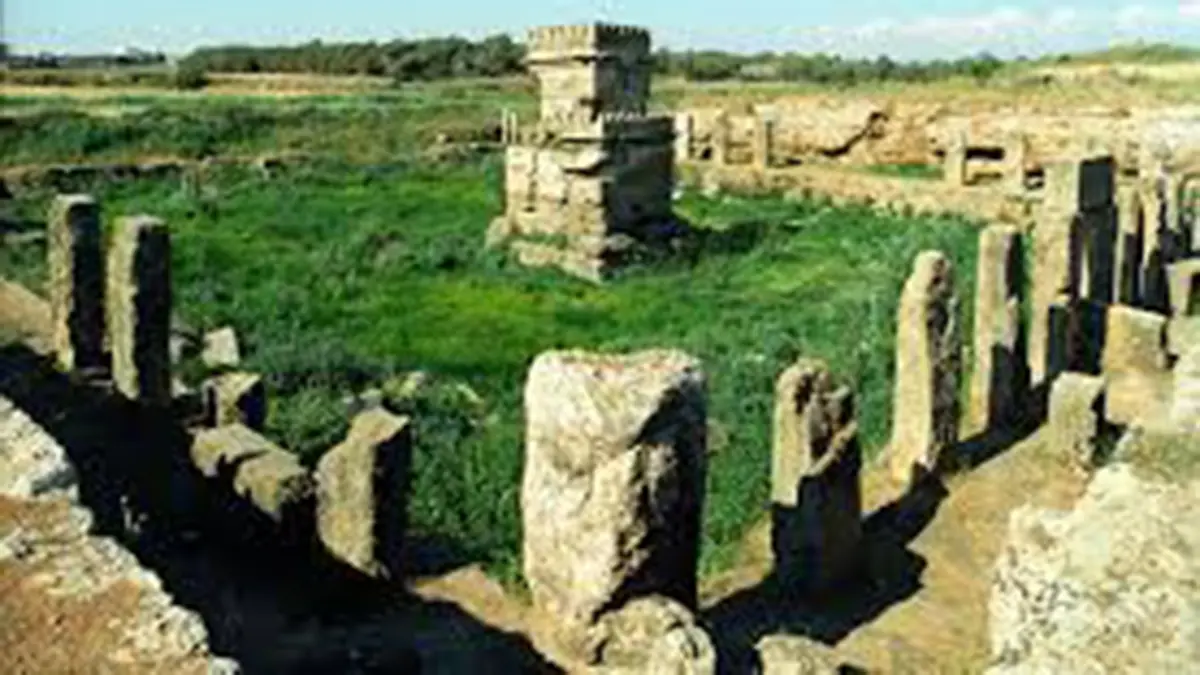
Archaeologists excavating at the Nuragic complex of Ruinas in Sardinia unearthed a small scarab amulet dating to the Iron Age. The artefact originated in ancient Phoenicia and is thought to have travelled over 2,000 km to reach the island, highlighting extensive Mediterranean trade networks.
Background: Ancient Phoenicia
Phoenicia was an ancient maritime civilisation that occupied the eastern Mediterranean coast – roughly modern Lebanon – from about 3000 BCE until its absorption by the Roman Empire. Phoenicians were renowned seafarers and merchants.
- Geography and People: Phoenicia stretched along the Levantine coast and its people, speaking a Semitic language similar to Hebrew, lived mainly in city‑states such as Tyre, Sidon and Byblos.
- Trade and Craftsmanship: The Phoenicians built sturdy ships and established trading posts across the Mediterranean. They exchanged timber, textiles, purple dye, wine and crafted goods such as ivory carvings and metalwork. They also invented or perfected glassblowing.
- Writing System: Their 22‑letter alphabet influenced the Greek and Latin alphabets. This simple, phonetic script allowed easier record‑keeping and spread widely through trade.
- Colonies and Influence: Phoenicians founded colonies, the most famous being Carthage in North Africa. Over centuries they came under the control of larger empires: Egypt, Assyria, Babylonia, Persia and finally Alexander the Great in 332 BCE. Rome annexed the region in 64 BCE.
The Sardinian Scarab
- Description: The scarab is carved from steatite, a soft stone commonly used in Phoenician amulets and seals. Scarabs served both as personal seals and protective charms.
- Discovery Context: It was found in a domestic area of the Ruinas site, far from Sardinia’s coast, suggesting it was part of everyday life rather than a burial offering.
- Significance: The find underscores the breadth of Phoenician trade. Sardinia’s Nuragic culture acquired imported pottery and copper ingots, and this scarab shows that even inland settlements were connected to Mediterranean exchange networks.