
Why in news?
The Madras High Court heard a public interest petition in June 2026 seeking a scientific census of tigers around Berijam Lake inside Kodaikanal Wildlife Sanctuary. Recent tiger sightings and a viral video of three tigers prompted the plea, which also asked for restrictions on tourism and vehicular entry.
Background
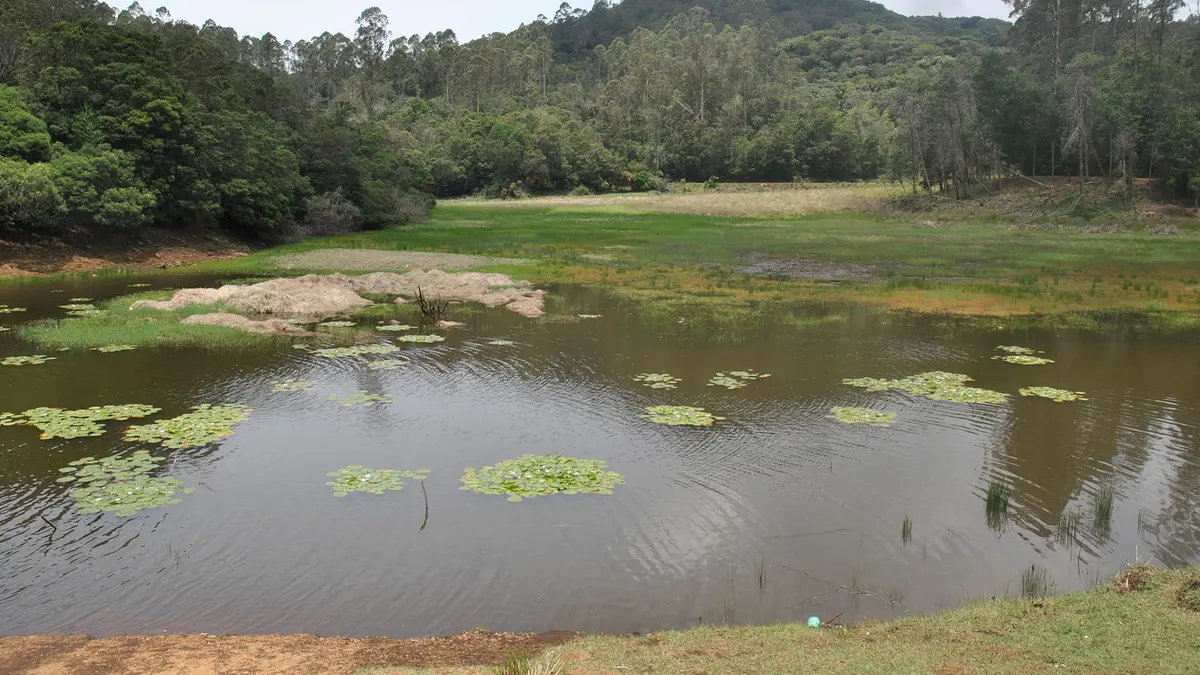
Berijam Lake lies about 21 kilometres from Kodaikanal in Tamil Nadu. The lake forms part of a wildlife corridor linking the Anamalai Tiger Reserve to the Eastern Ghats forests. On 17 May 2026 tourists recorded three tigers near the lake; the forest department subsequently restricted entry. Conservationists argue that the area could qualify as a tiger reserve if a scientific census confirms resident tigers.
Petitioner’s demands
- Tiger census: A request for experts to conduct a detailed census around Berijam Lake to assess the tiger population.
- Restrict tourism: The petition seeks a ban on private vehicles, boating and unregulated tourism until safeguards are in place, as sudden noise and movement can disturb wildlife.
- Conservation plan: Preparation of a scientifically designed plan by wildlife biologists and local authorities to protect the habitat and manage tourism.
Why it matters
- Corridor protection: Berijam is part of a vital ecological corridor used by tigers and other mammals. Protecting this link will aid genetic diversity and movement between reserves.
- Human–wildlife conflict: Curbing unregulated tourism reduces the chance of accidents, road kills and conflicts with wildlife.
- Legal compliance: The Wildlife (Protection) Act requires states to notify areas with resident tigers as reserves. A census will provide evidence for the notification.
Conclusion
The petition on Berijam Lake reflects growing awareness about conserving fragile habitats in popular tourist spots. A careful balance between tourism and conservation can help protect tigers while supporting local livelihoods. Scientific surveys and community involvement will guide future actions.