
Why in news?
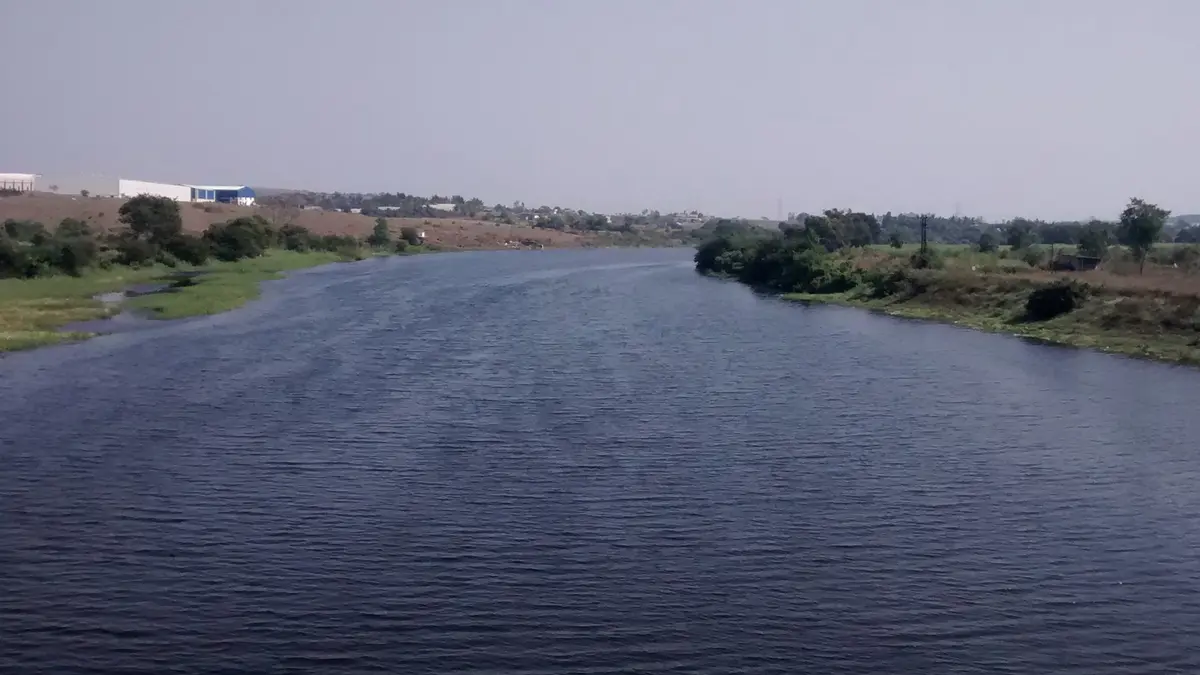
Residents of Alandi near Pune have reported thick foam and dead fish in the Indrayani River. Images of the pollution have gone viral, prompting calls for urgent action from government authorities and environmentalists.
Background
The Indrayani River originates at Kurvande village near Lonavala in Maharashtra and flows eastward to join the Bhima River near Dehu. The river holds religious significance for followers of Sant Tukaram and Sant Dnyaneshwar, who lived along its banks. It supports agriculture, fisheries and provides drinking water to several towns.
For years the Indrayani has suffered from untreated domestic sewage, industrial effluents and waste from religious activities. Towns like Lonavala, Talegaon and Pimpri‑Chinchwad discharge large volumes of wastewater into the river. Activists blame the failure of sewage treatment plants and lax enforcement of pollution control laws. In 2021 the Maharashtra government announced a ₹670‑crore river rejuvenation project, but progress has been slow. During the summer of 2026, low water levels combined with high organic waste produced thick foam and fish mortality near Alandi.
Key points
- Untreated sewage and industrial effluents are the main causes of pollution in the Indrayani.
- Foam forms when detergents and organic matter mix and oxygen levels fall, leading to fish deaths.
- Delays in commissioning sewage treatment plants have aggravated the problem.
- The river is a tributary of the Bhima River and part of the Krishna basin, so pollution affects downstream communities.
- Citizens’ groups and religious leaders are urging authorities to speed up cleanup efforts and promote public awareness.
Conclusion
The crisis on the Indrayani River underscores the consequences of neglecting basic sanitation and pollution control. Swift completion of treatment plants, stricter monitoring of effluents and community participation are essential to restore this culturally and ecologically important river.