
Why in news?
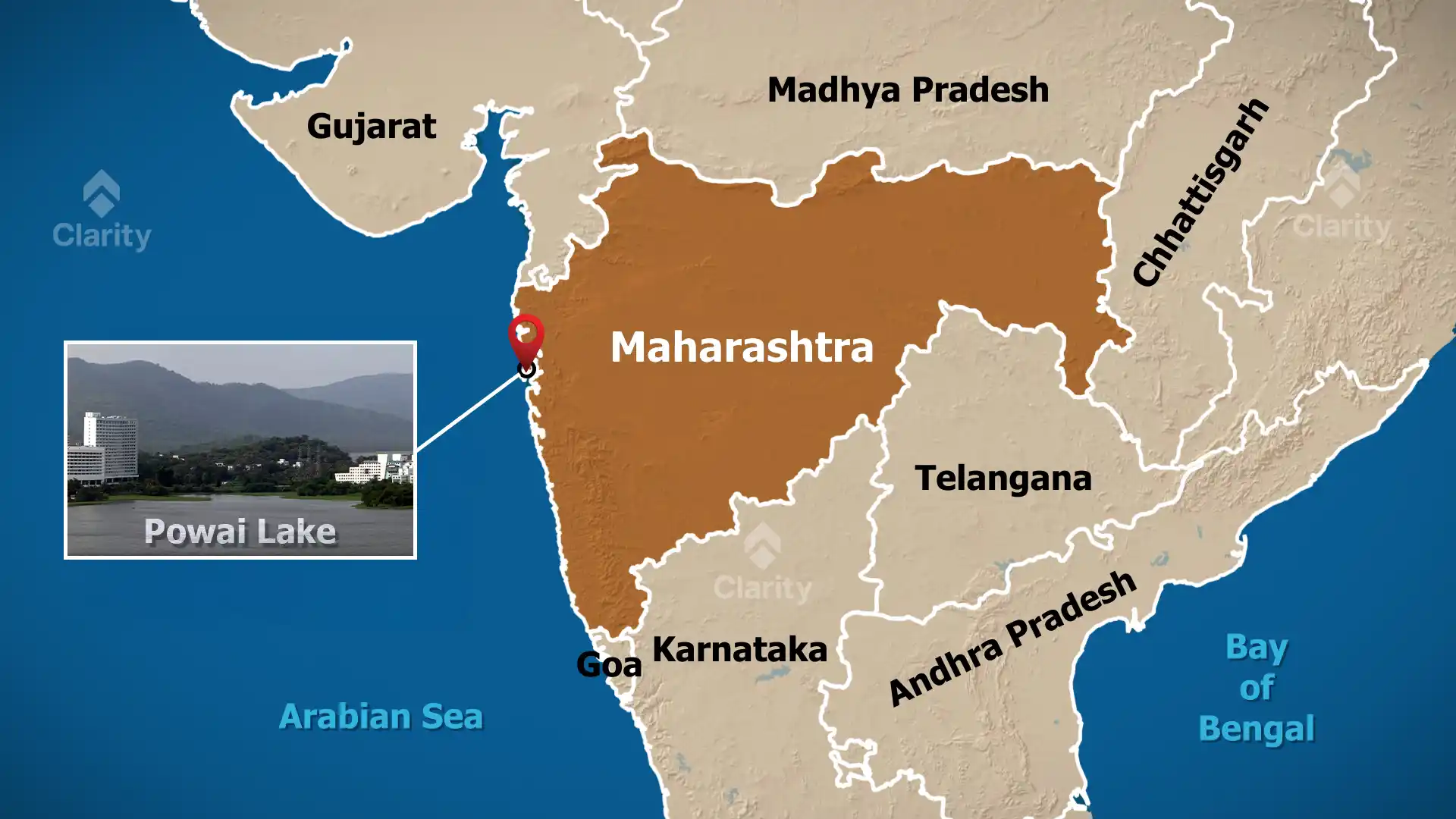
The Brihanmumbai Municipal Corporation (BMC) decided to appoint consultancy firm AECOM Asia to prepare a detailed redevelopment plan for the 1.8‑kilometre promenade along Powai Lake. The decision, announced in mid‑June 2026, allocates about ₹1.85 crore for studies and designs. The promenade, built in 2008, needs restoration due to erosion and damage from nearby infrastructure works.
Background
Powai Lake is an artificial reservoir created in the late nineteenth century to supply drinking water to Mumbai. Located near the Indian Institute of Technology Bombay, the lake covers about 210 hectares and has a catchment of 6.61 square kilometres. Rapid urbanisation and untreated sewage have degraded water quality, leading to thick mats of water hyacinth and algae. Over the past decade citizens’ groups and researchers have called for better management. In 2025 the BMC announced plans to divert 18 million litres of sewage per day through new pipelines and to install an 8 MLD sewage‑treatment plant.
Current proposal and environmental considerations
- Promenade redesign: Engineers will assess structural stability and create barrier‑free walkways, viewing decks and recreational spaces along Adi Shankaracharya Marg.
- Sewage diversion: New pipelines will carry untreated wastewater to existing treatment plants at Bhandup and Kanjurmarg; the proposed plant near Suvarna Mandir will treat 8 MLD.
- Habitat restoration: Plans include removal of invasive hyacinth, desilting and planting native reeds to improve water quality and support marsh crocodiles and birdlife.
- Community input: Residents, environmentalists and researchers will be consulted to ensure the design is sensitive to ecology and cultural heritage.
- Potential Ramsar site: Environmentalists hope Powai Lake could be nominated as a wetland of international importance once sewage inflow is stopped.
Conclusion
Restoring Powai Lake demands a balance between recreation and conservation. The proposed promenade redevelopment, together with sewage diversion and habitat restoration, can transform the lake into a healthy urban wetland. Public participation and strict adherence to environmental norms will be key to the success of this project.