Why in news?
During the Bio‑energy and Bio‑fertiliser Business (BBB) Summit held in May 2026, the Indian Biogas Association released a white paper calling for the mandatory blending of Fermented Organic Manure (FOM) with chemical fertilisers. The paper proposes a phased mandate culminating in a 10 percent blend by 2030. Advocates say the measure will improve soil health, encourage the circular economy around biogas plants and reduce reliance on imported fertilisers.
Background
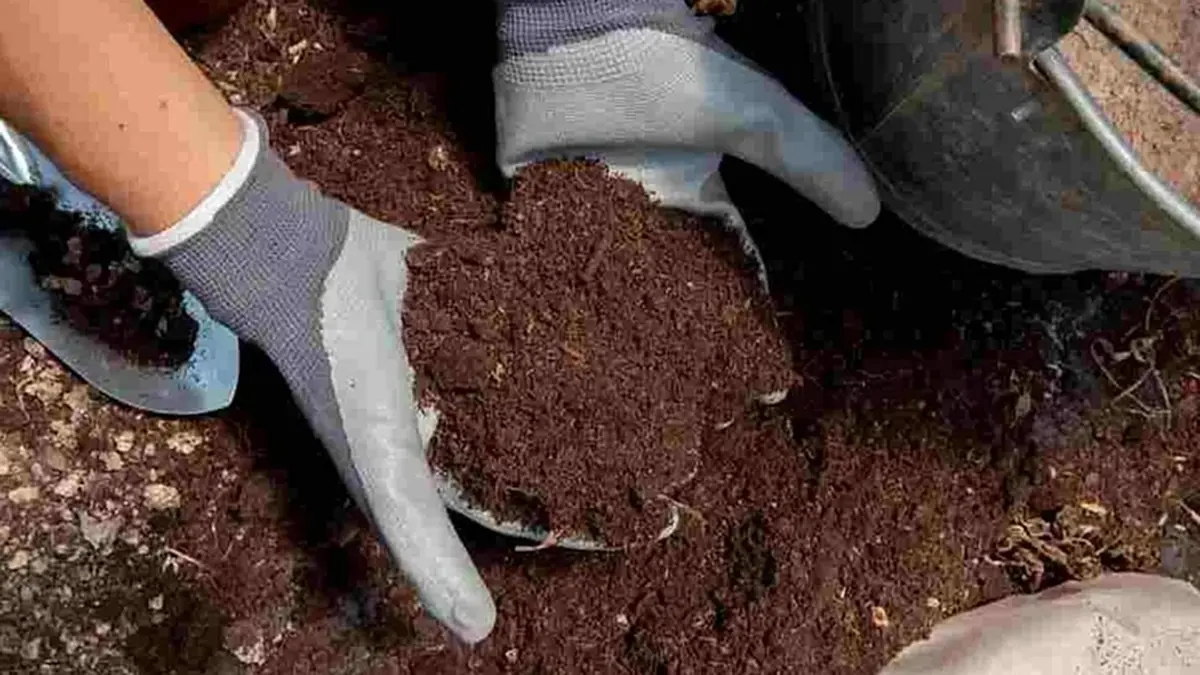
Fermented Organic Manure is the nutrient‑rich residue obtained after anaerobic digestion in biogas or compressed biogas (CBG) plants. Unlike ordinary compost, FOM contains higher levels of nitrogen, phosphorus and organic carbon. It helps restore soil organic matter, improves water retention and fosters beneficial microbes. The 2025 Fertiliser Control Order introduced FOM under the “Organic Carbon Enhancer” category, enabling its sale with quality standards. Despite this, India’s soils remain depleted: average soil organic carbon stands at around 0.4 percent, far below the desirable 0.8–1 percent range. Blending FOM with chemical fertilisers can help reverse this decline while making use of waste from biogas plants.
White paper recommendations
- Phased blending schedule: Mandate minimum blending of FOM at 1 percent in 2026–27, 3 percent in 2027–28, 5 percent in 2028–29 and 10 percent from 2029–30 onward. The aim is to ensure stable demand and full offtake of FOM produced by biogas and CBG plants.
- Integration with existing schemes: Incorporate FOM into the Nutrient‑Based Subsidy (NBS) framework, Soil Health Card (SHC) scheme and Paramparagat Krishi Vikas Yojana (PKVY). Recognising organic carbon as a nutrient parameter will enable balanced fertilisation and fair subsidies for FOM.
- Launch SuBiCulP programme: The proposed Sustainable Biogas‑Organic Fertiliser Based Cultivation Programme (“SuBiCulP se Samriddhi”) would coordinate the supply chain, link biogas plants with farmers and develop regional nutrient management plans. It aims to create a circular ecosystem linking renewable energy generation with soil health.
- Research and extension: Encourage the Indian Council of Agricultural Research and State Agricultural Universities to develop region‑specific application protocols and improve formulations. Multilingual extension services, quality certification and decentralised testing labs will support farmer adoption.
- Expected benefits: The association estimates that 10 percent blending could save India about US$2 billion in fertiliser import costs annually. It would also improve soil structure, reduce chemical dependency and contribute to climate resilience.