
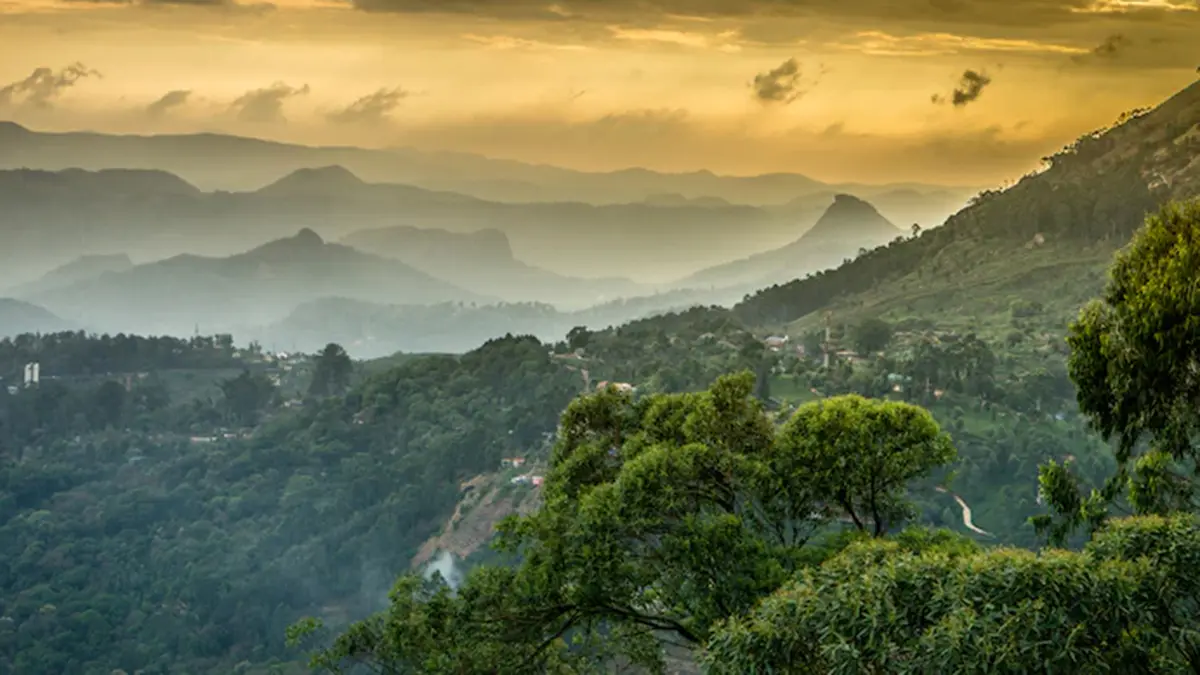
Why in news?
Reports in June 2026 indicated that India’s environment ministry plans to notify about 56,000 square kilometres of the Western Ghats as an Ecologically Sensitive Area (ESA). The proposed notification, based on recommendations by expert committees, has been pending for over a decade.
Background
The Western Ghats is a 1,500‑kilometre mountain chain running from Gujarat to Tamil Nadu. It harbours rich biodiversity and provides water to millions of people, but logging, mining and development threaten its forests. In 2011 the Western Ghats Ecology Expert Panel (Gadgil committee) advised declaring the entire region (about 129,000 sq km) an ESA with graded restrictions. States opposed the sweeping proposal, so the Kasturirangan committee in 2013 recommended protecting around 60,000 sq km of natural landscapes while allowing sustainable development elsewhere. Draft notifications issued in 2014 and later years demarcated around 56,825 sq km across six states (Kerala, Karnataka, Goa, Maharashtra, Gujarat and Tamil Nadu).
Key points
- Scope: The latest proposal aims to finalise the ESA boundaries covering roughly half of the Western Ghats. It focuses on areas with high forest cover, endemic species and fragile ecosystems.
- Restrictions: Within the ESA, new mining leases, polluting industries, thermal power plants and large construction projects would be prohibited. Agriculture, plantations and existing settlements may continue with safeguards.
- Consultation: State governments have expressed concerns about impacts on livelihoods and development projects. The centre has extended deadlines and formed committees to reconcile scientific recommendations with local needs.
- Need for balance: The Western Ghats is recognised as a UNESCO World Heritage site and one of eight “hottest” biodiversity hotspots. Protecting its forests is essential for water security, climate regulation and species survival. However, conservation measures must also consider the rights and welfare of forest‑dwelling communities.
Conclusion
The proposed ESA for the Western Ghats seeks to reconcile conservation with development. Clear boundaries, community participation and scientific guidance will be crucial to protect the mountains’ ecological treasures while supporting sustainable livelihoods.