

Why in news?
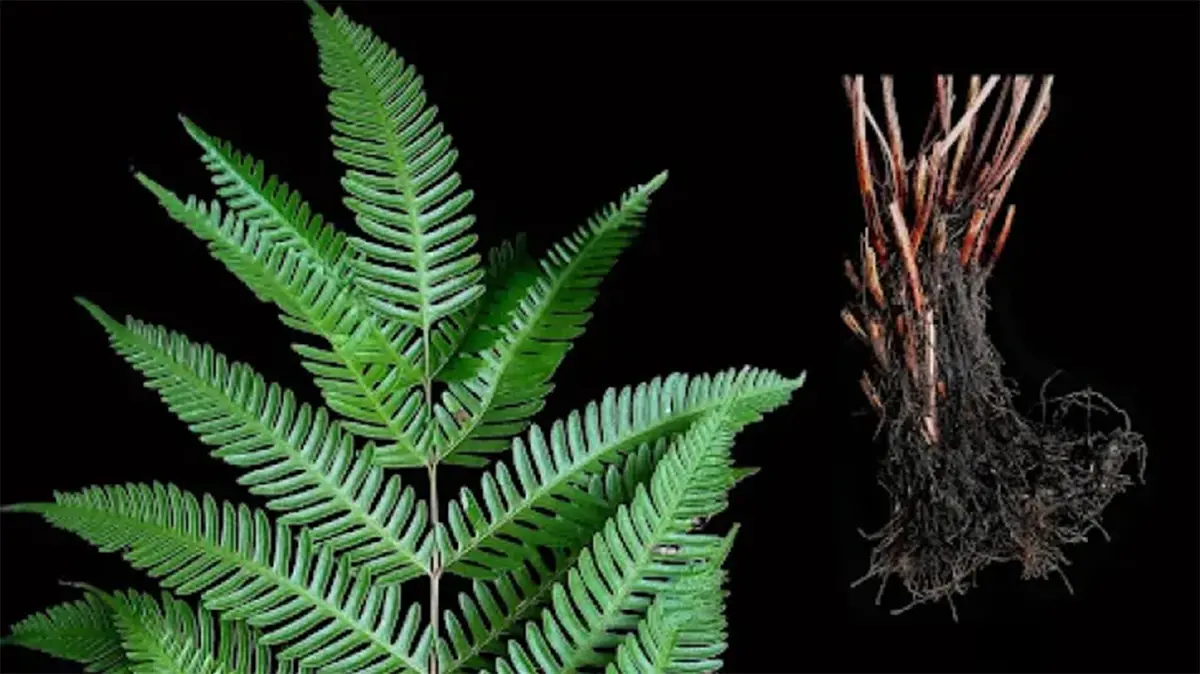
Researchers described Pteris madhusoodananii as a new fern species from Tamil Nadu. The paper appeared in the Nordic Journal of Botany.
How the species was identified
The fern belongs to the family Pteridaceae. Researchers compared leaf texture, colour, branching patterns and the arrangement of smaller leaf divisions. They examined spores through scanning electron microscopy. Molecular phylogeny tested the fern’s relationship with recognised species.
A phenetic analysis used twenty quantitative variables and principal component analysis. These independent methods supported the proposed taxonomic distinction.
Geographic setting
Kolli Hills rise in Namakkal district within Tamil Nadu’s Eastern Ghats. The hill landscape reaches about 1,200 metres in elevation. The Eastern Ghats are discontinuous highlands along peninsular India’s eastern side. Their isolated habitats can support locally restricted species.
Roads, farms, settlements and forest patches share the Kolli landscape. A narrow distribution can therefore make a species sensitive to small habitat changes.
Conservation meaning
The authors found a restricted area of occupancy and narrow endemicity. They proposed a preliminary Critically Endangered assessment under International Union for Conservation of Nature criteria.
This is an author assessment, not an official Red List entry. Formal listing requires the organisation’s Red List assessment process.
Further surveys should establish population size, seasonality and additional localities. Herbarium records and habitat monitoring would support later reassessment.
Conservation plans should record shade, moisture and host vegetation around known plants. Protecting this microhabitat may matter more than isolated transplantation.
Taxonomic descriptions normally preserve type material in recognised collections. Such vouchers let later researchers recheck morphology, identity and molecular results.
Threats should be observed rather than assumed from rarity alone. Field teams must document disturbance, reproduction and recruitment across several seasons.
Exact locality data may need careful handling for a threatened plant. Researchers can share enough information for review without encouraging collection pressure. Sensitive records should remain available to authorised conservation agencies and qualified researchers under clear access safeguards.
Newly described does not mean newly evolved
The fern may have existed unnoticed for a long time. Taxonomy records biological distinctness; it does not date the species’ origin.
Conclusion
The discovery adds to Eastern Ghats plant diversity. It also shows why taxonomic work and local habitat surveys must proceed together.