

Why in news?
During Prime Minister Narendra Modi’s visit to Bhutan in November 2025, the 1,020 MW Punatsangchhu‑II hydropower project was jointly inaugurated by the leaders of India and Bhutan. The project had reached full capacity in August 2025 and is a key milestone in bilateral energy cooperation.
Background
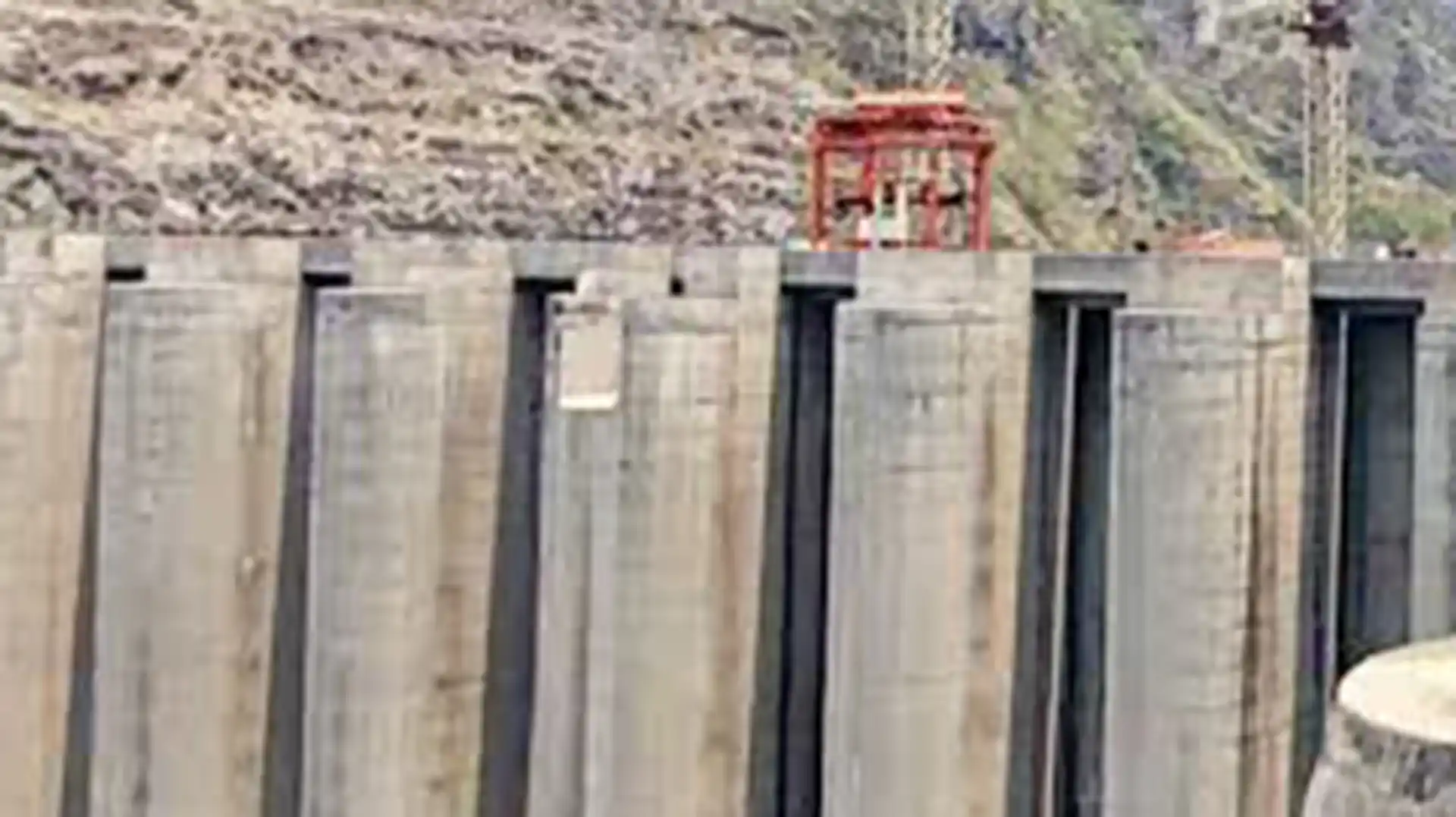
The Punatsangchhu‑II project is a run‑of‑the‑river hydroelectric scheme on the Punatsangchhu River in western Bhutan. Located about 20 km downstream of the Wangduephodrang bridge, it features a 91 metre‑high gravity dam and an underground powerhouse at Kamechu roughly 15 km downstream. Six vertical Francis turbines, each rated at 170 MW, generate a total capacity of 1,020 MW.
The project was implemented by the Punatsangchhu‑II Hydroelectric Project Authority (PHPA‑II), an autonomous body established by the governments of India and Bhutan. Construction began in December 2010. India funded the project through a 30 percent grant and a 70 percent loan. Electricity generated will be supplied to Bhutan and exported to India, strengthening the countries’ economic ties.
Commissioning timeline
- Unit commissioning: The first two units were synchronised in December 2024 and January 2025, and the remaining units followed through 2025. The sixth and final unit was synchronised on 27 August 2025, marking completion of the powerhouse.
- Inauguration: On 12 November 2025 Prime Minister Modi and Bhutanese leadership jointly inaugurated the project during Modi’s visit to Bhutan, highlighting India’s “Neighbourhood First” policy and commitment to renewable energy.
- Output: When fully operational the plant will produce around 4,357 gigawatt‑hours of electricity annually.
Features and benefits
- Run‑of‑the‑river design: The project uses the natural flow of the Punatsangchhu River, minimising large reservoirs and reducing social and environmental impacts.
- Engineering highlights: Each 170 MW unit is equipped with high‑head Francis turbines designed for a head of 241 metres—the highest for such turbines in Bhutan.
- Financing model: India’s grant‑plus‑loan financing demonstrates a partnership approach that combines developmental aid with commercial viability. Revenues from electricity exports will help Bhutan finance public services and repay the loan.
- Regional integration: The project strengthens India–Bhutan energy interdependence and provides clean power to India’s north‑eastern grid, supporting energy security and climate goals.
Conclusion
Punatsangchhu‑II exemplifies how cross‑border hydropower projects can deliver mutual benefits. Its successful completion adds another chapter to the long‑standing friendship between India and Bhutan and underscores the potential of renewable energy partnerships in South Asia.
Source: TH