
Why in news?
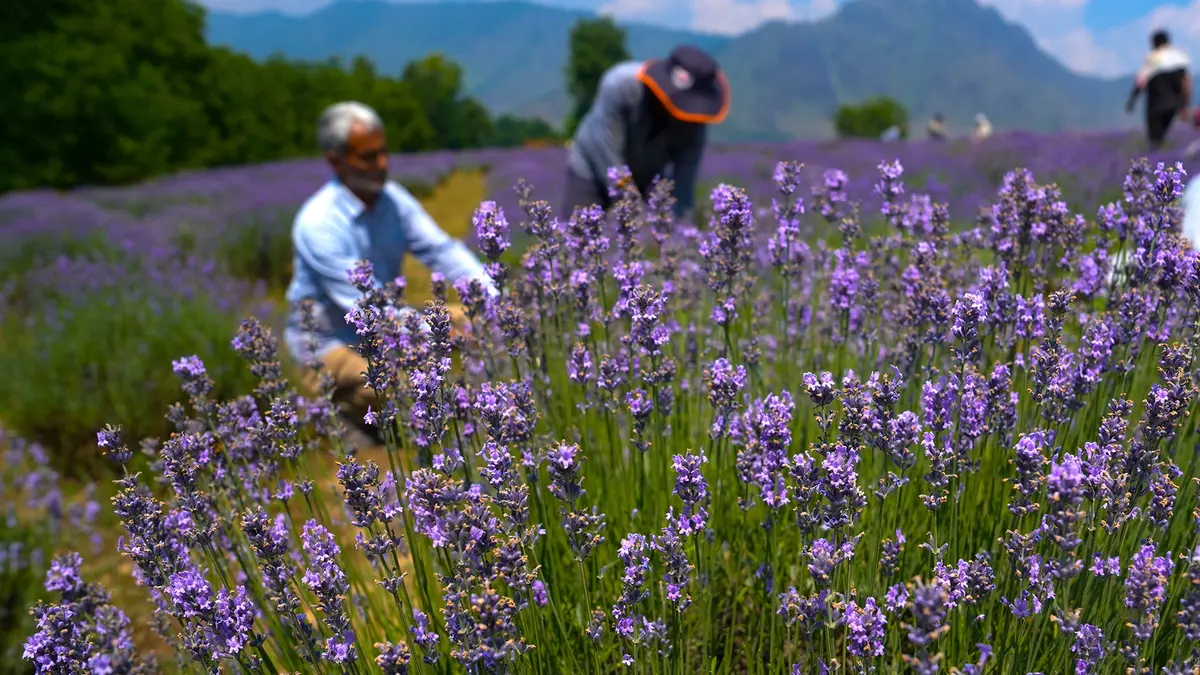
The Council of Scientific and Industrial Research–Indian Institute of Integrative Medicine (CSIR‑IIIM) is hosting the 4th Lavender Festival in Bhaderwah, Jammu, on 6–7 June 2026. The event celebrates the success of the Aroma Mission’s “Purple Revolution”, which has transformed livelihoods through large‑scale lavender cultivation in the region.
Background
The Purple Revolution began under the Ministry of Science & Technology’s Aroma Mission to promote aromatic crops. Scientists from CSIR‑IIIM encouraged farmers in Doda district to shift from low‑value maize to high‑value lavender. Over time more than 5,000 farmers adopted lavender, and distillation units were installed across mountainous villages. Bhaderwah, once known for maize and sparse employment, emerged as India’s “Lavender Capital” as farmers earned significantly higher incomes from essential oil and value‑added products.
Key aspects of the Purple Revolution
- Farmers’ participation: Small farmers and women’s self‑ help groups cultivate lavender on marginal land. Training and input support from CSIR scientists have ensured quality planting material and best practices.
- Processing infrastructure: Portable and stationary distillation units allow growers to extract essential oil close to fields. The oil is sold to perfume and cosmetic industries, while flowers and residue are used for crafts and compost.
- Market linkage and entrepreneurship: The festival brings together farmers, start‑ups and buyers. It showcases soaps, perfumes, teas and other lavender‑based products, encouraging value addition and entrepreneurship. Government agencies support cooperatives and marketing channels to ensure stable prices.
- Socio‑economic benefits: Lavender cultivation has created jobs, slowed migration from hills, empowered women and contributed to Atmanirbhar Bharat by reducing dependence on imported aromatic oils.
Conclusion
The Purple Revolution demonstrates how scientific interventions and community participation can revive rural economies. By expanding aromatic crops and promoting agri‑start‑ups, India can boost farmers’ incomes, generate employment and build a niche export industry in essential oils.