Why in news?
Qom was recently in the news after reports highlighted the activities of Indian Shiʿa seminarian students who set up aid stations to support local residents amid heightened regional tensions. The incident drew attention to Qom’s significant Indian community and the city’s importance as a centre of pilgrimage and learning.
Background
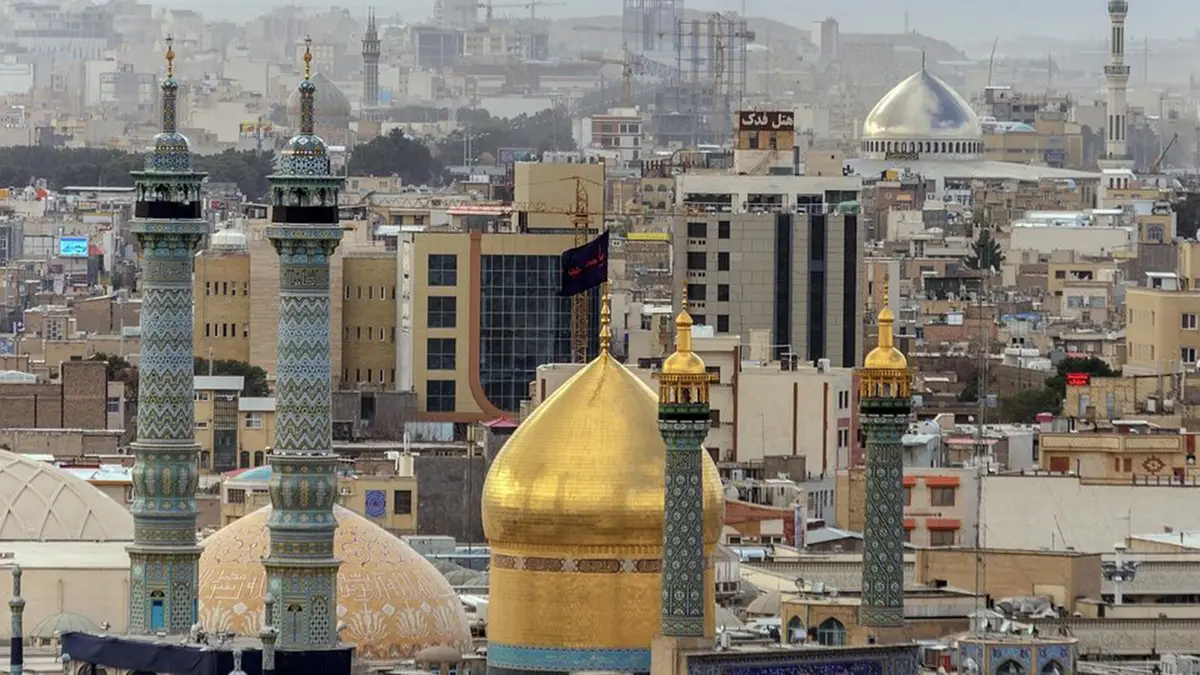
Qom lies on the banks of the Qom River, about 140 kilometres south of Tehran. It is one of the holiest cities in Shia Islam because it houses the shrine of Fatimah bint Musa, the sister of Imam Reza. This shrine, built in the early 9th century, attracts millions of pilgrims every year. The city’s history stretches back to ancient times: Arab armies captured it in 644 CE, and by the 8th century Ashaari Arab families had settled there. A shrine for Fatimah was established after her death in 814 CE, and by the 9th century Qom had become an important centre for Shia scholarship.
Highlights
- Religious centre: Qom hosts one of the world’s largest Shia seminaries and is considered the second holiest city in Iran after Mashhad. The shrine of Fatimah bint Musa is the focal point of pilgrimage, drawing about 20 million visitors each year.
- Indian community: Thousands of Indian students and scholars reside in Qom to pursue religious studies. In May 2026 they organised “Moukebs” (aid stations) that provided water and food to the local population, demonstrating solidarity during a time of tension.
- Cultural heritage: Qom is known for producing sohan, a brittle saffron‑flavoured toffee, and for its handicrafts and religious publications. The city continues to expand as a hub of theological learning and pilgrimage tourism.