
Why in news?
On 26 May 2026 the foreign ministers of Australia, India, Japan and the United States – the grouping known as the Quad – announced plans to jointly develop a port in Fiji. This will be the Quad’s first collective infrastructure project and aims to enhance connectivity and economic resilience in the Pacific Islands.
Background
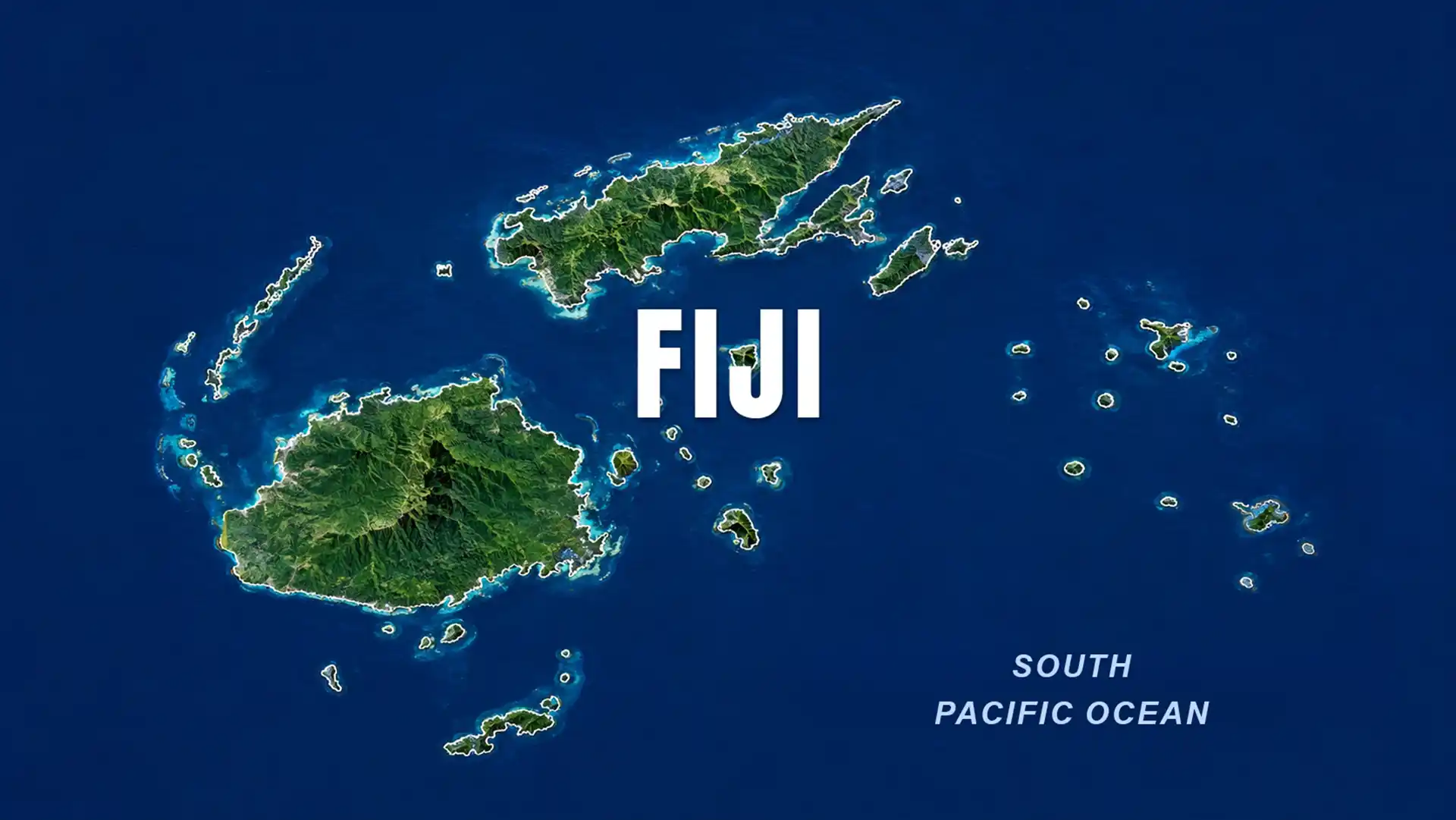
Fiji is a small island nation in the South Pacific Ocean comprising about 322 islands and more than 500 islets, of which roughly 110 are permanently inhabited. The country has an Exclusive Economic Zone of about 1.26 million sq km. Suva is the capital and major languages include English, Fijian and Hindi. Tourism accounts for around 40 percent of Fiji’s GDP, and the population is projected to be about 900,000 in 2025. Given its strategic location, Fiji plays an important role in regional shipping routes and is a focal point for influence between larger powers.
Details of the Quad port initiative
- Addressing capacity gaps: The Pacific Islands suffer from limited port facilities, hindering trade and disaster response. The Quad’s proposed port aims to provide modern infrastructure capable of handling larger vessels and cargo.
- Joint partnership: Australia, India, Japan and the United States will collaborate on planning, financing and construction. Each country brings expertise – Japan and India have experience building ports, while Australia and the U.S. will contribute funding and technical support.
- Complementary initiatives: Alongside the port project, the Quad ministers announced frameworks on critical minerals and Indo‑Pacific energy security to diversify supply chains and reduce dependence on any single country.
- Geopolitical context: The port project comes amid growing competition for influence in the Pacific. China has invested in regional ports under its Belt and Road Initiative. The Quad’s effort signals a commitment to offer high‑quality, transparent infrastructure alternatives.
About Fiji
- Political system: Fiji is a republic. The head of government is Prime Minister Sitiveni Rabuka and the president serves as head of state.
- Society and culture: The population is ethnically diverse, comprising indigenous iTaukei, Indo‑Fijians and other minority communities. Major religions include Christianity, Hinduism and Islam.
- Economy: Besides tourism, Fiji’s economy depends on agriculture (sugarcane, coconuts, kava), fisheries, gold mining and remittances. The country is vulnerable to cyclones and relies on international aid for disaster recovery.
Conclusion
The Quad’s plan to build a model port in Fiji marks a new phase of cooperation among the four countries and demonstrates a willingness to invest in the Pacific region’s infrastructure and resilience. For Fiji, the project could improve trade capacity, create jobs and provide an alternative to other foreign investments.