
Why in news?
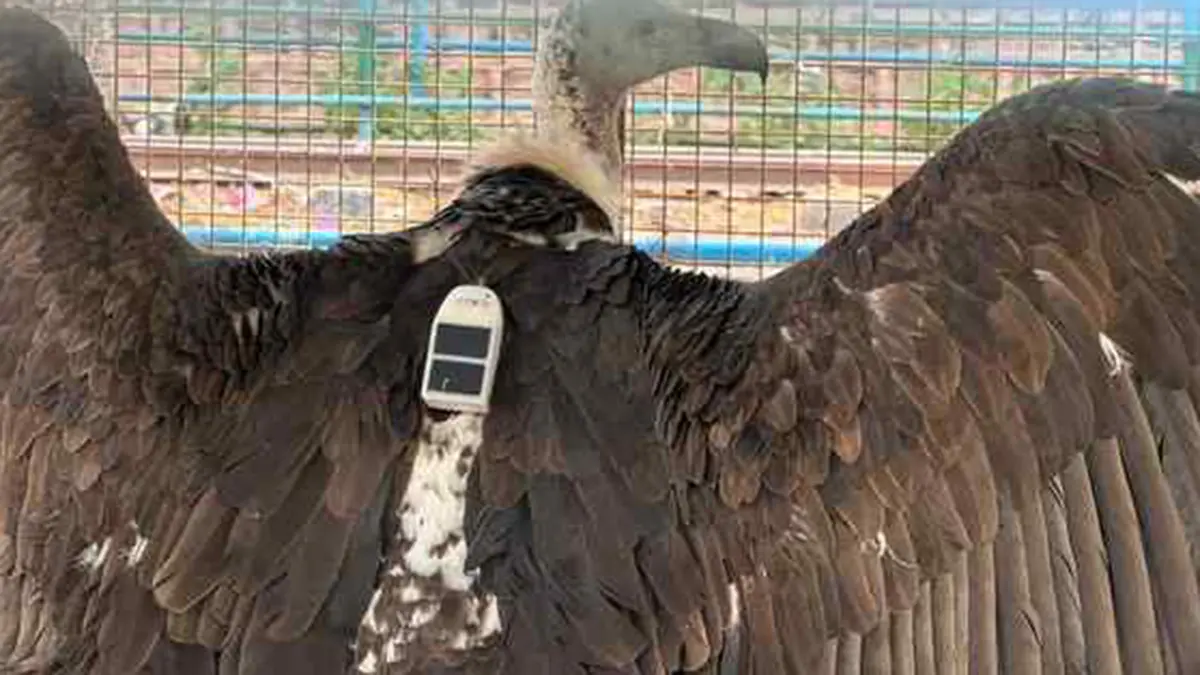
A sub‑adult white‑rumped vulture fitted with a GPS tag was found electrocuted near Ooty on 30 June 2026. The bird had been released in the Mudumalai Tiger Reserve in April after recovering from illness. Its death drew attention to the threat posed by uninsulated power lines to large birds of prey and the challenges of reintroducing captive‑bred vultures into the wild.
Background
White‑rumped vultures once scavenged carcasses across South Asia but their populations crashed by over ninety per cent in the 1990s due to diclofenac poisoning. Conservationists established breeding centres and began releasing captive‑reared birds fitted with radio or GPS transmitters to monitor their movements. The bird involved in the Nilgiris incident was tagged in Maharashtra in 2025, later moved to Karnataka and was released in Tamil Nadu’s Mudumalai landscape. The tags help researchers track survival but do not prevent collisions with infrastructure.
Key concerns
- The vulture likely hit a low‑tension electric line while taking off from the ground, underscoring the need for insulated cables in bird habitats.
- Field staff monitored the tagged bird and found it healthy; the electrocution was unexpected and highlights the unpredictability of release programmes.
- Power companies and forest departments have been urged to install bird diverters and insulate wires near protected areas to reduce avian deaths.
- Despite this setback, radio and GPS telemetry remain essential tools for understanding vulture movements, survival rates and causes of mortality.
- The white‑rumped vulture is critically endangered; continued breeding, safe release and habitat protection are vital to prevent extinction.
Conclusion
The Nilgiris incident is a sobering reminder that conservation programmes must address infrastructure hazards alongside breeding and release. Collaborative action between wildlife managers and power utilities can make landscapes safer for vultures and other large soaring birds.