
Why in news?
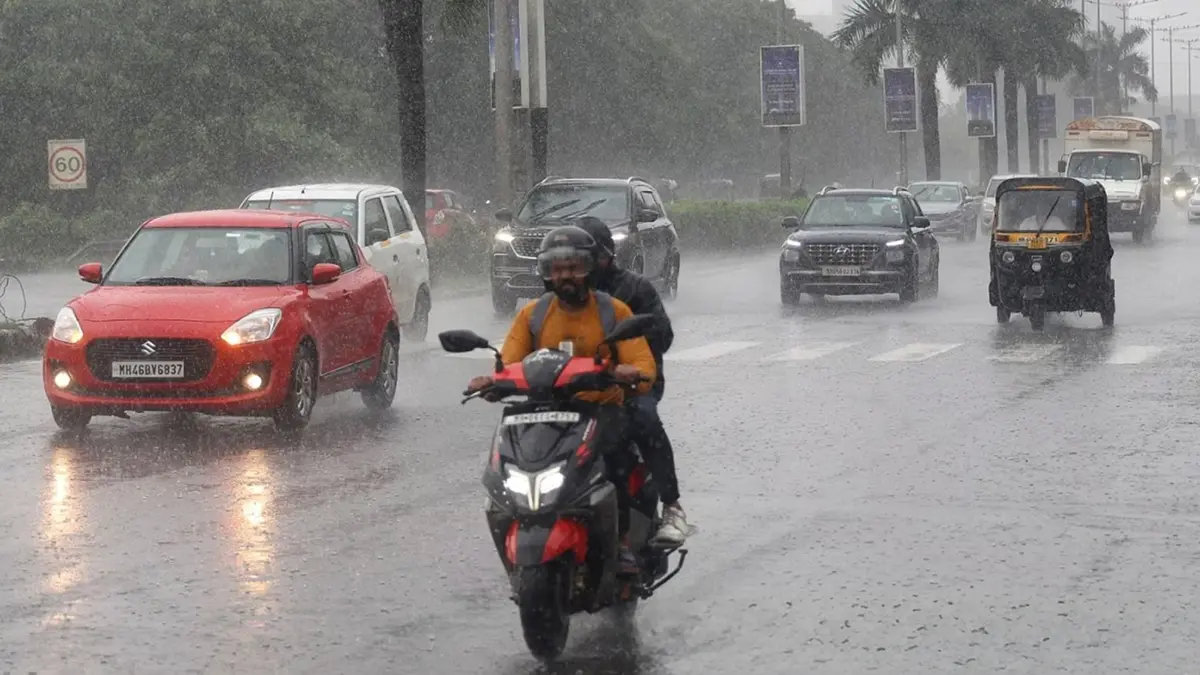
The National Commodity and Derivatives Exchange (NCDEX) announced on 21 May 2026 that it would launch RAINMUMBAI, India’s first exchange‑traded weather derivative. The product allows businesses to hedge against rainfall deviations during the southwest monsoon season when agriculture, logistics and construction are most vulnerable.
Background
Weather derivatives are financial instruments that pay out when a specified weather index crosses a predetermined threshold. Unlike indemnity insurance, which compensates actual losses, a weather derivative uses objective data—such as rainfall, temperature or snowfall—to determine settlement. The concept emerged in the mid‑1990s when energy companies in the United States sought protection against unseasonal temperatures. Since then, farmers, event organisers and utility providers around the world have used weather derivatives to manage climate‑related risks.
Features of RAINMUMBAI
- Index: RAINMUMBAI tracks the cumulative deviation of rainfall from the long‑period average over Mumbai. It uses data from the India Meteorological Department’s stations at Santacruz and Colaba.
- Trading months: Contracts are available for June, July, August and September—the peak monsoon months. Each millimetre of deviation is valued at ₹50.
- Settlement: The contract is cash‑settled. There is no physical delivery; instead, gains or losses are credited based on the deviation recorded at the end of the contract period.
- Market maker: NCDEX has appointed a market‑maker to ensure liquidity and narrow bid‑ask spreads. This feature encourages participation from farmers, corporate treasuries and retail investors.
- Complementary to insurance: The derivative pays out whenever rainfall deviates from the long‑term average, regardless of whether a farmer’s field suffered damage. It thus complements crop insurance by providing immediate cash flow in the event of bad weather.
Importance for India
- Monsoon rains drive India’s agricultural output and influence food prices. Poor or excessive rainfall can disrupt crop yields, logistics and energy demand. A weather derivative allows stakeholders to manage this uncertainty.
- Forecasts for the 2026 monsoon predicted below‑average rainfall, raising concerns about food security and inflation. RAINMUMBAI offers traders, cooperatives and agri‑businesses a way to hedge their exposure.
- Success of the Mumbai pilot could pave the way for similar products linked to rainfall in other regions or to temperature and wind indices. Such instruments help deepen India’s financial markets while protecting rural incomes.
Conclusion
The launch of RAINMUMBAI marks a significant step in India’s efforts to develop climate‑responsive financial tools. By basing payouts on objective rainfall data, the contract offers a transparent hedge against monsoon volatility. As climate variability increases, such derivatives will complement traditional insurance and help make agriculture and related industries more resilient.

