Why in news?
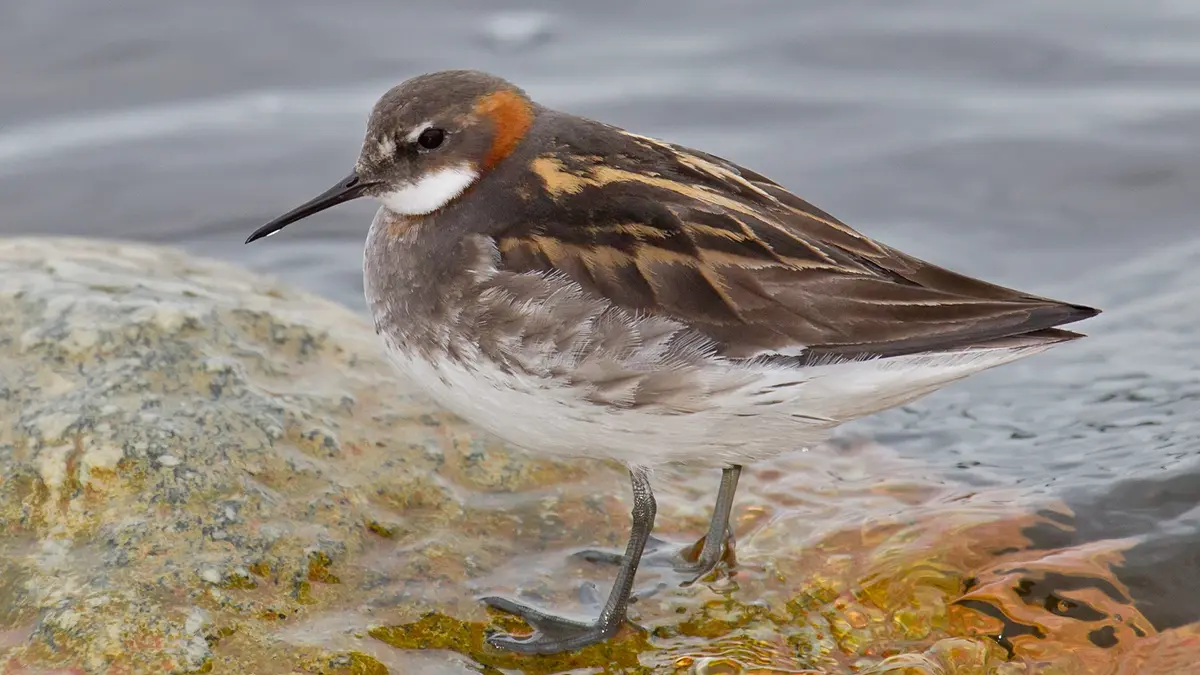
In May 2026 birdwatchers at the Chandu Budhera wetland near Gurugram, Haryana, spotted a red‑necked phalarope. This tiny shorebird rarely stops in inland freshwater habitats during its long migration, making the sighting notable and drawing attention to the importance of protecting urban wetlands.
Background
The red‑necked phalarope (Phalaropus lobatus) is a small Arctic shorebird with a slender, needle‑like bill. Unlike many birds, females are more colourful than males: during the breeding season the female has a striking chestnut neck, grey back and white underparts, while the male is duller. The species breeds in the Arctic tundra of North America and Eurasia. After nesting, the females leave the males to incubate the eggs and rear the chicks. During winter the birds move to open oceans, feeding on plankton and tiny invertebrates.
Unique behaviour and migration
- Reversed roles: Females court males, compete for mates and then depart soon after laying eggs; males incubate and care for the young.
- Feeding technique: Phalaropes spin rapidly on the water, creating whirlpools that bring prey to the surface. Their long legs and lobed toes allow them to swim like ducks.
- Migration: After breeding, they migrate thousands of kilometres to tropical oceans. Sightings in India are sporadic and usually confined to coastal areas; an inland record near Delhi had last been reported in 2022.
Significance of the sighting
Observing a red‑necked phalarope at a small wetland near a major urban centre highlights the value of conserving such habitats. Urban wetlands serve as vital stopover points for migratory birds, provide flood protection, recharge groundwater and offer recreational spaces for residents. Protecting them ensures that rare migrants have safe havens on their journeys.