

Why in news?
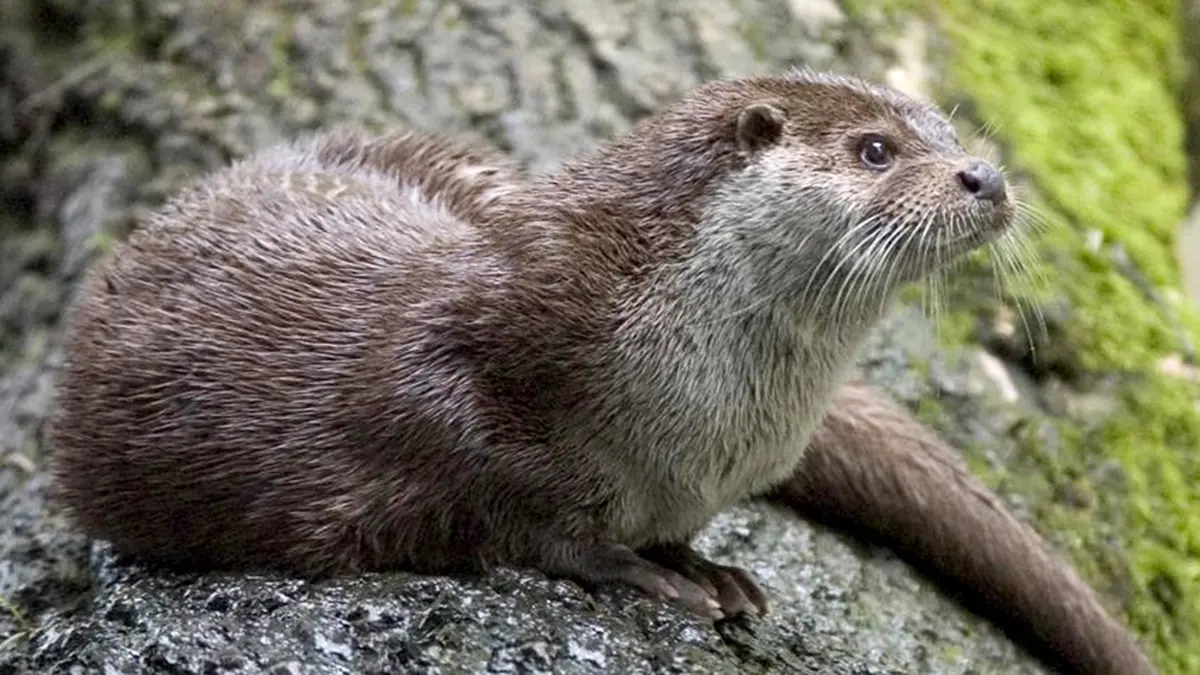
Wildlife researchers have documented a rare sighting of a Eurasian otter in the Sindh River of Ganderbal district, close to the Line of Control. This direct observation follows years of camera‑trap evidence and suggests that the elusive species is making a comeback in the Kashmir valley.
Background
The Eurasian otter (Lutra lutra) is a semi‑aquatic mammal found across Europe, northern Africa and Asia. Adults measure about 1.1 to 1.3 metres from head to tail and weigh 7–9 kilograms. They have dense brown fur and webbed feet that make them well adapted to swimming and diving. Otters feed mainly on fish and need clean rivers and wetlands with abundant prey. The species is classified as “Near Threatened” on the IUCN Red List because of habitat loss, water pollution and persecution.
Significance of the recent sighting
- Revival of populations: Otters vanished from many water bodies in Kashmir due to pollution and overfishing. The sighting in the Sindh River indicates that improved water quality in upstream stretches is enabling a breeding population to re‑establish.
- Transboundary movement: The animal likely used the Kishenganga (Neelum) River corridor to cross from Pakistan‑administered territory into India. This underscores the need for bilateral cooperation to protect shared rivers and wetlands.
- Indicator species: Otters are sensitive to environmental changes. Their presence signals healthy river ecosystems. Conservationists see the otter’s return as a call to clean up polluted lakes such as Wular and to enforce fishing regulations.
Biology and behaviour
- Habitat: Eurasian otters occupy rivers, lakes, marshes and coastal areas. Each individual has a home range spanning 20–30 kilometres of waterway and is mostly solitary.
- Diet: Their diet consists mainly of fish supplemented by frogs, crustaceans and small mammals. They hunt at night and rest in dens called holts during the day.
- Conservation: Protecting otters requires maintaining unpolluted rivers, preventing sand mining and controlling the use of harmful pesticides. Awareness programmes help reduce conflicts with fishermen.
Conclusion
The sighting of a Eurasian otter near the Line of Control is a hopeful sign for Kashmir’s rivers. Continued efforts to clean waterways and manage fisheries will determine whether these charismatic mammals can reclaim their historic range across the valley.
Source: Hindustan Times