

Why in news?
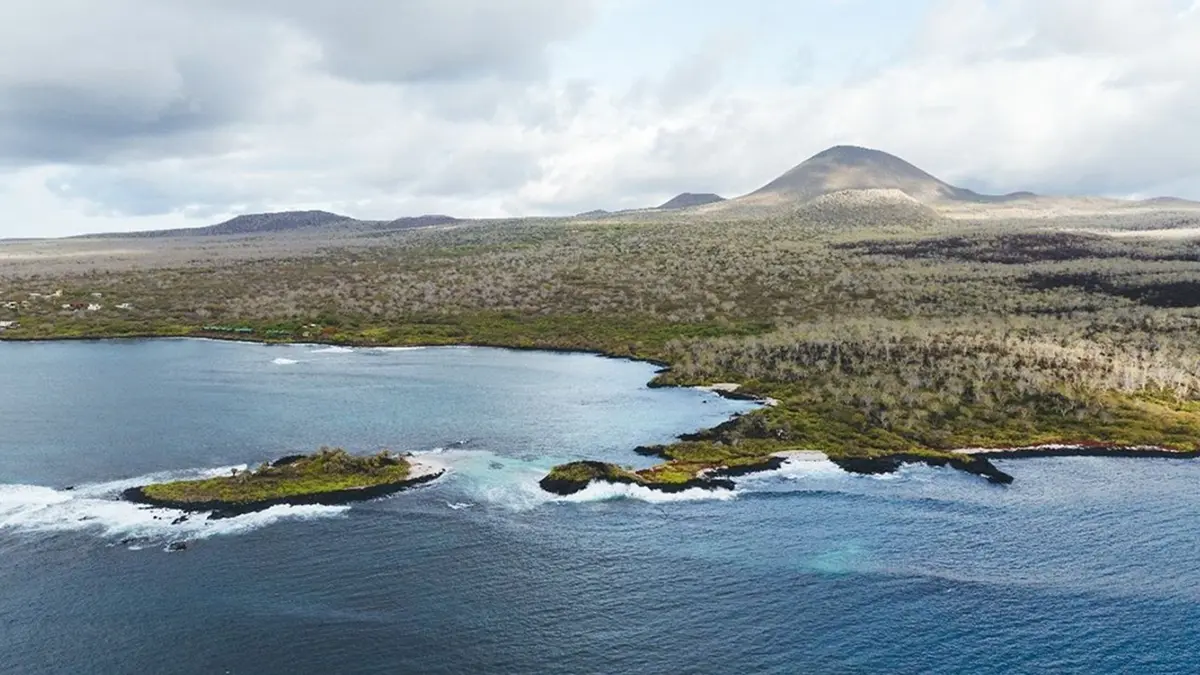
In mid‑February 2026 conservationists reintroduced 158 juvenile giant tortoises to Floreana Island in the Galápagos archipelago. The tortoises were carried across volcanic terrain by park rangers and released into a sanctuary. This marks the first time in nearly 200 years that Floreana has had a self‑sustaining tortoise population.
Background
Floreana is one of the smaller inhabited islands of the Galápagos, located off Ecuador’s Pacific coast. In the early 19th century sailors and whalers hunted the native Floreana giant tortoise (Chelonoidis niger) to extinction. Invasive species such as rats, pigs and goats further degraded the island’s vegetation. Giant tortoises are keystone herbivores and ecosystem engineers: their grazing and digging create clearings that allow other plants to thrive and their droppings disperse seeds.
The reintroduction effort
- Breeding programme: Conservationists from the Galápagos National Park and partner organisations collected eggs from related tortoise species and hatched them in captivity. The juveniles were raised in predator‑free enclosures until they were large enough to survive in the wild.
- Logistical challenge: Rangers transported the tortoises on foot across lava fields and steep slopes to reach their release site. Each juvenile weighed between 6 and 10 kilograms, requiring careful handling.
- Habitat restoration: Invasive mammals have been eradicated from much of Floreana, and native vegetation is recovering. Fencing and monitoring aim to protect the young tortoises from predators and prevent the spread of invasive species.
- Ecosystem benefits: As the tortoises grow and reproduce, they will re‑establish natural grazing patterns and seed dispersal. This is expected to restore the island’s dry forest and shrubland habitats.
Significance
- Restoring ecological function: The return of giant tortoises helps revive ecological processes that were lost when the original species disappeared. Their presence will enhance biodiversity and resilience to climate variability.
- Community involvement: Residents of Floreana support the project, which also involves sustainable tourism and environmental education. Eco‑tourism generated by wildlife recovery provides an economic incentive for conservation.
- Model for rewilding: The success of this programme could inform reintroduction efforts on other islands where tortoises have been extirpated. It demonstrates how species recovery, habitat restoration and invasive species control can work together.
Conclusion
The rewilding of Floreana Island with giant tortoises is a milestone for conservation in the Galápagos. It shows that patient breeding, habitat restoration and community support can bring back species long considered lost.
Source: ETV Bharat