Why in news?
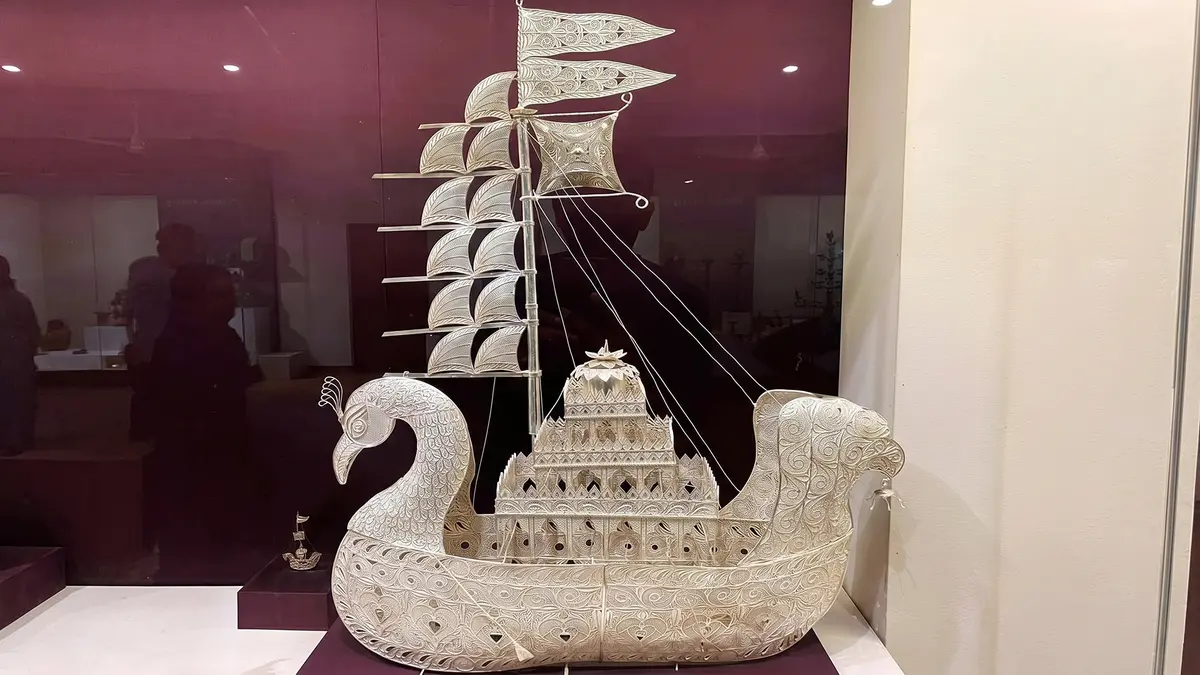
In March 2024 Cuttack’s centuries‑old silver filigree craft, known as Rupa Tarakasi or Chandi Tarakasi, received the Geographical Indication (GI) tag. On 21 May 2026 artisans from the “Silver City” showcased their work at a cultural event, renewing interest in the craft’s heritage and economic potential.
Background
Rupa Tarakasi literally means “silver filigree”. This intricate art form involves twisting very thin silver wires into lace‑like patterns to create jewellery, ornaments and decorative pieces. Historians trace its origins to the mid‑sixteenth century during the rule of the Bhoi dynasty in Odisha. The craft flourished under Mughal patronage when Persian artisans introduced refined filigree techniques. Over time local craftsmen combined these methods with motifs drawn from temple architecture, myths and nature, making the art uniquely Odishan. Cuttack, a bustling commercial hub on the Mahanadi River, became the epicentre of this craft.
Craftsmanship
- Process: Pure silver is melted and drawn into wires thinner than a human hair. Artisans curl and twist these wires into intricate shapes—flowers, vines, geometric patterns—and solder them onto a silver base. It can take two to three weeks to complete a single piece.
- Products: Items range from delicate earrings and necklaces to large idols and replicas of temple wheels. During festivals like Durga Puja and Bali Yatra, massive filigree backdrops decorate pandals and processions.
- Tools and skill: Despite simple tools—tiny hammers, tweezers and blowpipes—the craft demands precision and patience. A small mistake can ruin days of effort.
Recognition and challenges
- GI tag: In March 2024 the Geographical Indications Registry granted Cuttack Silver Filigree a GI tag, recognising its cultural distinctiveness. The tag helps protect the craft from cheap imitations and enhances market value.
- Economic importance: Hundreds of artisan families in Cuttack depend on filigree work for their livelihoods. The GI tag and renewed interest can attract tourists and buyers, but the sector still faces competition from machine‑made jewellery and rising silver prices.
- Preservation efforts: Government and non‑government organisations provide training and support to young artisans. Events and exhibitions highlight the craft’s heritage and encourage innovation without compromising traditional methods.
Conclusion
Rupa Tarakasi is a testament to Odisha’s artistry and cultural resilience. The GI tag and recent showcases have brought overdue recognition to the craft. Sustained patronage, fair prices and skill development are essential to ensure that Cuttack’s filigree artisans continue to weave stories in silver for generations to come.