

Why in news?
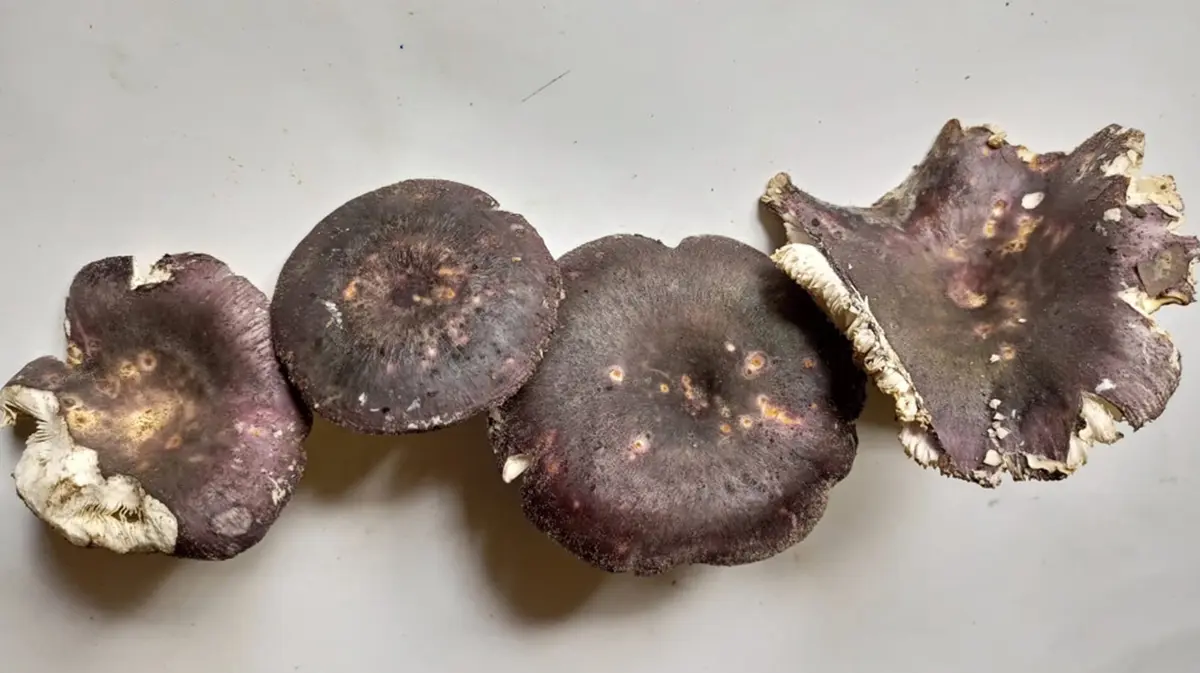
Researchers formally described Russula griseopurpurata on 5 August 2026 in the peer-reviewed journal Phytotaxa. Specimens came from sal forests in Meghalaya and West Bengal.
What the study established
Niranjan Roy, Pinaki Chattopadhyay, Arun Kumar Dutta and Bhaben Tanti authored the taxonomic study. They combined visible traits, microscopic structures and molecular phylogeny. The mushroom has a greyish-to-purple cap that cracks as it matures; its gills can fork near the stalk.
Microscopic examination found distinctive cystidia and nearly spherical spores with partly net-like ornamentation. Deoxyribonucleic acid (DNA) evidence placed it within subsection Cyanoxanthinae of the family Russulaceae.
The name joins the Latin words for grey and purple. That description reflects the mature cap’s dominant colours.
Why the sal association matters
Many Russula fungi form ectomycorrhizal partnerships with trees; their filaments surround roots and improve access to water and mineral nutrients. The plant supplies sugars produced through photosynthesis. This exchange can influence tree growth, soil processes and forest recovery.
The study found the species growing with sal, scientifically called Shorea robusta. Sal dominates extensive forests across northern, central and eastern India.
A fungal species linked with sal may therefore illuminate hidden diversity within an economically and ecologically important forest type.
What a new species claim requires
Colour alone cannot establish a new mushroom species. Age, moisture and local conditions can change a fruiting body’s appearance. Researchers must compare several structures and exclude known relatives. Molecular sequences provide another independent line of evidence.
The published paper includes a phylogenetic tree, photographs and microscopic illustrations. These records allow other specialists to test the proposed classification.
Discovery does not establish edibility
The taxonomic description does not recommend the mushroom for consumption. Similar-looking fungi can differ biologically and chemically. Wild mushrooms should never be eaten solely from photographs or colour descriptions.
Wider implications
Formal naming creates a reference point for future ecological and conservation work. It also helps scientists compare fungal communities across fragmented sal forests. However, one published description cannot determine population size or threat status; those questions need repeated surveys across seasons and locations.
Conclusion
Russula griseopurpurata expands India’s documented fungal diversity through multiple forms of evidence. Its sal association also shows why forest inventories must include organisms below the canopy.