
Why in news?
In June 2026 news reports highlighted the death of Bhuri Bai Saharia, a woman from Madhya Pradesh’s Guna district, who collapsed after waiting for hours in a queue for subsidised urea. The incident drew attention to the hardships faced by the Sahariya community, one of India’s Particularly Vulnerable Tribal Groups (PVTGs).
Background
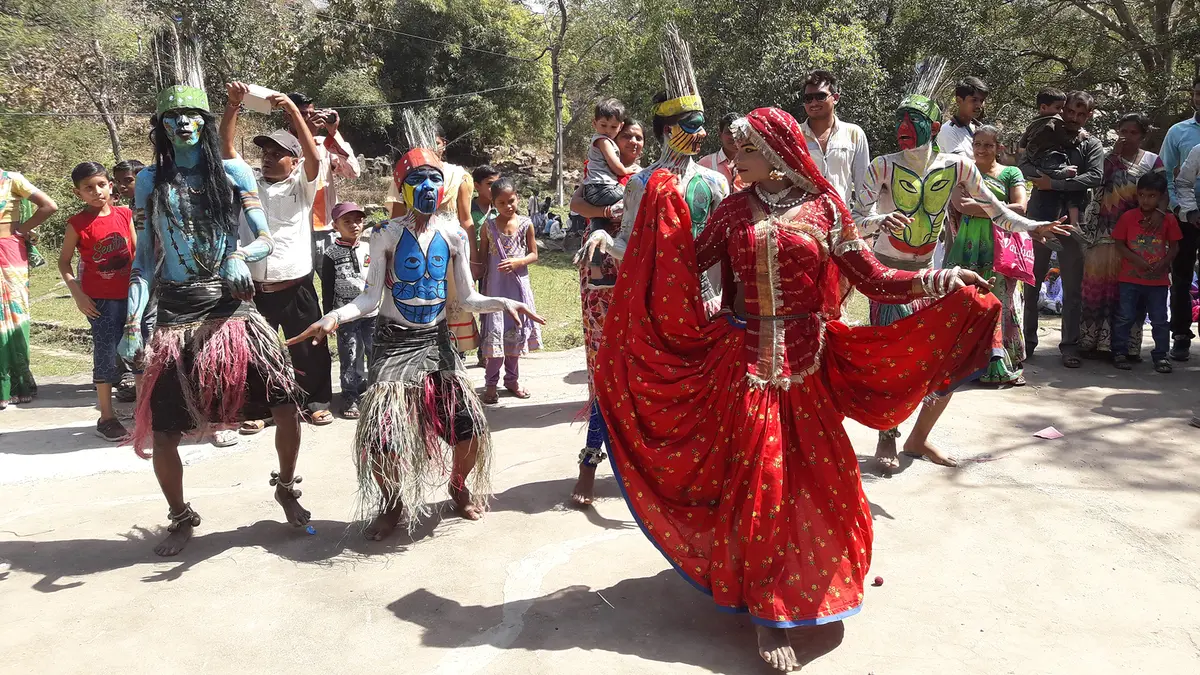
The Sahariyas live mainly in the hilly forests of Madhya Pradesh, Rajasthan and Chhattisgarh. Traditionally they build small stone‑ and mud houses in settlements called Seharana and practise shifting agriculture. They collect firewood, medicinal plants and minor forest produce and are skilled at making catechu from khair trees. The Sahariya Swang is a colourful dance performed during festivals. Anthropologists identify Sahariyas as a PVTG because they have low literacy, limited access to land and a stagnant population. The government lists 75 communities as PVTGs, defined by traits such as pre‑agricultural technology, economic backwardness and dependence on forests.
Current challenges
- Poverty and malnutrition: Studies show high rates of malnutrition and anaemia among Sahariya children. Access to healthcare and education remains poor.
- Land insecurity: Many families do not possess legal titles to their farmland. Displacement by development projects and wildlife sanctuaries has made livelihoods precarious.
- Limited public services: Women often walk long distances to collect water, firewood and rations. In the recent tragedy, villagers queued for fertiliser for hours without shade or rest facilities.
- Cultural erosion: Modern influences and migration threaten traditional practices such as the Swang dance and oral storytelling.
Conclusion
The plight of the Sahariyas underscores the need for targeted welfare programmes. Secure land rights, nutritious food, health services and culturally sensitive education can help this community thrive while preserving its rich heritage.