
Why in news?
Several countries have recently reported outbreaks of Salmonella linked to contaminated foods. These incidents have prompted health authorities to remind the public about food safety. Knowing how Salmonella spreads and how to prevent infection is essential for every household.
Background
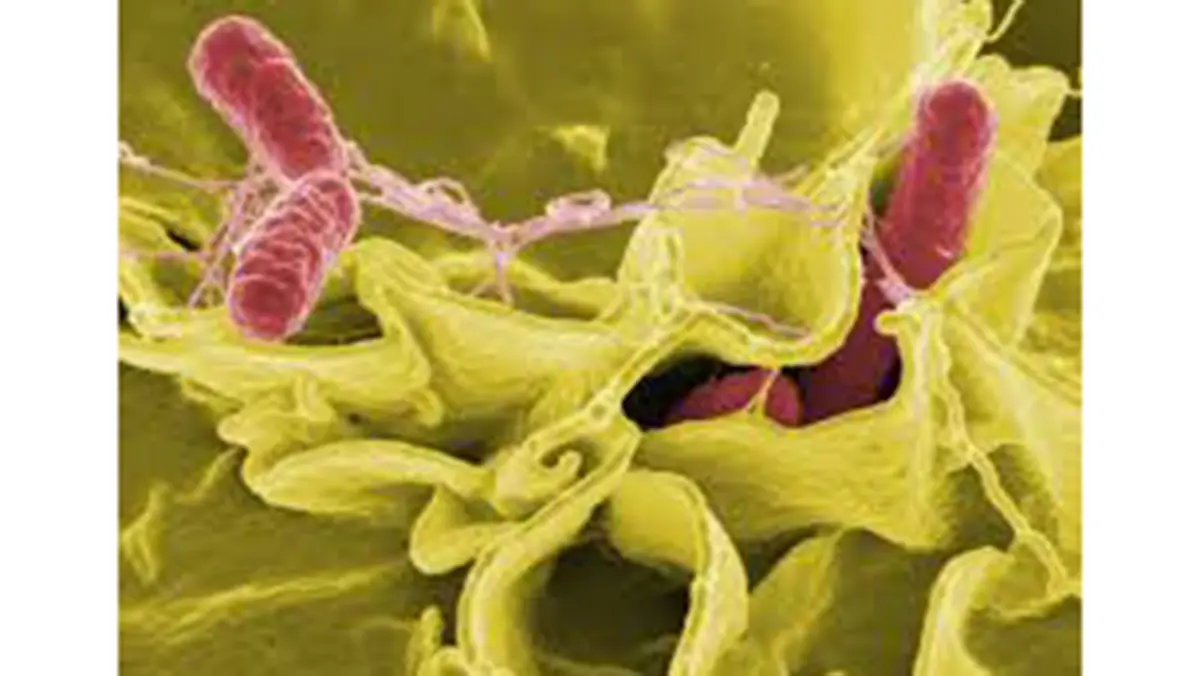
Salmonella is a group of gram‑negative bacteria belonging to the family Enterobacteriaceae. There are more than 2,500 serotypes, although fewer than 100 cause most human illness. Salmonella can survive for weeks in dry environments and months in water. Many serotypes infect a wide range of animals, while a few are host‑specific. When humans ingest the bacteria, they may develop salmonellosis.
Symptoms and risks
- Illness onset: Symptoms usually appear 6–72 hours after consuming contaminated food or water. The disease lasts about 2–7 days.
- Typical symptoms: Fever, stomach cramps, diarrhoea, nausea and sometimes vomiting. Most people recover without treatment, but severe dehydration can occur.
- High‑risk groups: Children under five, older adults, people with weak immune systems and travellers are more vulnerable.
- Severe forms: Certain serotypes like S. Dublin in cattle and S. Choleraesuis in pigs can cause invasive disease requiring medical care.
Transmission and prevention
- Sources: Salmonella spreads through consumption of contaminated eggs, meat, poultry, raw milk and fruits. It can also be transmitted from animals, including reptiles and pets, or from infected people to others via poor hygiene.
- Safe food handling: Cook meat and eggs thoroughly, avoid cross‑contamination in the kitchen, wash hands after handling raw foods and keep raw and cooked items separate.
- Water safety: Drink safe, treated water and wash fruits and vegetables with clean water.
- Treatment: Most cases need oral rehydration. Antibiotics are reserved for severe infections or high‑risk patients under medical guidance.
Conclusion
Salmonella infections are common but preventable. Simple practices like cooking food well, maintaining hygiene and staying informed can greatly reduce risk. Public health agencies continue to monitor outbreaks and educate communities about safe food habits.
Sources: NM