

Why in news?
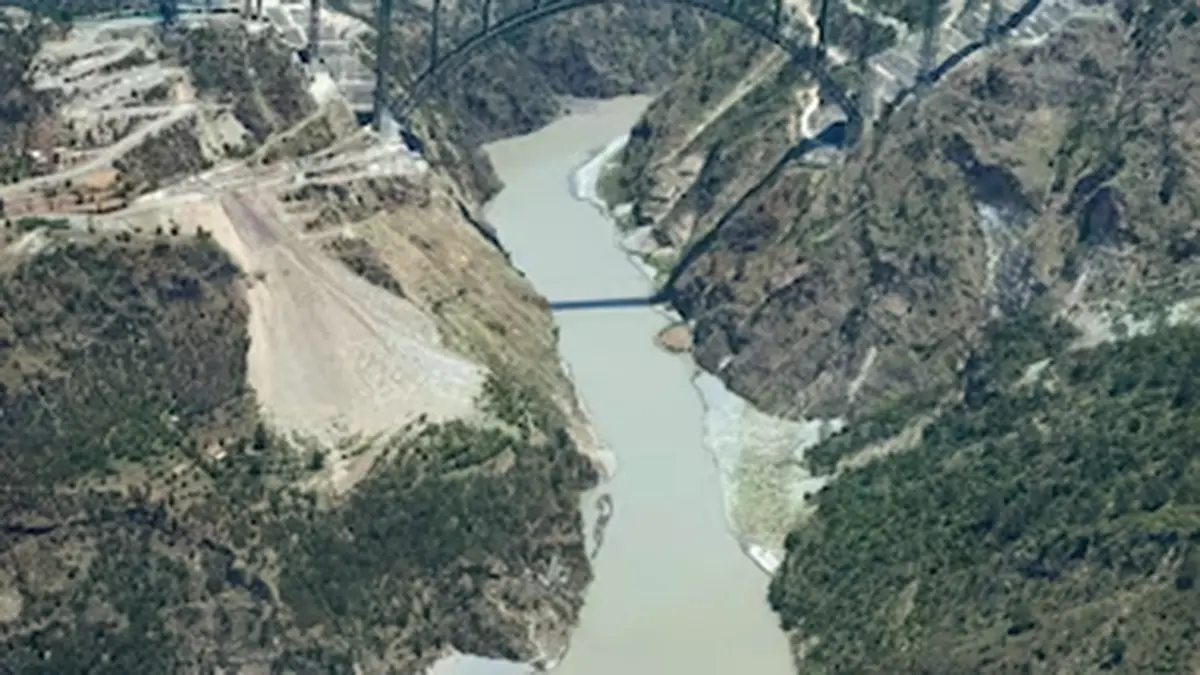
The Government of India has begun work on the Sawalkote Hydroelectric Project in Jammu and Kashmir. It is the first major hydro project on the Indus basin to receive clearance since India suspended the Indus Waters Treaty following a terror attack in 2025.
Background
Sawalkote is a run‑of‑the‑river hydropower project planned on the Chenab River near Ramban district. The National Hydroelectric Power Corporation (NHPC) has been revising the project’s design since the 1980s to address environmental and technical concerns. Once completed, it will be the largest hydroelectric project in the Union Territory and among the biggest in northern India.
Main features
- Capacity: The project is designed to generate around 1,856 MW of power using nine turbines installed in an underground powerhouse.
- Dam and infrastructure: A roller‑compacted concrete gravity dam approximately 192.5 metres high will divert water through tunnels to the turbines. Being a run‑of‑the‑river scheme, it relies on natural river flow rather than a large reservoir.
- Energy output: Sawalkote could produce roughly 8 billion kilowatt‑hours of electricity each year. This could make Jammu and Kashmir a power‑surplus region during winter, when demand is high.
- Flood control: Regulating the Chenab’s flow would help mitigate floods downstream and improve water management for agriculture and domestic use.
- Utilising treaty rights: The project allows India to make full use of its share of the western rivers under the 1960 Indus Waters Treaty, while signalling greater assertiveness following the treaty’s suspension.
Challenges and significance
- Environmental concerns: Large hydro projects can disrupt river ecosystems and displace communities. Careful environmental impact assessments and rehabilitation plans are essential.
- Regional development: Reliable electricity could boost industry, agriculture and tourism in Jammu and Kashmir and create jobs during construction and operation.
Conclusion
The Sawalkote project represents a balance between the need for clean energy and environmental stewardship. Its successful completion could showcase India’s hydroelectric potential while addressing concerns about ecological impacts and local livelihoods.
Source: News18