

Why in news?
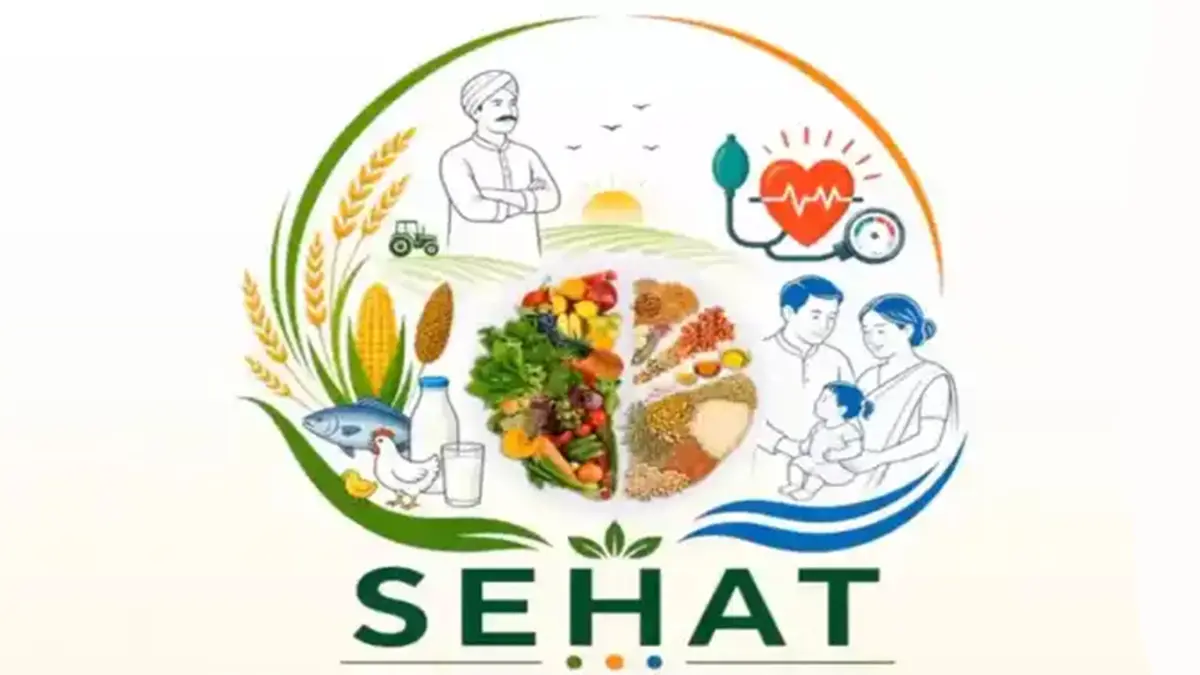
Union Health Minister J.P. Nadda and Union Agriculture Minister Shivraj Singh Chouhan jointly launched the SEHAT Mission (“Science Excellence for Health through Agricultural Transformation”) in Delhi on 11 May 2026. The national mission aims to integrate agricultural research with medical science to build a framework for “Healthy Food, Healthy Farms and a Healthy India.” It is a collaborative effort of the Indian Council of Agricultural Research (ICAR) and the Indian Council of Medical Research (ICMR).
Background
India faces a dual challenge: rising non‑communicable diseases such as diabetes and hypertension and continuing problems of malnutrition and micronutrient deficiencies. Agricultural and health institutions traditionally worked in silos. The SEHAT Mission seeks to close that gap by encouraging scientific coordination. Officials believe that focusing on what farmers grow and what people eat can provide low‑cost, science‑based solutions for disease prevention and better nutrition. The mission reflects a proactive shift in policy—moving from treating disease to preventing it.
Key objectives and focus areas
- Bio‑fortified crops: Promote the cultivation and consumption of crops enriched with nutrients such as zinc, iron and vitamins. Examples include millets (ragi, bajra, kodo millet, kutki) and fortified varieties of rice and wheat.
- Integrated farming systems: Encourage farmers to combine crop cultivation with horticulture, animal husbandry, fisheries and beekeeping. Such systems diversify diets, improve household nutrition and reduce dependence on a single crop.
- One Health approach: Address the health of farmers and agricultural workers by promoting safe farming practices, reducing pesticide exposure and ensuring protective equipment. The mission also recognises that animal health, environmental health and human health are interconnected.
- Nutritional awareness: Promote the principles of “Hitbhuk, Mitbhuk and Ritubhuk” (beneficial, balanced and seasonal eating). Public awareness campaigns will encourage diets that prevent lifestyle diseases and hidden hunger.
- Research and policy integration: ICAR and ICMR will collaborate on long‑term studies examining the links between diets, crop choices and disease patterns. Findings will inform agricultural policy, public nutrition programmes and health guidelines.
- Expected outcomes: Officials anticipate improvements in dietary diversity, reduction in micronutrient deficiencies, prevention of non‑communicable diseases, safer working conditions for farmers and stronger science‑based policy support.