Why in news?
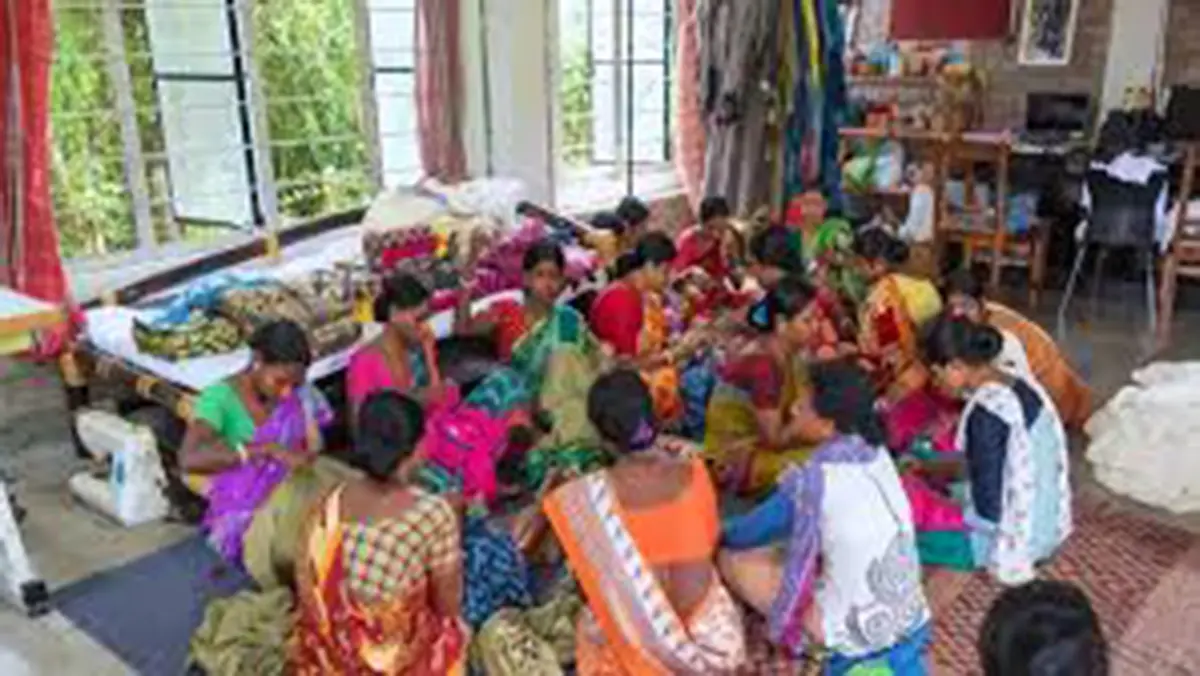
In her Union Budget speech on 1 February 2026, Finance Minister Nirmala Sitharaman announced the creation of SHE‑Marts—community‑owned retail outlets operated by women’s self‑help groups. The scheme, part of the broader Lakhpati Didi programme, aims to move rural women from credit‑linked livelihood activities to ownership of small enterprises.
Background
Self‑help groups (SHGs) have long provided micro‑credit and income opportunities to women in rural India. Through collective savings and loans, SHG members produce handicrafts, foods and other goods. However, limited market access and dependence on intermediaries often restrict earnings. The SHE‑MART initiative seeks to address this gap by creating community‑owned retail outlets at cluster‑level federations.
Key features of SHE‑Marts
- Community ownership: The outlets will be owned and managed by SHG members collectively. Profits will be shared among the women, enabling them to build assets and reinvest in their businesses.
- Retail hubs: Each SHE‑Mart will stock products from multiple villages, including textiles, processed foods, handicrafts and agricultural goods. This reduces reliance on middlemen and allows direct access to customers.
- Integration with digital networks: The government plans to link SHE‑Marts to the Open Network for Digital Commerce (ONDC), enabling online sales and fulfilment. Outlets may also serve as distribution centres for e‑commerce orders.
- Innovative financing: Capital for setting up shops will come from a mix of government grants, low‑interest loans and contributions from SHG federations. Training in inventory management, marketing and digital payments will be provided.
- Link to Lakhpati Didi: The initiative builds on the Lakhpati Didi scheme, which seeks to help at least two crore rural women earn one lakh rupees per year through enterprise. SHE‑Marts offer a pathway from loan‑based activities to sustainable entrepreneurship.
Potential impact
- By removing intermediaries and providing market access, SHE‑Marts can raise incomes for thousands of women and encourage value addition at the local level.
- Community‑owned retail builds social capital and enhances decision‑making power for women within their households and communities.
- Integration with digital platforms could expand customer bases beyond local markets and connect rural producers to nationwide supply chains.
- Success of the scheme will depend on adequate training, quality control and coordination across federations.
Conclusion
The SHE‑MART initiative represents a bold step toward empowering rural women as entrepreneurs rather than mere beneficiaries of micro‑credit. By combining community ownership with modern retail and digital networks, the scheme has the potential to transform local economies and support India’s aspirations for inclusive growth.
Sources: DDNEWS