

Why in news?
Public health authorities have warned about rising cases of shigellosis, a highly contagious bacterial diarrhoeal disease. Understanding its transmission and prevention is important for controlling outbreaks, especially in areas with limited sanitation.
Background
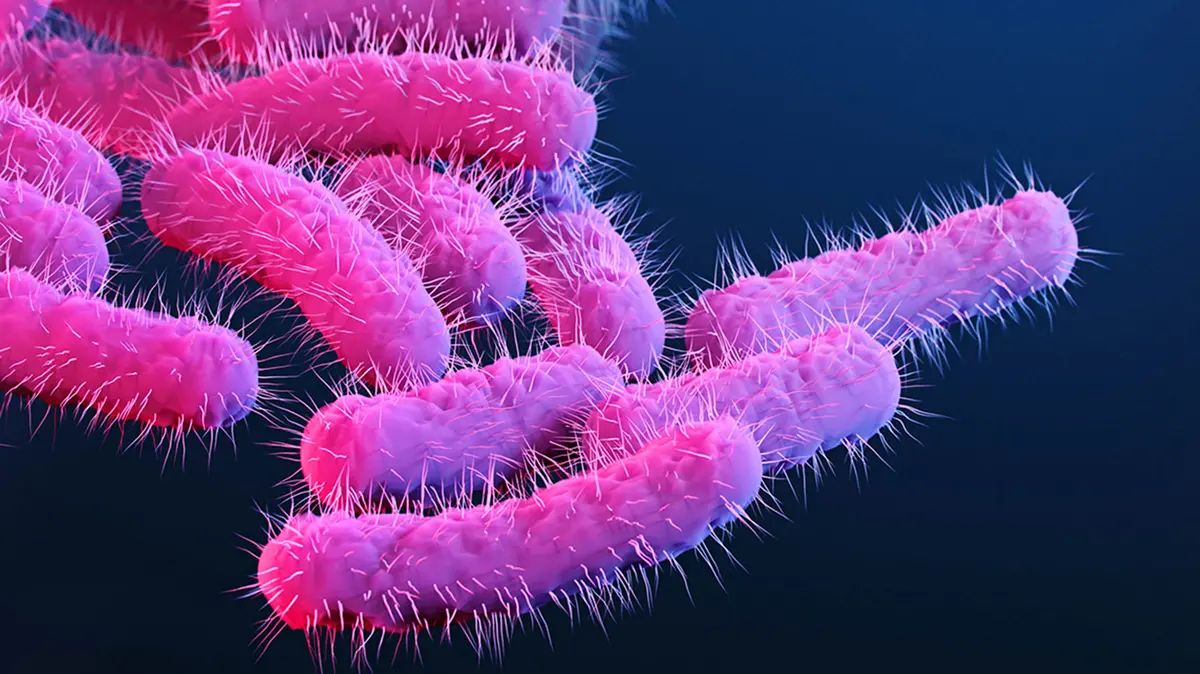
Shigellosis is caused by the Shigella group of bacteria. There are four main species: S. sonnei, S. flexneri, S. boydii and S. dysenteriae. These bacteria infect the intestines and cause diarrhoea, which can be bloody. Symptoms usually appear one to two days after exposure and last about a week. In addition to diarrhoea, patients may experience fever, stomach cramps and a feeling of needing to pass stool even when the bowels are empty.
Transmission and risk factors
- Faecal–oral route: Shigella spreads when tiny amounts of infected stool contaminate hands, food, water or surfaces. Swallowing a small number of bacteria can cause illness.
- High‑risk groups: Children under five, travellers to regions with poor sanitation, men who have sex with men, and people experiencing homelessness are more likely to get shigellosis.
- Close settings: Outbreaks often occur in child care centres, schools and crowded living conditions where hygiene may be difficult to maintain.
Prevention and treatment
- Hand hygiene: Washing hands with soap and water regularly, especially after using the toilet and before handling food, reduces transmission.
- Safe water and food: Avoid drinking untreated water and ensure food is cooked thoroughly. When travelling, follow recommended food and water precautions.
- Medical care: Most infections clear up without treatment, but dehydration must be managed. In severe cases, healthcare providers may prescribe antibiotics. Drug resistance is increasing, so laboratory testing is important before choosing a medicine.
Conclusion
Shigellosis remains a common cause of diarrhoea worldwide. Simple preventive measures such as hand washing, safe food and water, and awareness of high‑risk situations can reduce its spread. Public health surveillance and access to clean sanitation facilities are crucial for preventing outbreaks.