

Why in news?
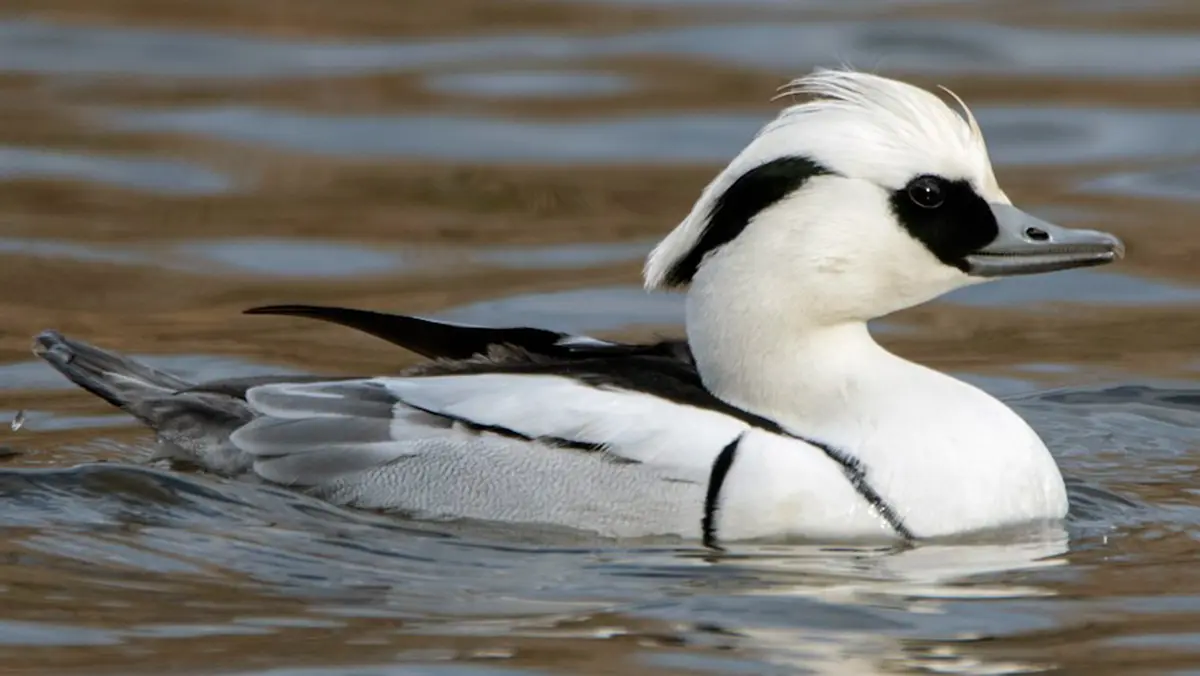
Birdwatchers in Assam’s Kaziranga National Park recorded the arrival of a Smew in February 2026. This small diving duck is rarely seen in India, making the sighting noteworthy for ornithologists and wildlife enthusiasts.
Background
The smew (Mergellus albellus) is the smallest member of the merganser family. It breeds in the northern taiga forests of Europe and Asia and migrates south in winter. Normally it winters around the Baltic and Black Seas, the Caspian region and parts of East Asia. Sightings in India are infrequent and usually occur in wetlands in the north.
Identification and ecology
- Appearance: Males are mostly white with black markings, including a striking “panda” mask on the face. Females and immature birds are grey with a chestnut head and white cheek patches.
- Feeding: Smews are diving ducks that feed on small fish, aquatic insects and crustaceans. Their slender bill has serrated edges to grip slippery prey.
- Habitat: They nest in tree cavities near freshwater lakes and rivers and prefer clear, cold waters for foraging. During winter they move to coastal lagoons and estuaries.
- Conservation status: The International Union for Conservation of Nature (IUCN) lists the smew as “Least Concern”, though populations are declining due to habitat loss and oil pollution.
Importance of the sighting
Kaziranga’s recent smew visitor underscores the park’s ecological richness and its role as a refuge for migratory waterfowl. Such sightings also raise awareness of the need to protect wetland habitats across the migratory flyway.
Conclusion
The smew’s brief stop in Kaziranga is a reminder of the intricate connections between distant ecosystems. Safeguarding wetlands in India and abroad ensures that migratory birds like the smew continue to grace our landscapes during their long journeys.
Source: Times of India