

Why in news?
SpaceX’s Ship 40 reached calmer water near Christmas Island after about 24 days under tow. The Starship upper stage had completed Flight 13 on 24 July 2026. It then made a planned Indian Ocean splashdown and remained unusually intact. The salvage effort showed how reusable-spaceflight tests can depend on remote maritime infrastructure during difficult sea conditions.
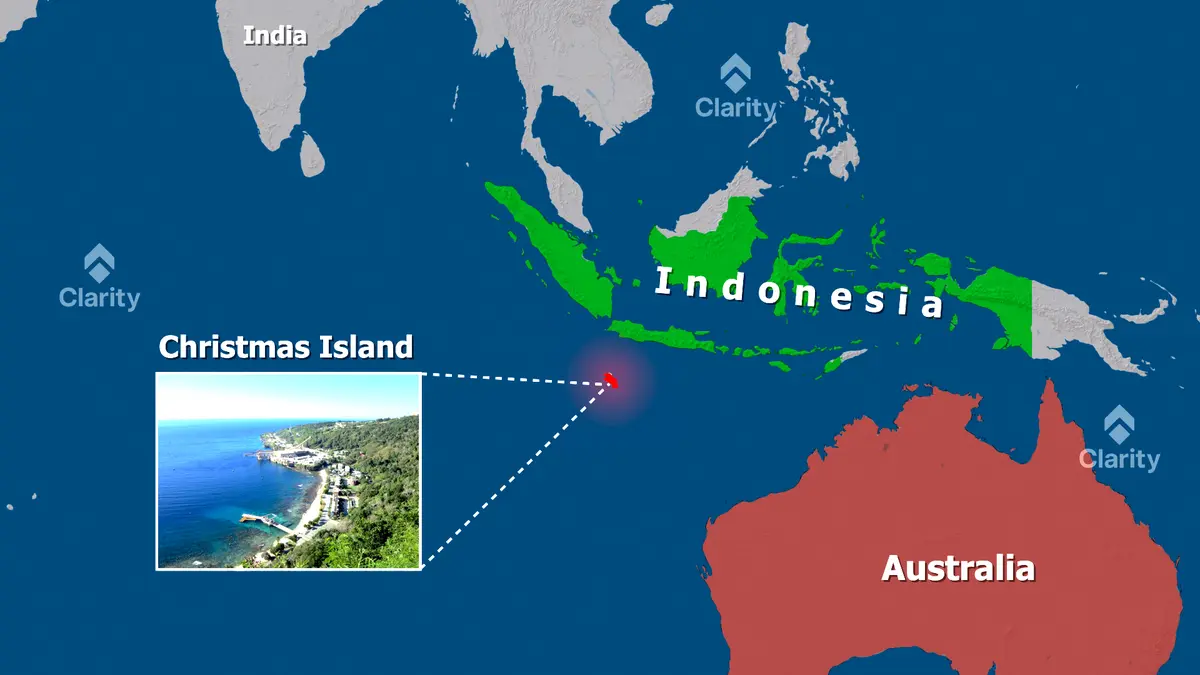
The company’s recovery team moved the 52-metre vehicle towards this remote Australian territory. Engineers planned an inspection before any attempted return towards Starbase in Texas. The event drew attention to a rarely seen recovery problem and Christmas Island’s strategic location. It does not mean the spacecraft landed on the island.
What happened during Flight 13
Starship launched from SpaceX’s Starbase facility in southern Texas. The complete system includes a Super Heavy booster and a Starship upper stage. Flight 13 carried test payloads and followed a long suborbital path. Ship 40 ended the mission in the Indian Ocean. The splashdown was controlled and soft enough for the vehicle to remain afloat.
Earlier test vehicles generally broke apart or sank after water contact. Ship 40’s survival created an unexpected inspection opportunity. Engineers can examine flight-exposed heat-shield tiles, structure and control surfaces. Such evidence can reveal damage that remote telemetry misses. A recovered article may therefore improve later design even when it never flies again.
Why recovery became difficult
Starship is a very large spacecraft, not a normal floating vessel. Ship 40 lay horizontally in open ocean after splashdown. Waves and wind could stress the hull and towing equipment. The recovery team faced worsening sea conditions. SpaceX publicly acknowledged that the effort might fail before the craft reached calmer water.
Towing lasted about 24 days before the vehicle reached waters off Christmas Island. That description indicates a nearby maritime position, not transfer ashore. Engineers were due to conduct further analysis there. Any later move towards Texas would require careful planning. The company had not publicly completed that return when the update appeared.
Where Christmas Island lies
Christmas Island is an Australian external territory in the eastern Indian Ocean. It lies about 490 kilometres south-west of Jakarta and 2,600 kilometres north-west of Perth. Java is the nearest large land area. The Cocos Islands lie much farther south-west. This geography places Christmas Island closer to Indonesia than mainland Australia.
The territory covers about 135 square kilometres. Flying Fish Cove forms its main settlement and port. A narrow reef surrounds much of the coast. The seabed then drops very steeply beyond the reef. Deep water close to shore and a protected cove can make the island useful during unusual maritime operations.
Physical setting and ecology
The island is the summit of a submarine mountain. Limestone and volcanic rock form a central plateau rising to about 360 metres. Sea cliffs surround much of its roughly 80-kilometre coast. Tropical rainforest covers large areas. The wet season normally runs from November through April, when swells can become stronger.
Christmas Island National Park covers about 85 square kilometres, or nearly two-thirds of the territory. It protects rainforest, wetlands, coastal habitat and many endemic species. Tens of millions of red crabs live across the island. Their annual migration to the sea is a major ecological event. The crabs also shape forest structure through grazing and litter movement.
The narrow reef and deep surrounding water support rich marine life. They also make pollution response important. A large spacecraft may carry residual fuel, batteries and damaged components. Any recovery near the coast should prevent debris or contaminants entering sensitive waters. Australian environmental and port authorities retain important local responsibilities.
Why Starship matters to wider space plans
SpaceX is developing Starship as a fully reusable heavy-lift system. Reuse depends on returning both stages safely and preparing them for another flight. Ship 40’s intact splashdown did not demonstrate full reuse. It did provide a flown structure for inspection. Lessons may inform heat protection, landing control and structural design.
The United States National Aeronautics and Space Administration has selected a Starship variant for future lunar landing missions. Those plans require many difficult capabilities. They include orbital flight, refuelling, rendezvous and safe human operations. A successful splashdown supports development, but does not complete those milestones. Schedule claims must remain separate from achieved tests.
Strategic and administrative context
Australia administers Christmas Island through federal territorial arrangements. Its remote position supports maritime awareness across the eastern Indian Ocean. The island also sits near shipping routes connecting Southeast Asia and the wider ocean. However, its port and local services are limited. Any exceptional recovery can place pressure on a small community and environment.
The event also shows how space activity extends beyond launch sites. Test corridors may cross international waters and approach remote territories. Recovery requires maritime law, weather data, communications and environmental planning. Coastal communities need timely information when operations occur nearby. Space innovation therefore depends on ocean governance as well as rockets.
Offshore, not on the island
Ship 40 was guided to a position off Christmas Island. Reports did not describe a landing or launch from the territory. The island provided calmer nearby waters for assessment. Any later transport remained a separate recovery step.
Conclusion
Ship 40’s survival turned a test splashdown into an unusual salvage operation. The 24-day tow offers valuable engineering evidence and a maritime lesson. It also brought global attention to Christmas Island’s location. Accurate reporting must distinguish nearby recovery from arrival on land. That distinction matters for both geography and operational status.
Future work should balance engineering value with environmental care. Christmas Island contains sensitive reefs, rainforest and endemic wildlife. Remote territories should not bear hidden costs from global space testing. Clear coordination and pollution safeguards can reduce those risks. The episode shows that reusable spaceflight has an important ocean dimension.